Kumbh Mela — The Sovereign Gathering of Sanatan Wisdom
The world’s largest gathering of faith, holy river baths, continuous spiritual discourses, and monastic encampments.
The Kumbh Mela is the greatest spiritual pilgrimage on earth. Millions of devotees, householders, yogis, and monastic orders gather along the banks of India’s most sacred rivers—Ganga, Yamuna, Godavari, and Shipra. In Avhigat Akhara’s camp, the Kumbh is a time of intense community prayer, round-the-clock free meals (annakshetra), scriptural debates, initiation into ascetic life, and holy bathing according to precise astrological timings.

Tradition, Origin & Eternal Meaning
The Timeless Origin of the Sacred Pitcher of Nectar
The story of the Kumbh Mela reaches back to the ancient Puranic account of the Churning of the Ocean (Samudra Manthan). According to sacred history, the gods (Devas) and demons (Asuras) joined together to churn the cosmic milk ocean to recover the lost treasures of creation. Out of the churning came many divine gifts, but the ultimate prize was the Kumbha—the golden pitcher carrying Amrit, the nectar of immortality. As the celestial physician Dhanvantari emerged with the pot, a struggle began between both sides. During the twelve days of pursuit in heaven—which equal twelve human solar years—four drops of the sacred nectar fell onto earth at Prayagraj, Haridwar, Ujjain, and Nashik.
Ever since that ancient age, whenever the sun, moon, and planet Jupiter (Brihaspati) align in specific zodiacal positions, these four pilgrimage grounds become filled with celestial energy. The waters of the sacred rivers are believed to turn into nectar during these planetary moments. Sages, yogis from remote Himalayan caves, householders carrying their elderly parents, and seekers from across the globe gather on the sandy riverbanks. They come not for worldly sightseeing, but to wash away accumulated karmic sins, sit at the feet of living saints, and remember the eternal purpose of human birth.
The Living Role of Akhara Encampments in the Mela
While millions of pilgrims visit the bathing ghats for a day, the spiritual heart of the Kumbh beats inside the vast tent cities known as Akhara Shivirs. Avhigat Akhara establishes a large, disciplined hermitage on the river sand dunes weeks before the festival begins. In our camp, the tradition of ancient forest universities (Gurukuls) comes alive. The encampment serves four primary sacred purposes:
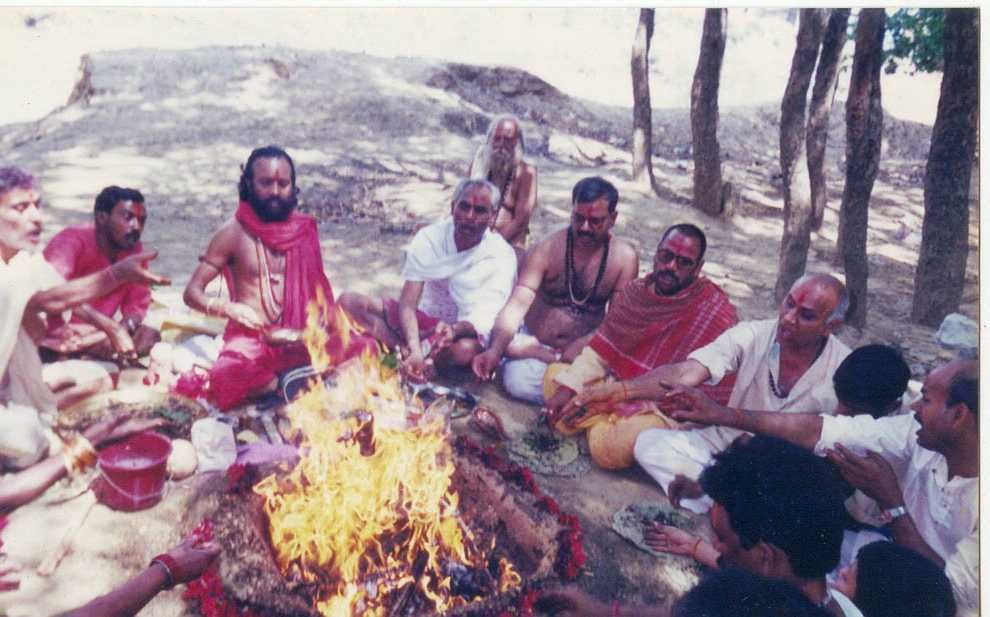
- Unbroken Sacred Fire (Akhand Dhuni): A continuous sacred fire is ignited at the center of the camp with traditional Vedic mantras. Sadhus and visitors offer oblations day and night, praying for world peace, good rainfall, and inner freedom from anger and greed.
- Free Feeding (Annakshetra Seva): In accordance with our monastic vow, no hungry person is ever turned away. Giant cauldrons of hot, nutritious satvik food—fresh rotis, spiced lentils, seasonal vegetable curries, and sweetened rice—are cooked continuously and served with love to tens of thousands of pilgrims each day.
- Satsang and Scriptural Discourses: From early morning until late evening, open pavilions host public lectures on the Bhagavad Gita, the Upanishads, and the lives of great Sanatan saints. Householders listen to practical teachings on how to live an ethical, peaceful life amidst the noise of the modern world.
- Monastic Initiations and Diksha: Sincere seekers who have spent years in preliminary spiritual discipline receive traditional sannyasa or lay devotee diksha at the feet of lineage elders during the auspicious planetary hours.
The Discipline of Kalpvas — Living Simply by the River
For householders, one of the most transformative practices at the Kumbh Mela is Kalpvas—the vow to live on the riverbanks for an entire month under strict monastic discipline. A Kalpvasi sleeps on a simple straw mat, bathes before sunrise in the cold river waters, eats only one simple boiled meal a day, avoids all gossip and worldly business talk, and spends every daylight hour in prayer, listening to discourses, and serving the needy. Many families from remote villages and busy cities return year after year, finding that this single month of austerity cleanses their minds and recharges their spiritual strength for the entire year.
Avhigat Akhara provides special tent shelter, clean drinking water, daily medical care, and regular spiritual guidance to registered Kalpvasis. Under the watchful eye of our senior monks, householder devotees experience how little external material comfort the soul truly needs to feel joyous, peaceful, and close to God.
Preserving Sanctity and Environmental Purity
True devotion cannot exist without caring for the sacred rivers that sustain our lives. Avhigat Akhara actively promotes clean pilgrimage practices across all Kumbh grounds. We strictly forbid single-use plastic inside our camp, use biodegradable leaf plates (pattals) for meal distribution, and organize daily volunteer teams to clear debris from the riverbanks. For our tradition, Mother Ganga and Mother Yamuna are not merely physical rivers; they are living goddesses of purity. To keep their waters clean is our foremost religious duty.
Monastic Discipline & Public Service
Key Elements & Sacred Disciplines
Amrit Snan (Purifying River Bath)
Bathing with faith during astrologically aligned planetary hours to cleanse past negative karmic imprints.
Tapasya (Voluntary Austerity)
Embracing cold mornings, simple meals, and floor bedding to free the mind from sensory attachments.
Annadaan (Universal Feeding)
Feeding hungry pilgrims without asking their name, caste, or background as an offering to God in human form.
Gyana Yajna (Spiritual Wisdom)
Daily study and contemplation of sacred Vedic teachings under the guidance of liberated monastic preceptors.
Discipline, Eligibility & Conduct
Who May Participate?
Devotees wishing to stay in the Akhara Kumbh camp or take the month-long Kalpvas vow must register in advance through our official portal to secure camp bedding and security passes. Modest clothing covering shoulders and knees is mandatory. Pack warm thermal layers, a torch, personal identification, and any prescribed daily medications. Entry into the camp is free of any charge.
Camp Code of Conduct
Alcohol, smoking, non-vegetarian food, gambling, and loud commercial music are strictly prohibited across the entire Kumbh camp. Treat the monastic sadhus and attending volunteers with deep respect. Cooperate with government safety personnel during peak bathing days. Do not leave unattended luggage at the ghats.
How You Can Offer Seva
Chopping fresh vegetables, rolling rotis, tending the cooking pots, and serving hot meals with folded hands to seated pilgrims.
Stationed at the camp gates and bathing pathways to direct elderly pilgrims, carry luggage, and provide drinking water.
Collecting dry leaf plates, ensuring camp sanitation, and keeping the surrounding riverbanks clean and free of plastic.
Always verify official bathing ghat locations and designated traffic entry routes before heading out during royal bathing days (Shahi Snan). Avhigat Akhara operates 24/7 pilgrim helpdesks at the camp entrance to assist lost individuals and coordinate emergency transport.