Avhigat Akhara
Traditional Ascetic Hermitage & Vedic Lineage
Preserving Eternal Sanatan Dharma and Divine Guru Parampara
Membership Contact Us
Kundalini & Yogic Sadhana › Dhyan & Kriya Yog

Atma Jnana: The Direct Realization of the Self

Atma Jnana is the direct, unshakeable realization of the immortal Self (Atman) residing beyond the physical body, sensory organs, and thinking mind. In the Upanishadic legacy of Adi Shankaracharya and Avhigat Akhara, Atma Jnana is not a collection of intellectual concepts or book memorization. It is the awakening of consciousness to its own true nature: birthless, deathless, pure, and ever-free (Sat-Chit-Ananda). Through persistent Self-inquiry (Atma-Vichara) and discerning the Seer from the seen, the seeker dissolves the ancient illusion of individuality and rests in eternal peace.

Level: Beginner
Vedic
Guru Diksha Required
Atma Jnana Sadhana: Self-Knowledge & Inquiry
Sacred Deity Sanctum Darshan Consecrated Murti
Divine Origin & Spiritual Identity

What is Atma Jnana: The Science of Self-Inquiry

Drik-Drishya Viveka: Separating the Seer from the Seen
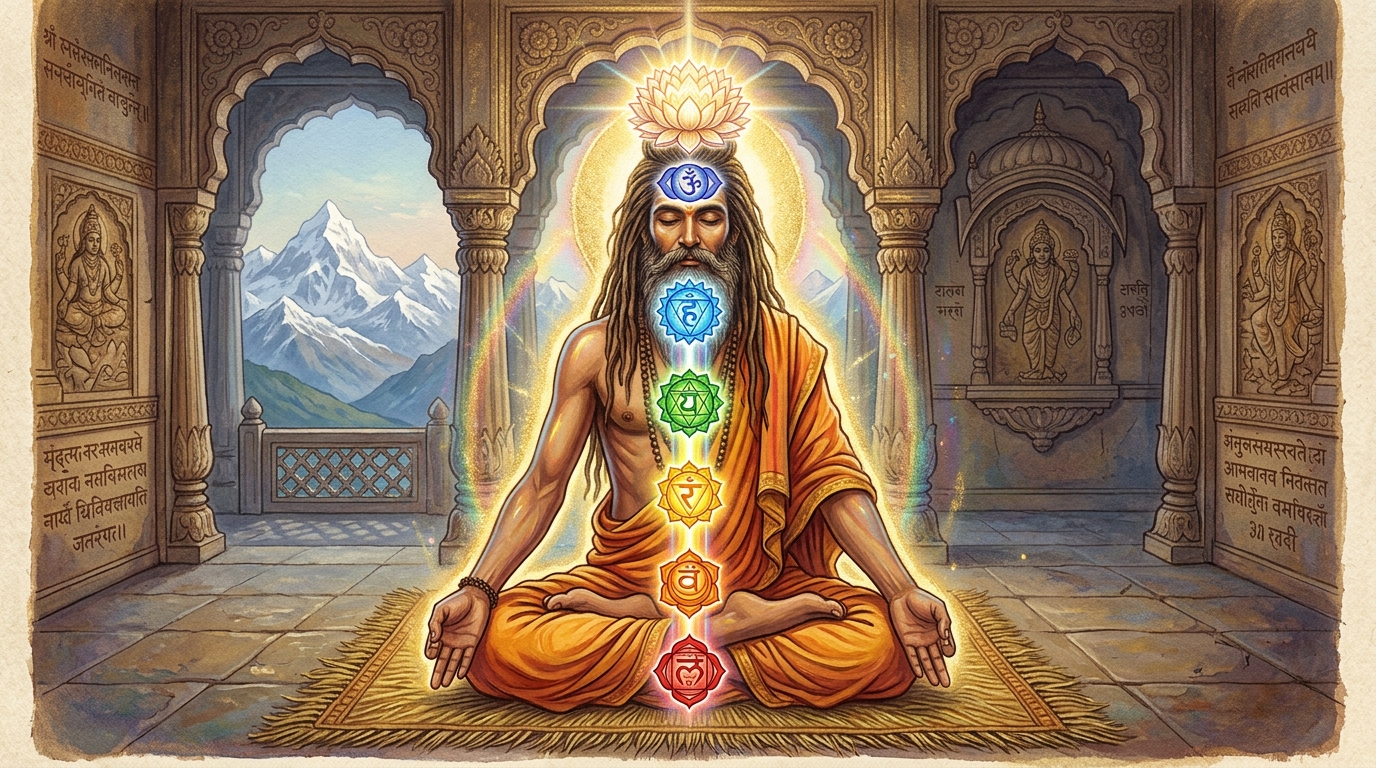
To begin the journey toward Atma Jnana, a seeker must examine the fundamental error that creates all human misery: mistaking the changing vehicle for the eternal driver. From early childhood, society conditions a person to identify with transient physical attributes: I am this six-foot body; I am this name; I am this gender; I am this profession; I am angry; I am afraid. Vedanta asks a simple, clarifying question: Can you observe your physical body? Yes, you can see your hands and feel your heart beating. Therefore, you are the observer, and the body is the observed. Can you observe your emotions and mental thoughts? Yes, you know when you feel sad, happy, or agitated. Therefore, you are the conscious witness (Sakshi), and the mind is merely an object passing across your awareness like clouds across the blue sky. The ancient text Drik-Drishya Viveka establishes the rule: The seer is always distinct from the seen. The eye sees a flower, but the eye is not the flower. The mind perceives sensations, but the mind is not the sensation. Consciousness observes the mind, but consciousness cannot be reduced to a mechanical thought. That unbroken, witnessing awareness is your real Atman. It was never born in a hospital, and it will never die in a crematorium. It is untouched by cancer, poverty, slander, or old age. Realizing this truth directly is the ultimate goal of human birth.
What is Atma Jnana: The Science of Self-Inquiry
Atma Jnana Sadhana: Self-Knowledge & Inquiry
Sanctum Sacred Representation
The Witness Consciousness (Sakshi Bhava)
Neti Neti Dis-identification
Immunity to Worldly Suffering
Non-Dual Oneness (Advaita)
Definition & Spiritual Essence

What is Atma Jnana Sadhana: Self-Knowledge & Inquiry?

Sacred essence, spiritual foundation, and scriptural truth

Authoritative Summary (Direct Essence)

Atma Jnana is the direct, unshakeable realization of the immortal Self (Atman) residing beyond the physical body, sensory organs, and thinking mind. In the Upanishadic legacy of Adi Shankaracharya and Avhigat Akhara, Atma Jnana is not a collection of intellectual concepts or book memorization. It is the awakening of consciousness to its own true nature: birthless, deathless, pure, and ever-free (Sat-Chit-Ananda). Through persistent Self-inquiry (Atma-Vichara) and discerning the Seer from the seen, the seeker dissolves the ancient illusion of individuality and rests in eternal peace.

The practice of Atma Jnana does not require physical contortions, closing the nostrils, or holding your breath until you turn red. It is an inquiry of acute, relaxed mental discernment (Atma-Vichara). The seeker sits in a quiet room, closes their eyes, and poses the core question made famous by Bhagavan Ramana Maharshi: Who am I? When thoughts arise—such as I must finish my office report, or I am worried about money—the seeker does not chase the thoughts into a long chain of worries. Instead, they gently ask: To whom did this thought arise? The answer is: To me. Then the seeker asks: Who is this me? Where is its root? By following the sense of I backwards toward its source in the heart, the mental thoughts begin to thin out and lose their momentum. The loud chatter of the ego subsides like steam evaporating from hot water. What remains in that gap of silence is not a black emptiness or unconscious sleep; it is a radiant, vibrating presence of pure existence (Aham Asmi - I Am). In that holy space, there is no fear, no regret, and no hurry. The seeker tastes the immortal nectar of their own true nature. Returning to daily household duties, the seeker notices a remarkable shift. When people criticize them, the sting is gone because the seeker knows: They are talking to my temporary biological name, but my real Self remains unblemished. When success arrives, there is no arrogance, because the seeker sees that all talents are gifts of the cosmic Self. The sadhak moves through the world with light footsteps, bringing comfort, patience, and clarity to everyone they encounter.
Spiritual Purpose & Inner Evolution

Why is Atma Jnana Sadhana: Self-Knowledge & Inquiry Practiced?

Core spiritual purposes, inner purification, and consciousness evolution

Mental Stillness & Focus

Daily japa and meditative contemplation calm wandering thoughts, fostering sharp inward awareness and emotional balance.

Spiritual Fortitude & Energy Balance

Authentic sacred kavacha and nyasa practices protect subtle vitality from negative inclinations, fear, and distraction.

Cultivation of Sattvic Discernment

Helps dissolve pride, resentment, and restlessness, strengthening humility, discernment, and spiritual surrender.

Inner Realization & Lineage Grace

Not an outward exhibition, but an inward journey toward self-realization sheltered under authentic monastic lineage guidance.

Tattvik Insight & Philosophy

Spiritual Significance & Philosophy

Philosophical essence and the science of internal transformation

“The significance of Atma Jnana is that it provides the only permanent cure for human suffering. All other remedies in the world—wealth, medicines, therapy, technology, and social status—are temporary bandages. A billionaire can buy the most luxurious hospital bed, but cannot buy peaceful sleep if their mind is burning with guilt and anxiety. A king can conquer continents, but remains a terrified slave if he fears physical death. Atma Jnana strikes directly at the root cause of all fear: the illusion of separation and mortality. When the Katha Upanishad proclaims: Arise, awake, and stop not till the goal is reached, it is calling humanity to wake up from the nightmare of mortality into the dawn of Self-realization. In addition, Atma Jnana is the foundation of genuine compassion. As long as you see others as separate competitors, your kindness is limited and conditional. But when you realize through Atma Jnana that the homeless beggar on the street and the stray animal in the alley are your own Self appearing in different costumes, love becomes as natural and involuntary as breathing. You do not help others to earn praise; you help them because you cannot bear to see yourself suffer in another form.”
Avhigat Akhara Monastic Wisdom
Seeker Eligibility & Suitability

Who is This Sadhana For?

Eligibility criteria, seeker temperament, and prerequisite guidance

Sincere Seekers

Individuals seeking daily focus, spiritual discipline, and quiet inward balance without complex rituals.

Householders

Practitioners balancing work, family, and social obligations while following a pure satvik spiritual path.

Disciplined Initiates

Dedicated practitioners who have mastered basic disciplines and wish to undertake formal anusthana under Guru Diksha.

Importance of Lineage Grace & Approval

Tantrik, Mahavidya, and advanced dhyana disciplines should not be initiated whimsically without lineage permission and proper understanding.

Seeker Discretion Notice

Who Should Take Lineage Guidance First?

Lineage Principle: Practice preserves sanctity and protects seekers when guided authentically

PRACTICAL CAUTION: Beware of dry intellectual vanity (Asura Jnana). Merely memorizing Vedantic vocabulary—repeating "I am Brahman" while continuing to be greedy, dishonest, and quick-tempered at home—is spiritual hypocrisy that leads to severe moral blindness. True Atma Jnana must be accompanied by humility, moral purity, and kindness. If contemplating the emptiness of the world causes you to feel nihilistic, depressed, or reckless about daily hygiene and family duty, pause abstract inquiry immediately. Anchor your mind in sweet devotional prayer (Bhakti), physical exercise, and selfless service until your mental state regains healthy balance.
Request Lineage Guidance Consultation Avhigat Akhara upholds the sacred decorum of traditional Diksha and guided practice.
Origins, Tradition & Guru Parampara

Historical Origins & Guru Parampara

Authentic scriptural foundation and unbroken monastic transmission

Traditional Origins

The teaching of Atma Jnana is the very core of the ancient Upanishads, composed by enlightened forest rishis along the sacred Saraswati and Ganga rivers. It was systematically codified by Sage Badarayana in the Brahma Sutras. In the 8th century CE, Adi Shankaracharya traveled throughout India, revitalizing Advaita Vedanta through monumental commentaries on the Prasthanatrayi (Upanishads, Bhagavad Gita, and Brahma Sutras). Later, modern sages like Sri Ramana Maharshi, Nisargadatta Maharaj, and Swami Vivekananda demonstrated that this ancient wisdom remains entirely practical for the modern rational mind. Avhigat Akhara upholds this unbroken Upanishadic legacy.

Scriptural Authority

Mandukya Upanishad (Ayam Atma Brahma), Brihadaranyaka Upanishad (Aham Brahmasmi), and Chandogya Upanishad (Tat Tvam Asi). Sage Ashtavakra declares in the Ashtavakra Gita (1.11): Muktabhimani mukto hi baddhabhimani baddho bhavi (One who considers oneself free is indeed free, and one who considers oneself bound remains bound).

Monastic Lineage Shelter

In Avhigat Akhara, Atma Jnana is taught not as an armchair philosophical debate, but as living experience. Seekers must demonstrate ethical stability, emotional calmness, and selfless devotion to the Guru before the higher Mahavakyas are transmitted. Disciples are guided to test their wisdom in daily ashram duties.
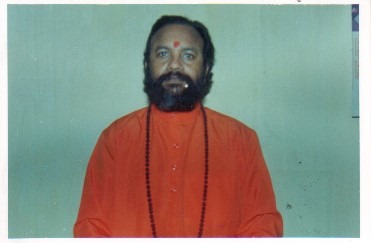
Pujya Guru Ji Maharaj - Avhigat Akhara
Guidance by Pujya Guru Ji Maharaj
“You are looking through dirty spectacles and complaining that the whole world is yellow; take off the spectacles of body-identification, and you will see that everything is pure divine light.”

Guru Ji teaches that you do not have to become the Atman; you already are the Atman right now in this very second. You do not need to construct the sky; you only need to blow away the dark smoke of ignorance. Stop worrying about what people think of you. The world opinion changes like the morning breeze, but your divine Self remains forever unshaken. Rest in your true home of peace and live with royal fearlessness.

Preparation & Sacred Disciplines

Preparation & Sacred Disciplines

Essential guidelines, satvik habits, and sanctum preparations

01

Fourfold Qualifications (Sadhana Chatushtaya)

Recommended

02

Creating Daily Mental Space

Recommended

03

Study of Vedantic Scriptures

Recommended

04

Practicing the Question "Who Am I?"

Recommended

05

Purifying Motives through Seva

Recommended

06

Surrender to the Lineage Guru

Recommended

Practice Progression & Stages

Practice Progression & Stages

Systematic pathway from preliminary understanding to final sanctum offering

01

Stage 1: Shravana (Hearing the Sacred Truth)

Listening with full reverence and open mind to the Upanishadic declaration that your true nature is Brahman.

02

Stage 2: Manana (Intellectual Reflection)

Analyzing the teaching with rigorous logic, clearing all personal doubts until complete intellectual conviction is reached.

03

Stage 3: Nididhyasana (Deep Meditation)

Immersing the mind in unbroken contemplation of the Self until old habits of body-identification dissolve completely.

04

Stage 4: Sakshatkara (Direct Realization)

The flash of direct awakening where you experience: I am the immortal, all-pervading Self, free from all fear forever.

Daily Practice Discipline & Niyama

Daily Practice Discipline & Routine

Sanctum steadfastness: One Time, One Altar, and Inner Purity

Rule
Recommended

Drik-Drishya Discrimination

Rule
Recommended

Ego Transmutation (Ahankara Tyaga)

Rule
Recommended

Truthful Living (Satya Nishta)

Rule
Recommended

Universal Vision (Sama Darshana)

Rule
Recommended

Mental Quietude (Shama)

Rule
Recommended

Inner Contentment (Santosha)

Sacred Cautions & Safety Guidelines

Common Mistakes & Sacred Cautions

Safeguarding seekers against mispronunciation, haste, and unauthorized practices

Using Advaita philosophy to justify immoral, lazy, or irresponsible behavior.

Correct Lineage Guidance: Authentic realization produces saintly compassion and flawless moral integrity.

Arguing aggressively with religious devotees about their rituals and idol worship.

Correct Lineage Guidance: Respect all stages of devotion. See the one Divine Lord receiving worship in every form.

Believing that reading books on Vedanta is the same as attaining enlightenment.

Correct Lineage Guidance: Practice daily silent inquiry until your personal ego actually dissolves in daily life.

Suppressing natural emotions and acting like a cold, unfeeling robot with family members.

Correct Lineage Guidance: Feel natural love and warmth, but remain internally free from clinging ownership.

Abandoning daily meditation too early because you think: I already know who I am.

Correct Lineage Guidance: Maintain unbroken daily meditation until your final breath, just as classical rishis did.

Authentic Seeker Inquiries

Authentic Questions Asked by Seekers

Direct, practical answers grounded in verified tradition and authentic lineage wisdom

What is the exact difference between Atma (Self) and Jiva (Individual Soul)?
The Atman is the pure, unconditioned universal consciousness. When that pure consciousness is reflected in the mirror of the mind and mistakenly identifies with the body, it is called Jiva. When the mirror is recognized as an object, Jiva realizes it was always Atman.
Can an ordinary person with family responsibilities achieve Atma Jnana?
Yes, absolutely. King Janaka achieved supreme Atma Jnana while ruling an empire. Sage Vashistha lived with his wife Arundhati in the forest. You do not need to abandon your home; you only need to abandon the false belief that you are merely a physical body.
What happens to the physical body when someone attains Atma Jnana?
The physical body continues its natural biological life until past karma (Prarabdha) is exhausted. The realized sage experiences physical heat, cold, and hunger, but knows: The body is changing, but I am the eternal witness.
How does Atma Jnana remove the fear of physical death?
Fear of death arises because you believe you are a mortal biological organism that will be extinguished. When you realize you are the eternal consciousness that witnesses births and deaths of millions of bodies, death becomes like taking off an old coat.
Is a living Guru strictly necessary for attaining Atma Jnana?
While scripture contains the theoretical truth, an enlightened Guru acts as the living mirror that shows your true face. The Guru word carries the spiritual power that dispels deep-seated subconscious doubts instantly.
What is the sign of a genuinely enlightened sage?
The signs are absolute humility, absence of anger, sweet non-judgmental love for all beings, freedom from greed, and unbroken peace through worldly storms. A real sage never boasts or advertises their enlightenment.
Frequently Asked Questions

Frequently Asked Questions

Authentic answers to common queries regarding initiation, timing, and practice

The original source inventory supplied the Hindi transliteration AATM GYAN. We preserve the original record name while providing the standard canonical Sanskrit term Atma Jnana for scholarly and indexing precision.

YOUR SACRED NEXT STEP

Ready to Begin Atma Jnana Sadhana: Self-Knowledge & Inquiry?

Follow the authentic Vedic and monastic path under lineage guidance before starting your practice.

Guidance Recommended

Guru Guidance & Diksha Consultation

This sacred practice requires initiation and protective mantra guidance from the authentic monastic lineage before regular practice.

Direct connection with Avhigat Akhara.
Enquiry Open

Atma Jnana Sadhana: Self-Knowledge & Inquiry Guided Training

Learn step-by-step mantra japa, mudras, and nyasa under authentic Acharyas through our guided monastic batches.

Batch curriculum and registration dates announced periodically.
Approved Paraphernalia

Atma Jnana Sadhana: Self-Knowledge & Inquiry Sacred Essentials

View consecrated Jap Malas, consecrated Yantras, Kusha asanas, and authentic sadhana kits approved by Avhigat Akhara.

Consecrated items energized per scriptural traditions.
View Sadhana Essentials
Sacred Sanctum Essentials

Sacred Essentials & Sanctum Items

Consecrated items traditionally used to support meditation, focus, and sanctum discipline

Tradition & Guidance Advisory

Use of Mala, Yantra, Kit or other materials can vary by practice. Follow the guidance given for your Sadhana.

Essential Checklist Before Practice
Vedic Sequence
1
1. Guidance
Guru Guidance
Consult
2
2. Mala
Consecrated Mala
View ↓
3
3. Yantra
Sanctum Yantra
View ↓
4
4. Kit
Sadhana Kit
View ↓
5
5. Asan
Pure Woolen Asan
View ↓
Mala Sacred Tool

Consecrated Haldi / Tulsi Japa Mala

108 knotted beads consecrated according to Vedic rites.

Yantra Sanctum Item

Handcrafted Copper Yantra Plate

Sacred geometric plate for sanctum meditation and focus.

Asan Daily Practice

Pure Woolen Meditation Asana

Traditional insulation mat to preserve spiritual energy.

॥ श्री गुरु चरण सरोज रज ॥

One-to-One Samasya Samadhan

Confidential Guidance

Private guidance from Guru Ji and the Akhara's guides. Choose what you need help with.