Avhigat Akhara
Traditional Ascetic Hermitage & Vedic Lineage
Preserving Eternal Sanatan Dharma and Divine Guru Parampara
Membership Contact Us
Devi & Mahavidya Sadhana › Das Mahavidya

Maa Matangi Sadhana — The Emerald Mother of Speech, Music & Sacred Arts

Maa Matangi Sadhana represents the ninth stream of the sacred Dasa Mahavidyas, celebrated as the Tantric Saraswati who presides over spoken speech (Vaikhari Vak), musical melody, poetic creativity, and esoteric knowledge. Depicted as an emerald-green maiden seated upon a jewel-encrusted throne, holding a ruby veena, a skull-cup, a sword, and a sweet parrot, she represents the divine intelligence that transforms dry intellect into living artistic expression. In the authentic tradition of Avhigat Akhara, Matangi is not merely an outer ritual form; she is the internal awakening of divine inspiration that purifies human speech and connects the voice with the sacred music of the cosmos.

Level: Advanced
Tantrik
Guru Diksha Required
Maa Matangi Sadhana
Sacred Deity Sanctum Darshan Consecrated Murti
Divine Origin & Spiritual Identity

Who is Maa Matangi?

Tantric Saraswati — The Cosmic Melody and Embodiment of Inspired Word
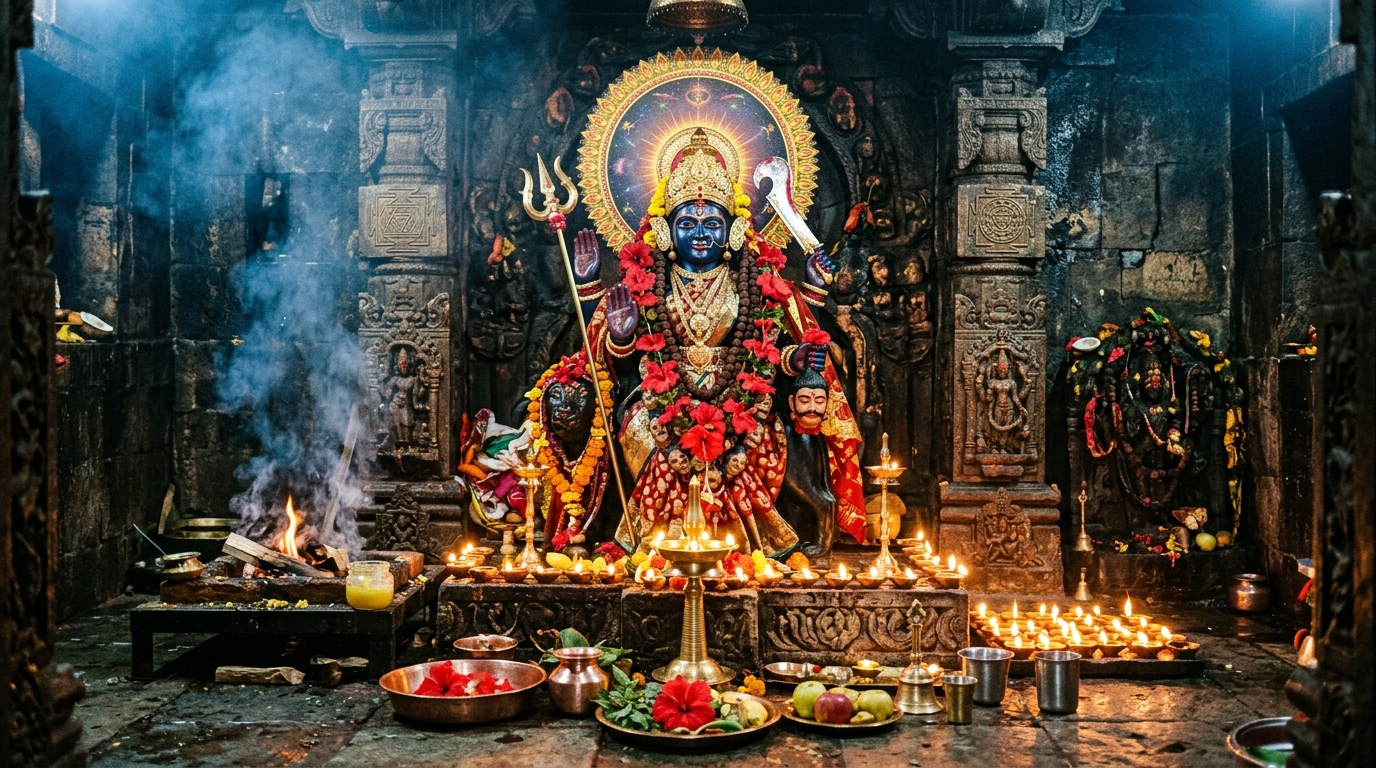
Maa Matangi is the creative expression of the Supreme Goddess in manifest sound and culture. According to Shakta lore, Sage Matanga performed intense penance in the wilderness to attain the direct vision of the Divine Mother. Pleased by his unyielding devotion, the Goddess appeared from his heart as his own divine daughter, taking the name Matangi. In another Agamic allegory, she is called Uchhishta Chandalini, symbolizing that pure divine consciousness remains untainted by outer ritual pollution and transcends all social rigidities. The ruby veena in her hands represents the human spinal column (Brahma Danda) and the subtle acoustic vibrations flowing through the chakras; the parrot symbolizes memory and melodic repetition; and her dark emerald hue reflects the boundless fertility of the earth and the heart center (Anahata Chakra). She grants effortless mastery over language, debate, fine arts, and spiritual intuition.
Who is Maa Matangi?
Maa Matangi Sadhana
Sanctum Sacred Representation
Mastery of Spoken Word (Vaikhari Vak)
Awakening of Artistic Genius
Transcendence of Ritual Rigidity
Heart Center & Emotional Fluidity
Definition & Spiritual Essence

What is Maa Matangi Sadhana?

Sacred essence, spiritual foundation, and scriptural truth

Authoritative Summary (Direct Essence)

Maa Matangi Sadhana represents the ninth stream of the sacred Dasa Mahavidyas, celebrated as the Tantric Saraswati who presides over spoken speech (Vaikhari Vak), musical melody, poetic creativity, and esoteric knowledge. Depicted as an emerald-green maiden seated upon a jewel-encrusted throne, holding a ruby veena, a skull-cup, a sword, and a sweet parrot, she represents the divine intelligence that transforms dry intellect into living artistic expression. In the authentic tradition of Avhigat Akhara, Matangi is not merely an outer ritual form; she is the internal awakening of divine inspiration that purifies human speech and connects the voice with the sacred music of the cosmos.

What is Matangi Sadhana? Matangi Sadhana is a joyful and deeply enriching contemplative discipline aimed at cultivating cultural refinement, intellectual brilliance, and spiritual eloquence. In the authentic methodology of Avhigat Akhara, the student sits on a clean green or red woolen asana facing East, wearing clean emerald green or saffron garments. A consecrated sphatik or sandalwood rosary is employed while meditating upon the acoustic resonance of the Aim bija mantra. The practice combines rhythmic breathing with the vocalization of sacred syllables, aligning the throat and heart chakras with cosmic harmonies. Matangi upasana demands sincere appreciation for beauty, deep respect for music, and absolute truthfulness in speech. Approaching her with deceitful intentions, abusive language, or intellectual arrogance closes the subtle channels of inspiration. When practiced with an open, loving heart, Matangi Sadhana dissolves stuttering, stage fright, and social anxiety, replacing them with a natural, magnetic vocal presence and a sparkling, joyous intellect.
Spiritual Purpose & Inner Evolution

Why is Maa Matangi Sadhana Practiced?

Core spiritual purposes, inner purification, and consciousness evolution

Mental Stillness & Focus

Daily japa and meditative contemplation calm wandering thoughts, fostering sharp inward awareness and emotional balance.

Spiritual Fortitude & Energy Balance

Authentic sacred kavacha and nyasa practices protect subtle vitality from negative inclinations, fear, and distraction.

Cultivation of Sattvic Discernment

Helps dissolve pride, resentment, and restlessness, strengthening humility, discernment, and spiritual surrender.

Inner Realization & Lineage Grace

Not an outward exhibition, but an inward journey toward self-realization sheltered under authentic monastic lineage guidance.

Tattvik Insight & Philosophy

Spiritual Significance & Philosophy

Philosophical essence and the science of internal transformation

“The significance of Matangi upasana lies in her role as the bridge between spiritual asceticism and creative human culture. Many ascetic traditions reject music, poetry, and art as worldly distractions; Matangi teaches that beauty, melody, and fine speech are divine vehicles through which the formless Absolute delights in its own creation. For teachers, advocates, musicians, and public speakers, her grace provides the charm and wisdom to guide society toward truth without anger.”
Avhigat Akhara Monastic Wisdom
Seeker Eligibility & Suitability

Who is This Sadhana For?

Eligibility criteria, seeker temperament, and prerequisite guidance

Sincere Seekers

Individuals seeking daily focus, spiritual discipline, and quiet inward balance without complex rituals.

Householders

Practitioners balancing work, family, and social obligations while following a pure satvik spiritual path.

Disciplined Initiates

Dedicated practitioners who have mastered basic disciplines and wish to undertake formal anusthana under Guru Diksha.

Importance of Lineage Grace & Approval

Tantrik, Mahavidya, and advanced dhyana disciplines should not be initiated whimsically without lineage permission and proper understanding.

Seeker Discretion Notice

Who Should Take Lineage Guidance First?

Lineage Principle: Practice preserves sanctity and protects seekers when guided authentically

While Matangi is deeply benevolent, seekers must never mistake her association with Uchhishta as an excuse for reckless, unhygienic, or immoral behavior. Her esoteric title refers to internal non-attachment, not dirty physical living. Maintain cleanliness of body, clothes, and speech. Avoid vulgar slang, abusive speech, and arrogant boasting during the forty days of practice. If vocal strain or mental restlessness occurs, stop chanting aloud, drink warm water with honey, and practice silent mental japa under your Guru guidance. Spiritual safety in Maa Matangi Sadhana demands absolute honesty with oneself. Never attempt to use the subtle energy of this practice to impress social peers, claim psychic powers, or manipulate family members. Genuine spiritual attainment is recognized by increasing humility, sweetness of voice, and unshakeable inner peace, never by dramatic display. If you ever feel nervous tension, digestive heat, or restless thoughts, reduce the daily count of mantra repetitions, drink cool water sweetened with pure honey, walk peacefully in nature, and seek personal guidance from your preceptor.
Request Lineage Guidance Consultation Avhigat Akhara upholds the sacred decorum of traditional Diksha and guided practice.
Origins, Tradition & Guru Parampara

Historical Origins & Guru Parampara

Authentic scriptural foundation and unbroken monastic transmission

Traditional Origins

The narrative of Matangi origin is detailed in the Matangi Tantra, the Brahmanda Purana (Lalita Mahatmya), and the Rudrayamala Tantra. As Mantrini Devi, she serves as the supreme prime minister and counselor to the royal empress Lalita Tripura Sundari, commanding the legendary Geya Chakra chariot that moves with celestial music. Historical shrines dedicated to Matangi in Varanasi and Madurai celebrate her as the patroness of learning, music, and divine governance. Avhigat Akhara has transmitted her authentic contemplative practices for centuries. The historical continuity of Maa Matangi Sadhana in our Sanatan parampara illustrates how divine wisdom adapts across successive spiritual eras. Classical chronicles recorded in Himalayan hermitages demonstrate that kings, scholars, forest ascetics, and humble village householders alike approached this sacred stream during periods of civil turmoil, epidemic crises, and spiritual drought. The masters of Avhigat Akhara have meticulously transcribed these ancient parchment leaves into modern records, ensuring that every sacred guideline remains uncorrupted by sensational claims or commercial shortcuts. Through centuries of dedicated monastic practice, the inner meaning of this path has been tested and proven as an effective gateway to lasting peace, emotional freedom, and direct spiritual communion.

Scriptural Authority

Primary scriptural references include the Matangi Kalpa, Shakta Pramoda, Mantramahodadhi, and the famous Shyamala Dandakam composed by the legendary poet Kalidasa. Kalidasa famously credited his miraculous transformation from an illiterate shepherd into the greatest classical Sanskrit poet entirely to the grace of Goddess Matangi (Shyamala).

Monastic Lineage Shelter

In the educational traditions of Avhigat Akhara, Matangi Sadhana is imparted to teachers, scholars, and disciples who need to present spiritual truths to the modern public with clarity and charm. The preceptors instruct the student to honor their own vocal chords as the living strings of Matangi veena, ensuring that every word spoken becomes an instrument of peace. In the teaching methodology of Avhigat Akhara, Maa Matangi Sadhana is transmitted strictly as an experiential yoga of awareness. The preceptors instruct the disciple to examine the subtle movements of the mind throughout the waking hours, ensuring that the tranquility gained on the meditation seat is not lost in everyday conversation or workplace tasks. Students are encouraged to maintain a reflective spiritual journal, noting changes in their sleep quality, emotional calmness, and capacity for compassionate patience. If any pride or irritation arises, the student is gently guided to return to the foundational practices of breath alignment and selfless service until the ego dissolves back into serene humility.
Pujya Guru Ji Maharaj - Avhigat Akhara
Guidance by Pujya Guru Ji Maharaj
“When your words are soaked in compassion and truth, Mother Matangi plays the music of liberation through your own vocal cords.”

Our elders remind us that speech is a sacred fire. If you throw trash and venom into your speech, your heart burns with anxiety. But if you offer truth and gentle encouragement, your words become medicinal herbs that heal the wounded hearts of those who hear you. Matangi Sadhana is the art of making your entire life a sweet, melodious song offered to the Divine Mother.

Preparation & Sacred Disciplines

Preparation & Sacred Disciplines

Essential guidelines, satvik habits, and sanctum preparations

01

Altar Sanctification

Recommended

Clean a wooden chowki, spread a fresh green silk cloth, and place the consecrated Matangi Yantra facing East.

02

Chandan Tilak & Fragrance

Recommended

Apply cooling sandalwood paste to your forehead and throat, lighting fragrant champa or rose incense.

03

Ganesha & Saraswati Salutation

Recommended

Bow mentally to Lord Ganesha and Mother Saraswati, requesting clear memory and pure speech.

04

Anahata Breath Alignment

Recommended

Inhale deeply into the chest, visualizing glowing emerald green light filling your heart and throat with peace.

05

Shyamala Form Contemplation

Recommended

Meditate upon the enchanting form of emerald-hued Matangi playing her divine veena, accompanied by her sacred parrot.

Practice Progression & Stages

Practice Progression & Stages

Systematic pathway from preliminary understanding to final sanctum offering

01

Arambha (Vocal Resonance)

The seeker masters the exact phonetic vibration of the mantra, clearing vocal hesitation and nervousness.

02

Pratibha (Awakening of Intuition)

Spontaneous creative ideas, poetic metaphors, and clear solutions to intellectual problems begin to flow naturally.

03

Vak Siddhi (Eloquence of Truth)

The practitioner speech acquires exceptional persuasive grace, resolving disputes and inspiring peace in all who listen.

04

Samarasya (Divine Harmony)

The seeker consciousness rests in continuous aesthetic bliss, perceiving the entire creation as the divine play of the Mother.

Daily Practice Discipline & Niyama

Daily Practice Discipline & Routine

Sanctum steadfastness: One Time, One Altar, and Inner Purity

Rule
Recommended

Green Sacred Attire

Rule
Recommended

Sandalwood or Sphatik Rosary

Rule
Recommended

Reverence for Knowledge & Books

Rule
Recommended

Harmonious Melodious Speech

Rule
Recommended

Daily Artistic Expression

Rule
Recommended

Fresh Fruit Offerings

Rule
Recommended

Protection of Nature & Birds

Rule
Recommended

Universal Knowledge Dedication

Sacred Cautions & Safety Guidelines

Common Mistakes & Sacred Cautions

Safeguarding seekers against mispronunciation, haste, and unauthorized practices

Using abusive speech, sarcasm, or gossip while practicing Matangi sadhana.

Correct Lineage Guidance: Maintain sweet, truthful, and measured speech at all times during the practice period.

Treating books or instruments with disrespect.

Correct Lineage Guidance: Always keep books, notebooks, and musical instruments clean, elevated, and properly covered.

Practicing with arrogance to show off your intellectual superiority.

Correct Lineage Guidance: Cultivate genuine humility, treating your knowledge as a gift from the Divine Mother for public service.

Eating stale, contaminated, or heavily spicy foods.

Correct Lineage Guidance: Consume cooling, nourishing vegetarian foods like fresh milk, sweet fruits, and mild lentils.

Authentic Seeker Inquiries

Authentic Questions Asked by Seekers

Direct, practical answers grounded in verified tradition and authentic lineage wisdom

Can a person with a speech impediment or stuttering practice Matangi Sadhana?
Yes. In the traditional medical-spiritual lineages of Sanatan Dharma, Matangi mantras are specifically prescribed alongside Ayurvedic vocal tonics (like Vacha and Brahmi) to relieve stuttering, stammering, and vocal hoarseness, awakening clear and melodious speech.
How is Matangi different from classical Saraswati?
Classical Saraswati represents the white, serene, Vedic stream of pure intellectual knowledge and ascetic study. Matangi is the colorful, tantric, vibrant Saraswati who brings that knowledge directly into worldly culture, passionate music, dramatic arts, spoken eloquence, and emotional celebration.
Can students practice Matangi Sadhana to improve creative writing skills?
Yes. Writers, screenwriters, poets, and journalists who regularly recite the Matangi Kavach or chant her sacred bija report marked expansion in creative imagination, effortless word retrieval, and freedom from writer block.
Frequently Asked Questions

Frequently Asked Questions

Authentic answers to common queries regarding initiation, timing, and practice

Wednesday (governed by Budha, planet of intellect and speech) or Friday (governed by Shukra, planet of art and beauty) during Shukla Paksha are most auspicious. Matangi Jayanti (Vaishakha Shukla Tritiya) is the supreme date.

YOUR SACRED NEXT STEP

Ready to Begin Maa Matangi Sadhana?

Follow the authentic Vedic and monastic path under lineage guidance before starting your practice.

Guidance Recommended

Guru Guidance & Diksha Consultation

This sacred practice requires initiation and protective mantra guidance from the authentic monastic lineage before regular practice.

Direct connection with Avhigat Akhara.
Enquiry Open

Maa Matangi Sadhana Guided Training

Learn step-by-step mantra japa, mudras, and nyasa under authentic Acharyas through our guided monastic batches.

Batch curriculum and registration dates announced periodically.
Approved Paraphernalia

Maa Matangi Sadhana Sacred Essentials

View consecrated Jap Malas, consecrated Yantras, Kusha asanas, and authentic sadhana kits approved by Avhigat Akhara.

Consecrated items energized per scriptural traditions.
View Sadhana Essentials
Sacred Sanctum Essentials

Sacred Essentials & Sanctum Items

Consecrated items traditionally used to support meditation, focus, and sanctum discipline

Tradition & Guidance Advisory

Use of Mala, Yantra, Kit or other materials can vary by practice. Follow the guidance given for your Sadhana.

Essential Checklist Before Practice
Vedic Sequence
1
1. Guidance
Guru Guidance
Consult
2
2. Mala
Consecrated Mala
View ↓
3
3. Yantra
Sanctum Yantra
View ↓
4
4. Kit
Sadhana Kit
View ↓
5
5. Asan
Pure Woolen Asan
View ↓
Mala Sacred Tool

Consecrated Haldi / Tulsi Japa Mala

108 knotted beads consecrated according to Vedic rites.

Yantra Sanctum Item

Handcrafted Copper Yantra Plate

Sacred geometric plate for sanctum meditation and focus.

Asan Daily Practice

Pure Woolen Meditation Asana

Traditional insulation mat to preserve spiritual energy.

॥ श्री गुरु चरण सरोज रज ॥

One-to-One Samasya Samadhan

Confidential Guidance

Private guidance from Guru Ji and the Akhara's guides. Choose what you need help with.