Avhigat Akhara
Traditional Ascetic Hermitage & Vedic Lineage
Preserving Eternal Sanatan Dharma and Divine Guru Parampara
Membership Contact Us
Devi & Mahavidya Sadhana › Shakti Upasana

Maa Kamakhya Sadhana — Divine Mother of Desire, Creation & Spiritual Rebirth

Maa Kamakhya Sadhana is one of the most venerable and holy Shakta disciplines in the Sanatan tradition, honoring the Divine Mother who presides over the primordial power of desire, cosmic creation, and spiritual rebirth. Enshrined at the sacred Nilachal Hill in Guwahati, Assam, Maa Kamakhya represents the supreme Yoni Peetha among the fifty-one Shakti Peethas of Bharat. In classical Shakta philosophy, the divine mother is not an object of vulgar curiosity; she is the sacred womb of the cosmos through which all life, beauty, and wisdom are born. The practice of Kamakhya upasana purifies the human will, aligns worldly desires with dharma, and dissolves ancient blockages of shame, guilt, and emotional insecurity. In the sacred tradition of Avhigat Akhara, this sadhana is taught with the highest reverence, replacing grotesque superstitions with pure devotional contemplation on the eternal creative power of the Mother.

Level: Beginner
Vedic
Guru Diksha Required
Maa Kamakhya Sadhana
Sacred Deity Sanctum Darshan Consecrated Murti
Divine Origin & Spiritual Identity

The Sacred Yoni Peetha & The Creative Matrix of Kamakhya

Sanctuary of Primordial Shakti, Ambubachi Renewal & Rebirth of Consciousness
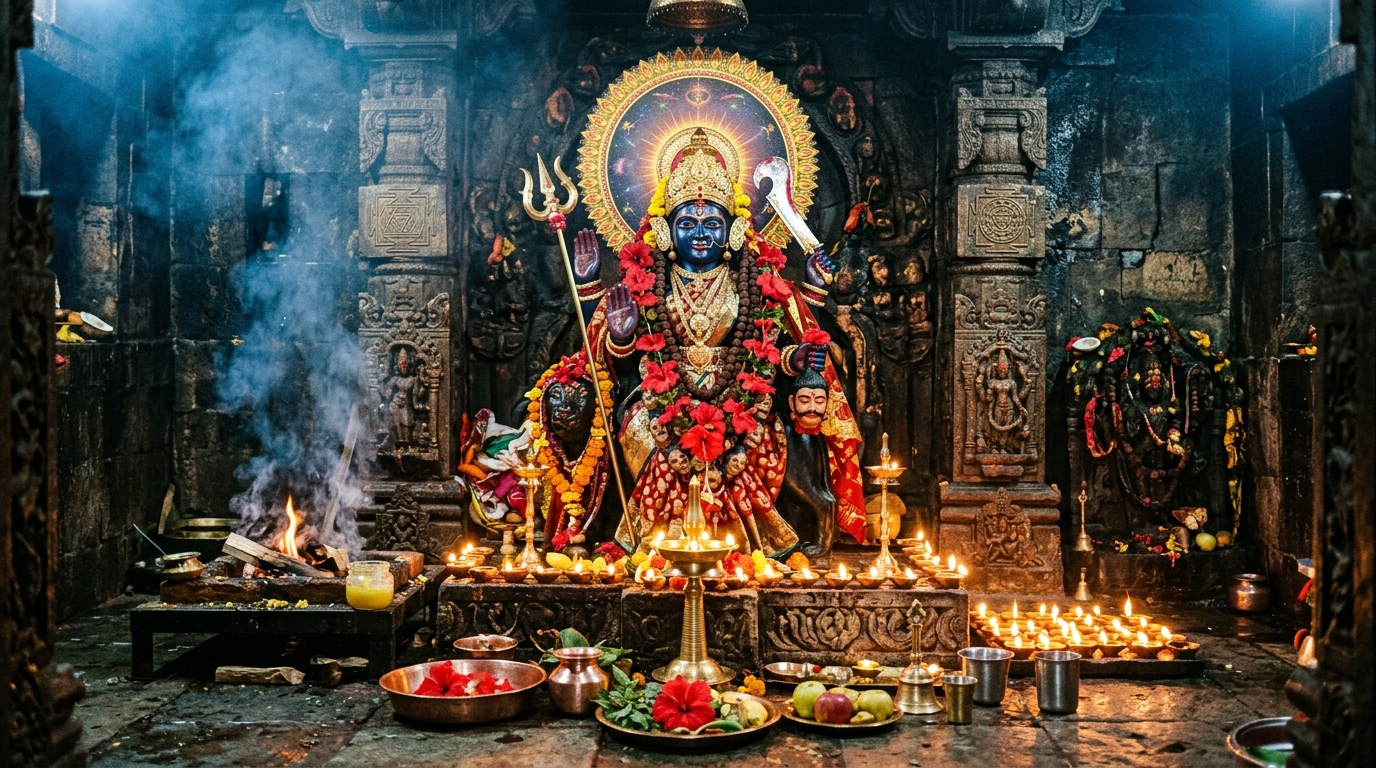
According to the Kalika Purana and Devi Bhagavata, when Lord Shiva carried the sacred body of Sati across the skies in divine grief, Lord Vishnu severed her limbs with the Sudarshana Chakra so that creation could be restored to order. The sacred yoni (the creative source of life) fell upon Nilachal Hill, transforming the mountain into the foremost Siddha Peetha of the earth. The name Kamakhya comes from the Sanskrit kanksha or kama, meaning pure divine desire. Before creation can happen, the Supreme Being experiences the desire to manifest. Maa Kamakhya is that very desire — the primordial life force that moves through every heartbeat, every blooming flower, and every creative thought. In the inner sanctuary of the Kamakhya temple, there is no stone statue with human features; rather, there is a natural cleft in the living rock through which an underground spring of fresh water flows continuously. Seekers touch this sacred water with their foreheads, honoring the holy fountain of all existence. Every year during the monsoon season, the temple celebrates the Ambubachi Mela, signifying the natural resting and regenerative cycle of Mother Earth. This teaches human beings to honor natural rhythms and revere the divine feminine with pure hearts. In Avhigat Akhara, this upasana cleanses the practitioner chitta of lustful distortions, restoring the sacred awareness that every woman on this earth is a living temple of the Divine Mother. Along with this, our elders emphasize that worship of the sacred yoni is the highest spiritual antidote to social misogyny and physical exploitation. By recognizing the maternal source of all human existence as divinely holy, the student mind is cleansed of coarse vulgarity, replaced by an attitude of protective gentleness toward all women, mothers, and infant children.
The Sacred Yoni Peetha & The Creative Matrix of Kamakhya
Maa Kamakhya Sadhana
Sanctum Sacred Representation
Primordial Creative Power
Purification of Desire (Kama Shuddhi)
Universal Reverence for Women
Restoration of Creative Vitality
Definition & Spiritual Essence

What is Maa Kamakhya Sadhana?

Sacred essence, spiritual foundation, and scriptural truth

Authoritative Summary (Direct Essence)

Maa Kamakhya Sadhana is one of the most venerable and holy Shakta disciplines in the Sanatan tradition, honoring the Divine Mother who presides over the primordial power of desire, cosmic creation, and spiritual rebirth. Enshrined at the sacred Nilachal Hill in Guwahati, Assam, Maa Kamakhya represents the supreme Yoni Peetha among the fifty-one Shakti Peethas of Bharat. In classical Shakta philosophy, the divine mother is not an object of vulgar curiosity; she is the sacred womb of the cosmos through which all life, beauty, and wisdom are born. The practice of Kamakhya upasana purifies the human will, aligns worldly desires with dharma, and dissolves ancient blockages of shame, guilt, and emotional insecurity. In the sacred tradition of Avhigat Akhara, this sadhana is taught with the highest reverence, replacing grotesque superstitions with pure devotional contemplation on the eternal creative power of the Mother.

Maa Kamakhya Sadhana is practiced in Avhigat Akhara as an elevating path of devotional surrender and inner refinement. Many people have been scared away from Kamakhya by lurid media stories about animal slaughter and sinister witchcraft. The Acharyas of our lineage state categorically that cruelty to animals and dark spells have no place in authentic Shakta upasana. The real Kamakhya practice is radiant, noble, and deeply uplifting. The seeker sits facing North or East on a clean red woolen mat in a quiet, spotless room. A copper plate bearing a pure vermilion (sindoor) bindu or an authentic Kamakhya Yantra is placed before the seeker, surrounded by fresh red flowers such as hibiscus or roses. Lighting a ghee lamp, the practitioner offers heartfelt prayers to the Mother, acknowledging her as the eternal protector and nourisher of all life. With a consecrated rosary of rudraksha, red sandalwood, or coral, the seeker recites the sacred Kamakhya mantra in a rhythmic, calm cadence. As the recitation deepens, the seeker visualizes the warm, loving light of the Divine Mother flooding every cell of the body, dissolving all subconscious feelings of guilt, weakness, and loneliness. The practitioner feels held in the comforting embrace of the Mother of the Universe. Over forty days of steady devotion, the seeker mind undergoes a deep spiritual renewal. Old bitterness, fear of failure, and emotional dependency vanish. The seeker emerges with a renewed sense of purpose, clear intellectual discrimination, and an aura of joyful self-confidence that naturally inspires everyone around them. In daily family interactions, practitioners notice a remarkable softening of old domestic tensions. Harsh arguments give way to cooperative goodwill, and family members naturally feel safe, respected, and cherished in the presence of someone who maintains this pure matriarchal devotion.
Spiritual Purpose & Inner Evolution

Why is Maa Kamakhya Sadhana Practiced?

Core spiritual purposes, inner purification, and consciousness evolution

Mental Stillness & Focus

Daily japa and meditative contemplation calm wandering thoughts, fostering sharp inward awareness and emotional balance.

Spiritual Fortitude & Energy Balance

Authentic sacred kavacha and nyasa practices protect subtle vitality from negative inclinations, fear, and distraction.

Cultivation of Sattvic Discernment

Helps dissolve pride, resentment, and restlessness, strengthening humility, discernment, and spiritual surrender.

Inner Realization & Lineage Grace

Not an outward exhibition, but an inward journey toward self-realization sheltered under authentic monastic lineage guidance.

Tattvik Insight & Philosophy

Spiritual Significance & Philosophy

Philosophical essence and the science of internal transformation

“The ultimate significance of Maa Kamakhya Sadhana is the reconciliation of physical embodiment with spiritual divinity. Too many ascetic paths teach people to hate their physical bodies and fear natural human desires. The Kamakhya tradition teaches that the body is a holy temple and that desire, when purified by dharma and devotion, is the very fuel of spiritual evolution. Seekers attain freedom from hypocrisy, living authentic, healthy, and spiritually vibrant lives. In addition, the practice restores creative courage to authors, poets, sculptors, and entrepreneurs who have lost their inspiration due to mental burnout or commercial anxiety. By connecting their daily work to the cosmic stream of maternal creativity, they produce works of beauty and usefulness that uplift the community and bring honorable success.”
Avhigat Akhara Monastic Wisdom
Seeker Eligibility & Suitability

Who is This Sadhana For?

Eligibility criteria, seeker temperament, and prerequisite guidance

Sincere Seekers

Individuals seeking daily focus, spiritual discipline, and quiet inward balance without complex rituals.

Householders

Practitioners balancing work, family, and social obligations while following a pure satvik spiritual path.

Disciplined Initiates

Dedicated practitioners who have mastered basic disciplines and wish to undertake formal anusthana under Guru Diksha.

Importance of Lineage Grace & Approval

Tantrik, Mahavidya, and advanced dhyana disciplines should not be initiated whimsically without lineage permission and proper understanding.

Seeker Discretion Notice

Who Should Take Lineage Guidance First?

Lineage Principle: Practice preserves sanctity and protects seekers when guided authentically

WARNING: Do not participate in unauthorized animal sacrifices or secret rituals conducted by predatory occultists promising instant wealth or political dominance through Kamakhya. Such unethical acts generate grave karmic debts, severe mental torment, and social ruin. In Avhigat Akhara, Kamakhya worship uses only sweet milk, red flowers, pure honey, clean water, and unblemished coconuts. Seekers should also beware of deceptive online sellers marketing fake red cloths or soil claimed to be from the Kamakhya temple. True blessing comes from your own devotional sincerity and clean living, not from purchased magical charms. If you ever feel emotional agitation during japa, bow down to Mother Earth, drink fresh water, and chant the name of Durga.
Request Lineage Guidance Consultation Avhigat Akhara upholds the sacred decorum of traditional Diksha and guided practice.
Origins, Tradition & Guru Parampara

Historical Origins & Guru Parampara

Authentic scriptural foundation and unbroken monastic transmission

Traditional Origins

The worship of Kamakhya is deeply rooted in the ancient tribal traditions of Assam, later codified into classical Sanskrit scripture through the Kalika Purana, the Yogini Tantra, and the Mahabharata. Historically, the Nilachal shrine was rebuilt by King Naranarayana and Chilarai in 1565 CE after being damaged during invasions. Great rishis, including Vashistha, Matsyendranath, and Adi Shankaracharya, are recorded as having meditated upon this holy hill. Avhigat Akhara has maintained continuous pilgrimage and contemplative connections with Kamakhya for centuries. Historical travelogues of early sadhus record that pilgrims from all parts of India, Nepal, and Tibet journeyed on foot to Nilachal Hill, drawn by the sacred purity of the Mother unmanifest spring, which was revered as an open portal of cosmic life.

Scriptural Authority

Documented in Kalika Purana (Chapters 61-68 on Kamakhya Yoni Peetha), Yogini Tantra, Devi Bhagavata Purana (Skandha 7 on Shakti Peethas), and the Hevajra Tantra. These sacred texts uniformly praise Kamakhya as the supreme wish-fulfilling matrix of divine motherly grace.

Monastic Lineage Shelter

Preserved within Avhigat Akhara as a premier public Shakta record. The lineage insists that every initiate must approach Kamakhya with the pure heart of a child approaching its mother. Any practitioner who displays disrespect toward women is immediately barred from participating in these sacred practices.
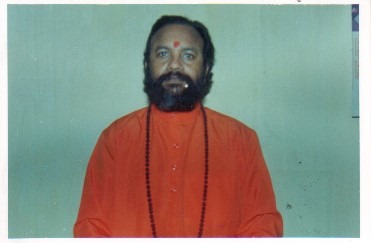
Pujya Guru Ji Maharaj - Avhigat Akhara
Guidance by Pujya Guru Ji Maharaj
“When you look at every woman in this world as your own mother or sister, you will not have to search for Kamakhya in distant hills. She will smile in your own heart.”

The elders teach that the Divine Mother cannot be bought with gold, silver, or blood. She asks only for an honest heart, a humble spirit, and a life dedicated to doing good. Offer your worries to her, and live as her fearless child.

Preparation & Sacred Disciplines

Preparation & Sacred Disciplines

Essential guidelines, satvik habits, and sanctum preparations

01

Purifying Bath

Recommended

Bathe with clean water, invoking the sacred rivers Ganga, Yamuna, and Brahmaputra into your bath.

02

Setting the Red Cloth

Recommended

Cover your wooden altar platform with clean, fresh red silk or cotton cloth.

03

Offering the Red Hibiscus

Recommended

Place a fresh red hibiscus or rose at the center of the altar, symbolizing the creative womb of life.

04

Lighting the Ghee Diya

Recommended

Light a steady brass lamp filled with pure cow ghee, praying for the illumination of your intellect.

05

Child-like Surrender

Recommended

Sit quietly, close your eyes, and place your hand on your heart, speaking to the Mother in your mother tongue.

Practice Progression & Stages

Practice Progression & Stages

Systematic pathway from preliminary understanding to final sanctum offering

01

Kshama Prarthana (Clearing Guilt)

Subconscious feelings of shame, failure, and self-reproach dissolve under the warm compassion of the Mother.

02

Sankalpa Shuddhi (Noble Desire)

Selfish, frantic cravings give way to calm, constructive desires that bring joy and prosperity to your family.

03

Tejo Vriddhi (Vital Radiance)

Physical vitality, digestion, and facial complexion improve dramatically as creative prana flows freely.

04

Matru Kripa (Divine Assurance)

The seeker experiences an unshakable inner knowing that the Divine Mother is personally guiding every step of life.

Daily Practice Discipline & Niyama

Daily Practice Discipline & Routine

Sanctum steadfastness: One Time, One Altar, and Inner Purity

Rule
Recommended

Unfailing Respect for Women

Rule
Recommended

Rejection of Cruelty

Rule
Recommended

Pure Sattvic Nutrition

Rule
Recommended

Emotional Authenticity

Rule
Recommended

Morning Solar Prostration

Rule
Recommended

Protection of the Altar

Rule
Recommended

Silent Gratitude

Rule
Recommended

Charitable Giving

Sacred Cautions & Safety Guidelines

Common Mistakes & Sacred Cautions

Safeguarding seekers against mispronunciation, haste, and unauthorized practices

Visiting fake occultists who promise magical riches through Kamakhya.

Correct Lineage Guidance: Rely solely on pure devotional worship, honest labor, and the righteous laws of karma.

Showing disrespect or anger toward women at home while practicing.

Correct Lineage Guidance: Remember that all Kamakhya upasana is futile if you cause tears in the eyes of a woman.

Participating in animal sacrifices at commercial shrines.

Correct Lineage Guidance: Offer only flowers, fruit, milk, and sweet devotion; the Mother seeks love, not blood.

Chanting fiercely to harm a business competitor or enemy.

Correct Lineage Guidance: Use your sadhana to cultivate forgiveness and inner peace; curses destroy the caller first.

Authentic Seeker Inquiries

Authentic Questions Asked by Seekers

Direct, practical answers grounded in verified tradition and authentic lineage wisdom

Why is there no statue in the inner sanctum of Kamakhya?
Because Maa Kamakhya represents the formless, unmanifest creative matrix of nature. The sacred rock and spring symbolize the living, eternal source of all physical life.
What is the significance of the Ambubachi festival?
Ambubachi honors the natural biological cycle of Mother Earth. It teaches society to revere women natural fertility cycles as holy rather than dirty or taboo.
Can householder women perform Maa Kamakhya Sadhana?
Absolutely. Kamakhya is the Divine Mother of all women. Women who practice her upasana receive immense emotional strength, health, and family happiness.
Do I need to travel to Assam to practice this sadhana?
While visiting Nilachal Hill is deeply auspicious, the Divine Mother lives within your own heart. A pure altar in your home is fully effective for daily practice.
Frequently Asked Questions

Frequently Asked Questions

Authentic answers to common queries regarding initiation, timing, and practice

Any Tuesday, Friday, or during the auspicious nine nights of Navaratri or the Ambubachi period.

YOUR SACRED NEXT STEP

Ready to Begin Maa Kamakhya Sadhana?

Follow the authentic Vedic and monastic path under lineage guidance before starting your practice.

Guidance Recommended

Guru Guidance & Diksha Consultation

This sacred practice requires initiation and protective mantra guidance from the authentic monastic lineage before regular practice.

Direct connection with Avhigat Akhara.
Enquiry Open

Maa Kamakhya Sadhana Guided Training

Learn step-by-step mantra japa, mudras, and nyasa under authentic Acharyas through our guided monastic batches.

Batch curriculum and registration dates announced periodically.
Approved Paraphernalia

Maa Kamakhya Sadhana Sacred Essentials

View consecrated Jap Malas, consecrated Yantras, Kusha asanas, and authentic sadhana kits approved by Avhigat Akhara.

Consecrated items energized per scriptural traditions.
View Sadhana Essentials
Sacred Sanctum Essentials

Sacred Essentials & Sanctum Items

Consecrated items traditionally used to support meditation, focus, and sanctum discipline

Tradition & Guidance Advisory

Use of Mala, Yantra, Kit or other materials can vary by practice. Follow the guidance given for your Sadhana.

Essential Checklist Before Practice
Vedic Sequence
1
1. Guidance
Guru Guidance
Consult
2
2. Mala
Consecrated Mala
View ↓
3
3. Yantra
Sanctum Yantra
View ↓
4
4. Kit
Sadhana Kit
View ↓
5
5. Asan
Pure Woolen Asan
View ↓
Mala Sacred Tool

Consecrated Haldi / Tulsi Japa Mala

108 knotted beads consecrated according to Vedic rites.

Yantra Sanctum Item

Handcrafted Copper Yantra Plate

Sacred geometric plate for sanctum meditation and focus.

Asan Daily Practice

Pure Woolen Meditation Asana

Traditional insulation mat to preserve spiritual energy.

॥ श्री गुरु चरण सरोज रज ॥

One-to-One Samasya Samadhan

Confidential Guidance

Private guidance from Guru Ji and the Akhara's guides. Choose what you need help with.