Avhigat Akhara
Traditional Ascetic Hermitage & Vedic Lineage
Preserving Eternal Sanatan Dharma and Divine Guru Parampara
Membership Contact Us
Kundalini & Yogic Sadhana › Dhyan & Kriya Yog

Jnana Yoga: The Path of Wisdom and Discernment

Jnana Yoga is the intellectual and contemplative spiritual path that utilizes rigorous philosophical inquiry, keen discernment (Viveka), and dispassion (Vairagya) to burn away the veil of cosmic ignorance (Avidya). Recognized alongside Bhakti, Karma, and Raja Yoga as one of the four principal spiritual highways of Sanatan Dharma, Jnana Yoga is designed for the thoughtful seeker who seeks to realize the Absolute through sharp rational inquiry, scriptural contemplation (Shravana, Manana, Nididhyasana), and direct non-dual awakening.

Level: Beginner
Vedic
Guru Diksha Required
Jnana Yoga: The Path of Wisdom & Discernment
Sacred Deity Sanctum Darshan Consecrated Murti
Divine Origin & Spiritual Identity

Understanding Jnana Yoga: The Razor Path of Wisdom

The Four Qualifications and Three Stages of Realization

While other paths reach the divine through emotional surrender (Bhakti) or selfless service (Karma), Jnana Yoga takes the direct route of mental clarity and truth. The word Jnana comes from the Sanskrit root jna, which means to know. It is not ordinary information gathering; it is transcendental wisdom that dissolves the illusion of a separate ego. Classical texts specify that a seeker must possess four foundational assets (Sadhana Chatushtaya Sampatti) before entering this path: first, Viveka, the ability to distinguish between the eternal reality (Brahman) and the passing world (Jagat); second, Vairagya, the mature dispassion toward transient sensory enjoyment; third, Shat-sampat, the sixfold inner wealth including mental calmness (Shama), sensory restraint (Dama), withdrawal from worldly noise (Uparati), patient endurance through hardships (Titiksha), unshakeable faith in truth (Shraddha), and single-pointed focus (Samadhana); and fourth, Mumukshutva, the intense, burning desire for spiritual liberation. Once these qualifications take root, the seeker undertakes the three-step discipline of Shravana (listening to scriptural wisdom from a master), Manana (reflecting deeply upon the teaching until all intellectual doubts are eliminated), and Nididhyasana (deep meditative absorption where the truth becomes living personal experience). In this fire of knowledge, the illusion of birth, death, and suffering is reduced to ashes.
Understanding Jnana Yoga: The Razor Path of Wisdom
Jnana Yoga: The Path of Wisdom & Discernment
Sanctum Sacred Representation
Sharp Discernment (Nitya-Anitya Viveka)
Mature Dispassion (Ihamutra Phala Bhoga Viraga)
The Six Inner Treasures (Shat-Sampat)
Burning Longing for Freedom (Mumukshutva)
Definition & Spiritual Essence

What is Jnana Yoga: The Path of Wisdom & Discernment?

Sacred essence, spiritual foundation, and scriptural truth

Authoritative Summary (Direct Essence)

Jnana Yoga is the intellectual and contemplative spiritual path that utilizes rigorous philosophical inquiry, keen discernment (Viveka), and dispassion (Vairagya) to burn away the veil of cosmic ignorance (Avidya). Recognized alongside Bhakti, Karma, and Raja Yoga as one of the four principal spiritual highways of Sanatan Dharma, Jnana Yoga is designed for the thoughtful seeker who seeks to realize the Absolute through sharp rational inquiry, scriptural contemplation (Shravana, Manana, Nididhyasana), and direct non-dual awakening.

The practice of Jnana Yoga is an ongoing inner dialogue with truth throughout every minute of your day. It is not confined to thirty minutes on a meditation cushion. A Jnana Yogi constantly questions assumptions: When I feel hurt because a coworker ignored me, who was hurt? Was my immortal soul hurt, or was my small, fragile ego bruised? By shining the bright light of awareness onto emotional reactions, the sting of offense dissolves immediately. A true Jnani does not fight anger with more anger; they observe anger with cool curiosity, watching it arise, peak, and disappear like a bubble in soda water. In personal life, the practitioner studies the high philosophical texts: the Upanishads, the Ashtavakra Gita, and the Brahma Sutras. They do not memorize these verses to win debates in drawing rooms; they use them as surgical instruments to remove deep delusions. When interacting with worldly wealth, property, and praise, the Jnani treats them like objects borrowed from a public library. You handle them with great care, you use them for the benefit of society, and you remain completely ready to return them without a single tear when your time is up. This supreme inner freedom transforms the human being into a walking mountain of peace. In practical meditation, the Jnana Yogi works through the five sheaths (Pancha Koshas) that cover the inner Self. First, the sadhak looks at the physical body made of food (Annamaya Kosha) and realizes: I feed this body and bathe it, so I must be the conscious observer, not the flesh and bones. Next, they observe the vital breath (Pranamaya Kosha) moving in and out, noting: Breaths speed up when I walk and slow down when I rest, but I watch both changes without changing. Then, they observe the emotional mind (Manomaya Kosha), watching memories of sorrow and joy dance across the mental screen. Beyond the mind, they observe the intellect (Vijnanamaya Kosha) making choices and plans, and the causal veil of deep sleep (Anandamaya Kosha). By gently saying "Neti, Neti" (Not this, Not this) to each passing layer, the seeker discovers the eternal Witness (Sakshi Chaitanya) shining silently behind all five covers. When you abide in this Witness, worldly difficulties no longer feel like crushing disasters. You see them as dramatic scenes in a stage play where you act your role with skill and joy, while knowing in your heart that the stage and costumes are temporary.
Spiritual Purpose & Inner Evolution

Why is Jnana Yoga: The Path of Wisdom & Discernment Practiced?

Core spiritual purposes, inner purification, and consciousness evolution

Mental Stillness & Focus

Daily japa and meditative contemplation calm wandering thoughts, fostering sharp inward awareness and emotional balance.

Spiritual Fortitude & Energy Balance

Authentic sacred kavacha and nyasa practices protect subtle vitality from negative inclinations, fear, and distraction.

Cultivation of Sattvic Discernment

Helps dissolve pride, resentment, and restlessness, strengthening humility, discernment, and spiritual surrender.

Inner Realization & Lineage Grace

Not an outward exhibition, but an inward journey toward self-realization sheltered under authentic monastic lineage guidance.

Tattvik Insight & Philosophy

Spiritual Significance & Philosophy

Philosophical essence and the science of internal transformation

“The significance of Jnana Yoga lies in its rational, scientific approach to spirituality. It demands no blind dogmas, no fear of eternal hellfire, and no superstitious belief in supernatural miracles. It treats consciousness as an objective reality that can be investigated through direct personal experiment. For the modern educated generation, who often find ritual superstition unsatisfactory, Jnana Yoga provides a crystalline, logical path that satisfies the sharpest intellect while comforting the deepest yearnings of the heart. The Bhagavad Gita declares (Chapter 4, Verse 38): Nahi jnanena sadrisham pavitram iha vidyate (In this world, there is nothing as purifying as spiritual knowledge). While fire purifies gold by burning off impurities, the fire of Jnana purifies the human soul, leaving only the pure radiance of truth. In everyday family life, Jnana Yoga protects the home from constant friction. Most domestic arguments occur because two individuals fight to protect their fragile pride. When one partner practices Jnana Yoga, they refuse to react to angry words. They see that anger is simply a storm passing through the other person mind, deserving gentle patience rather than sharp retaliation. By defusing conflict with calm understanding, the home becomes a sanctuary of peace. In professional careers, Jnana Yoga creates fearless, ethical leaders who do not sell their conscience for promotions or applause. Because they do not fear losing worldly status, they speak the truth with calm authority and treat every employee with equal respect.”
Avhigat Akhara Monastic Wisdom
Seeker Eligibility & Suitability

Who is This Sadhana For?

Eligibility criteria, seeker temperament, and prerequisite guidance

Sincere Seekers

Individuals seeking daily focus, spiritual discipline, and quiet inward balance without complex rituals.

Householders

Practitioners balancing work, family, and social obligations while following a pure satvik spiritual path.

Disciplined Initiates

Dedicated practitioners who have mastered basic disciplines and wish to undertake formal anusthana under Guru Diksha.

Importance of Lineage Grace & Approval

Tantrik, Mahavidya, and advanced dhyana disciplines should not be initiated whimsically without lineage permission and proper understanding.

Seeker Discretion Notice

Who Should Take Lineage Guidance First?

Lineage Principle: Practice preserves sanctity and protects seekers when guided authentically

CRITICAL HAZARD: Do not let Jnana Yoga degenerate into dry intellectual cynicism. A person who memorizes philosophy but has no love in their heart becomes an arrogant, bitter nuisance who destroys family harmony. True wisdom always flowers into deep humility, kindness, and respect for all traditions. If you find yourself arguing aggressively with family members about religion, stop reading philosophy immediately. Take up simple selfless service (Seva) and heartfelt prayer until your heart becomes tender again.
Request Lineage Guidance Consultation Avhigat Akhara upholds the sacred decorum of traditional Diksha and guided practice.
Origins, Tradition & Guru Parampara

Historical Origins & Guru Parampara

Authentic scriptural foundation and unbroken monastic transmission

Traditional Origins

Jnana Yoga is as ancient as the Rigvedic Nasadiya Sukta, which boldly questions the origins of the cosmos. It reached magnificent maturity in the Upanishads through legendary dialogues like Sage Yajnavalkya and Maitreyi, and Uddalaka Aruni and Shvetaketu. In the Bhagavad Gita, Lord Krishna dedicates entire chapters (Jnana-Vijnana Yoga, Akshara Brahma Yoga, and Kshetra-Kshetrajna Vibhaga Yoga) to this path. Later, Adi Shankaracharya established the Dashanami Order and four monasteries across India to preserve the pure transmission of Jnana Yoga against ritual degeneration.

Scriptural Authority

Bhagavad Gita (Chapter 4, Verses 34-39), Vivekachudamani (Verses 1-40), and Ashtavakra Gita. The Gita advises: Learn this through humble prostration, sincere inquiry, and selfless service; the wise who have realized the truth will teach you this wisdom (Tad viddhi pranipatena pariprashnena sevaya).

Monastic Lineage Shelter

Avhigat Akhara conducts rigorous Jnana Vichara sessions for sadhus and householders alike. Disciples are encouraged to ask deep questions, challenge their own subconscious biases, and harmonize theoretical Advaita with compassionate daily living.
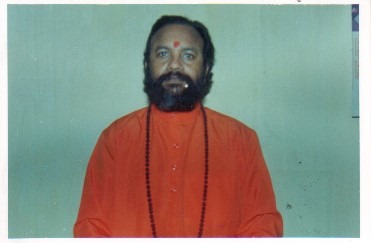
Pujya Guru Ji Maharaj - Avhigat Akhara
Guidance by Pujya Guru Ji Maharaj
“Words are like fingers pointing at the moon; do not bite the finger and think you have tasted the cool nectar of the moon.”

Guru Ji advises that arguing about philosophy is the pastime of tired scholars, but living philosophy is the glory of a real sadhak. If you can forgive someone who insulted you and share your bread with a hungry stranger, you have understood the entire library of Vedanta. Let your knowledge shine through your patience, your silence, and your smile.

Preparation & Sacred Disciplines

Preparation & Sacred Disciplines

Essential guidelines, satvik habits, and sanctum preparations

01

Moral Grounding in Yama-Niyama

Recommended

02

Cleansing the Mind through Karma Yoga

Recommended

03

Systematic Study of Vedanta

Recommended

04

Eliminating Casual Debates

Recommended

05

Developing the Witness Stance

Recommended

06

Prostrating before the Guru

Recommended

Practice Progression & Stages

Practice Progression & Stages

Systematic pathway from preliminary understanding to final sanctum offering

01

Stage 1: Subheccha (Noble Longing)

The awakening of deep spiritual thirst, realizing that worldly pleasures are transient and inadequate.

02

Stage 2: Vicharana (Inquiry & Discernment)

Deep reflection upon scriptures, association with wise masters, and questioning of personal assumptions.

03

Stage 3: Tanumanasa (Thinning of the Mind)

Mental distractions and worldly desires thin out significantly, leaving the mind sharp and transparent.

04

Stage 4: Sattvapatti (Abidance in Truth)

The mind settles firmly in pure Sattva, experiencing direct intuitive knowledge of the non-dual reality.

Daily Practice Discipline & Niyama

Daily Practice Discipline & Routine

Sanctum steadfastness: One Time, One Altar, and Inner Purity

Rule
Recommended

Relentless Truth-Seeking

Rule
Recommended

Ego Monitoring (Dambha Nashana)

Rule
Recommended

Controlled Senses (Indriya Dama)

Rule
Recommended

Patience with Ignorance (Titiksha)

Rule
Recommended

Quiet Solitude (Uparati)

Rule
Recommended

Unshakeable Conviction (Shraddha)

Sacred Cautions & Safety Guidelines

Common Mistakes & Sacred Cautions

Safeguarding seekers against mispronunciation, haste, and unauthorized practices

Skipping the preparatory stages of Karma Yoga and jumping straight into high Advaita.

Correct Lineage Guidance: Clean the vessel first through humble service before pouring in the wine of wisdom.

Believing that intellectual comprehension equals spiritual liberation.

Correct Lineage Guidance: Meditate deeply until the knowledge becomes unbroken personal realization in daily crisis.

Looking down on Bhakti (devotion) as an inferior path for simpletons.

Correct Lineage Guidance: Integrate love with wisdom. Real Jnana is the head; pure Bhakti is the heart.

Abandoning ethical guidelines because "rules belong to the illusion of duality."

Correct Lineage Guidance: Uphold the highest ethical standards in all civic, financial, and personal affairs.

Becoming cold and unapproachable to friends and neighbors.

Correct Lineage Guidance: Be warm, affectionate, and cheerful. God shines through warm human friendship.

Authentic Seeker Inquiries

Authentic Questions Asked by Seekers

Direct, practical answers grounded in verified tradition and authentic lineage wisdom

Can someone practice both Jnana Yoga and Bhakti Yoga together?
Yes, absolutely. They are twin wings of the same bird. Jnana provides the clear vision of who God is; Bhakti provides the passionate love that binds the soul to God. Without Jnana, Bhakti can become blind fanaticism; without Bhakti, Jnana can become cold intellectual desert.
Is Jnana Yoga suitable for someone who has not studied Sanskrit?
Yes. While classical terms help in precise understanding, the truth of the Self is beyond all human languages. Realized masters teach the core principles in plain everyday language that anyone with common sense can understand and apply.
How long does it take to attain liberation through Jnana Yoga?
If the four qualifications are fully ripe and the mind is completely free from latent desires, realization can happen in a single second upon hearing the truth (as happened to King Janaka). If the mind is scattered, it takes years of disciplined purification.
What is the difference between Jnana Yoga and Raja Yoga?
Raja Yoga uses physical postures, breath control, and sensory withdrawal to mechanically quiet the mind. Jnana Yoga uses philosophical inquiry and discernment to realize that the mind is an illusion, directly arriving at stillness without mechanical tools.
How does Jnana Yoga help deal with chronic physical illness?
It helps by separating the physical pain of the body from the mental suffering of the mind. The body feels the sensations of illness, but the inner awareness remains peaceful, knowing: The body is going through its karma, but I am the unaffected witness.
Can a young student in college practice Jnana Yoga?
Yes. Practicing discernment (Viveka) protects students from peer pressure, drug addiction, toxic relationships, and exam anxiety, building a powerful, focused, and joyful intellect.
Frequently Asked Questions

Frequently Asked Questions

Authentic answers to common queries regarding initiation, timing, and practice

1. Subheccha (noble desire); 2. Vicharana (philosophical inquiry); 3. Tanumanasa (thinning of desires); 4. Sattvapatti (abidance in truth); 5. Asamsakti (complete non-attachment); 6. Padartha-bhavani (perception of Spirit everywhere); and 7. Turyaga (supreme non-dual realization).

YOUR SACRED NEXT STEP

Ready to Begin Jnana Yoga: The Path of Wisdom & Discernment?

Follow the authentic Vedic and monastic path under lineage guidance before starting your practice.

Guidance Recommended

Guru Guidance & Diksha Consultation

This sacred practice requires initiation and protective mantra guidance from the authentic monastic lineage before regular practice.

Direct connection with Avhigat Akhara.
Enquiry Open

Jnana Yoga: The Path of Wisdom & Discernment Guided Training

Learn step-by-step mantra japa, mudras, and nyasa under authentic Acharyas through our guided monastic batches.

Batch curriculum and registration dates announced periodically.
Approved Paraphernalia

Jnana Yoga: The Path of Wisdom & Discernment Sacred Essentials

View consecrated Jap Malas, consecrated Yantras, Kusha asanas, and authentic sadhana kits approved by Avhigat Akhara.

Consecrated items energized per scriptural traditions.
View Sadhana Essentials
Sacred Sanctum Essentials

Sacred Essentials & Sanctum Items

Consecrated items traditionally used to support meditation, focus, and sanctum discipline

Tradition & Guidance Advisory

Use of Mala, Yantra, Kit or other materials can vary by practice. Follow the guidance given for your Sadhana.

Essential Checklist Before Practice
Vedic Sequence
1
1. Guidance
Guru Guidance
Consult
2
2. Mala
Consecrated Mala
View ↓
3
3. Yantra
Sanctum Yantra
View ↓
4
4. Kit
Sadhana Kit
View ↓
5
5. Asan
Pure Woolen Asan
View ↓
Mala Sacred Tool

Consecrated Haldi / Tulsi Japa Mala

108 knotted beads consecrated according to Vedic rites.

Yantra Sanctum Item

Handcrafted Copper Yantra Plate

Sacred geometric plate for sanctum meditation and focus.

Asan Daily Practice

Pure Woolen Meditation Asana

Traditional insulation mat to preserve spiritual energy.

॥ श्री गुरु चरण सरोज रज ॥

One-to-One Samasya Samadhan

Confidential Guidance

Private guidance from Guru Ji and the Akhara's guides. Choose what you need help with.