
Specific Diksha Principle for Distinct Spiritual Disciplines
In the Sanatan spiritual science, a foundational rule states that each distinct sadhana possesses its own unique energetic frequency, requiring specific initiation (Pratyek Sadhana Prithak Diksha). Just as a medical key for a heart ailment cannot cure a fracture, and a seed of wheat cannot sprout a banyan tree, an initiation into Shiva Panchakshari does not automatically confer the authority to practice severe Mahavidya Baglamukhi or Kaal Bhairav anushthanas. This detailed overview details why different deities demand separate initiations, how nyasa and kavach disciplines vary across lineages, and why mixing practices without authorization causes spiritual confusion.
The Principle of Distinct Diksha for Each Sadhana
Why Every Spiritual Path and Deity Demands Dedicated Initiation
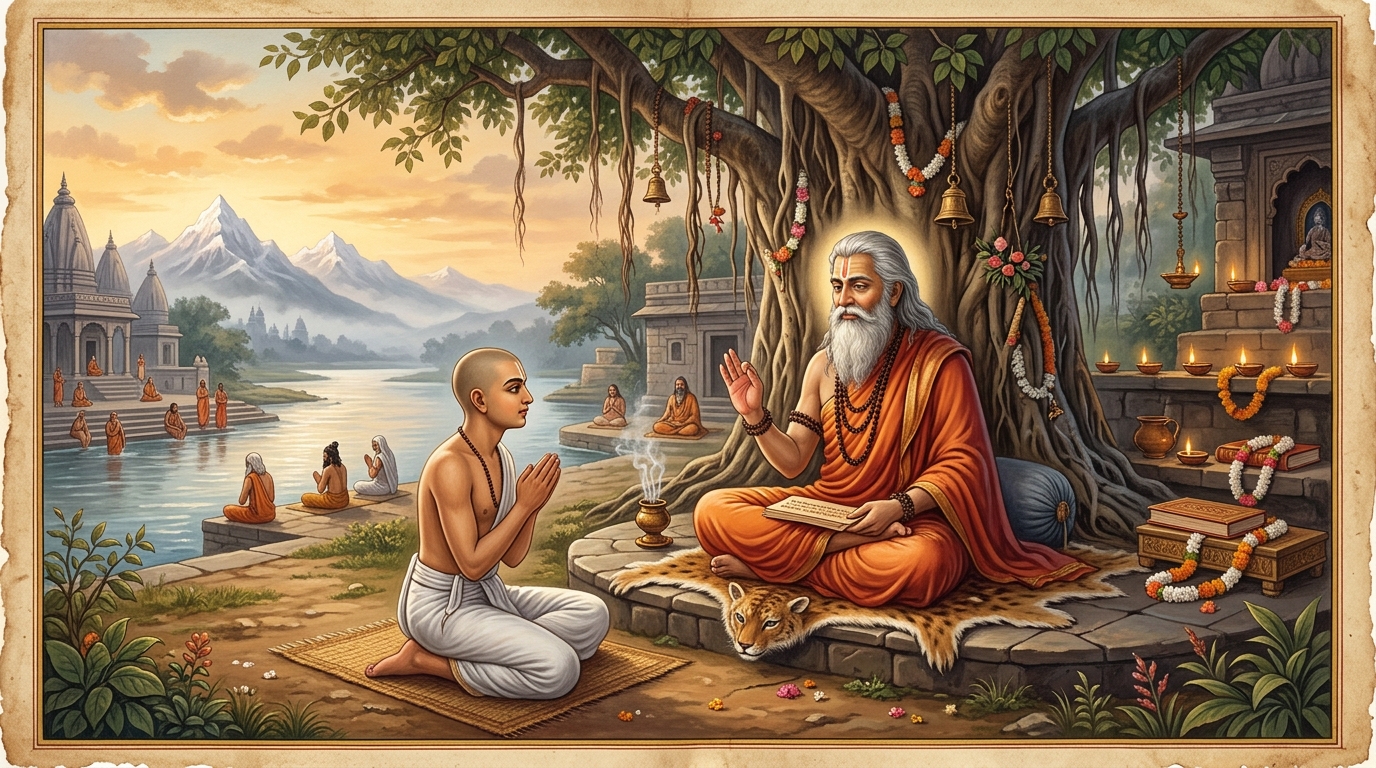
What is Distinct Diksha Requirement for Different Sadhanas?
Sacred essence, spiritual foundation, and scriptural truth
In the Sanatan spiritual science, a foundational rule states that each distinct sadhana possesses its own unique energetic frequency, requiring specific initiation (Pratyek Sadhana Prithak Diksha). Just as a medical key for a heart ailment cannot cure a fracture, and a seed of wheat cannot sprout a banyan tree, an initiation into Shiva Panchakshari does not automatically confer the authority to practice severe Mahavidya Baglamukhi or Kaal Bhairav anushthanas. This detailed overview details why different deities demand separate initiations, how nyasa and kavach disciplines vary across lineages, and why mixing practices without authorization causes spiritual confusion.
Why is Distinct Diksha Requirement for Different Sadhanas Practiced?
Core spiritual purposes, inner purification, and consciousness evolution
Mental Stillness & Focus
Daily japa and meditative contemplation calm wandering thoughts, fostering sharp inward awareness and emotional balance.
Spiritual Fortitude & Energy Balance
Authentic sacred kavacha and nyasa practices protect subtle vitality from negative inclinations, fear, and distraction.
Cultivation of Sattvic Discernment
Helps dissolve pride, resentment, and restlessness, strengthening humility, discernment, and spiritual surrender.
Inner Realization & Lineage Grace
Not an outward exhibition, but an inward journey toward self-realization sheltered under authentic monastic lineage guidance.
Spiritual Significance & Philosophy
Philosophical essence and the science of internal transformation
“The significance of this principle is that it protects the seeker from spiritual indigestion. In the Sharada Tilaka, Sage Lakshmana Deshika explains that a mantra chanted without its specific lineage initiation operates like a blunt sword: it tires the arm of the warrior but fails to cut through the armor of ignorance. When an authentic Guru gives you a specific Diksha, the master connects you to the specific Rishi who first revealed the mantra, the specific meter (Chhandas) that carries its rhythm, and the specific Devata whose grace presides over the practice. This threefold connection (Rishi, Chhandas, Devata) is formally established during the Vinayoga ceremony of that specific Diksha. Without this formal connection, the sadhana lacks its cosmic address and wanders without reaching its goal.”
Who is This Sadhana For?
Eligibility criteria, seeker temperament, and prerequisite guidance
Individuals seeking daily focus, spiritual discipline, and quiet inward balance without complex rituals.
Practitioners balancing work, family, and social obligations while following a pure satvik spiritual path.
Dedicated practitioners who have mastered basic disciplines and wish to undertake formal anusthana under Guru Diksha.
Importance of Lineage Grace & Approval
Tantrik, Mahavidya, and advanced dhyana disciplines should not be initiated whimsically without lineage permission and proper understanding.
Who Should Take Lineage Guidance First?
Lineage Principle: Practice preserves sanctity and protects seekers when guided authentically
Historical Origins & Guru Parampara
Authentic scriptural foundation and unbroken monastic transmission
Traditional Origins
Scriptural Authority
Monastic Lineage Shelter
Guru Ji explains to disciples: Do not be in a hurry to collect twenty different mantras like curious stamps in an album. One mantra practiced with total devotion for ten years will carry you to liberation, whereas ten mantras practiced casually for a month will leave you empty-handed. When the Guru decides you are ready for a new vidya, the Guru will call you and bestow it.
Preparation & Sacred Disciplines
Essential guidelines, satvik habits, and sanctum preparations
Review of Prior Sadhana Completion
RecommendedBefore requesting a new initiation, demonstrate that you have fulfilled the daily japa count of your existing Guru mantra without interruption.
Personal Interview with Acharya
RecommendedMeet with the lineage Acharya to discuss your intentions, life circumstances, and spiritual readiness for the new vidya.
Acquiring Specific Sacred Implements
RecommendedObtain the authorized beads, yantra, and asan cloth prescribed for that specific deity from the ashram store.
Sattvic Dietary Vow
RecommendedObserve a clean vegetarian diet free of onion and garlic for at least fourteen days prior to the initiation ceremony.
Study of Deity Philosophy
RecommendedRead authorized commentaries on the deity nature so your intellect understands the cosmic meaning behind the ritual.
Preparation of Guru Dakshina
RecommendedPrepare humble offerings of fruits, betel leaves, flowers, and voluntary dakshina according to your honest financial capacity.
Practice Progression & Stages
Systematic pathway from preliminary understanding to final sanctum offering
Stage 1: Prathama Diksha (Foundational Guru Mantra)
The seeker receives foundational initiation that anchors moral living, daily peace, and connection to the lineage.
Stage 2: Ishta Devata Diksha (Specific Deity Initiation)
The seeker is initiated into their personal chosen deity (Shiva, Devi, Vishnu, or Bhairav) with specific nyasa and kavach.
Stage 3: Anushthana Vidhi Diksha (Intensive Ritual Initiation)
The disciple is granted authority to conduct intense multi-day vows with sacred fire havan and purashcharana rules.
Stage 4: Sannyas or Siddha Diksha (Final Transmission)
For advanced aspirants, formal initiation into monastic renunciation (Sannyas) or highest non-dual wisdom (Jnana).
Daily Practice Discipline & Routine
Sanctum steadfastness: One Time, One Altar, and Inner Purity
Dedicated Mala Separation
Adherence to Specific Nyasa
Respect for Prithak Sankalpa
Lineage Authorization Registry
Patience Between Stages
Single-Minded Devotion During Anushthana
Common Mistakes & Sacred Cautions
Safeguarding seekers against mispronunciation, haste, and unauthorized practices
Collecting multiple initiations out of spiritual greed to brag to peers.
Correct Lineage Guidance: Ask for a new initiation only when you have thoroughly mastered and stabilized your current practice.
Chanting a fierce deity mantra using a peaceful Tulsi rosary.
Correct Lineage Guidance: Use the exact rosary prescribed by scripture (Rudraksha for Shiva, Haldi for Baglamukhi, Tulsi for Vishnu).
Giving your initiation mantra to your spouse or children without Guru permission.
Correct Lineage Guidance: Bring your family to the Guru so each person receives their own customized seed mantra.
Abandoning your foundational Guru mantra once you receive an advanced deity mantra.
Correct Lineage Guidance: Always chant at least one round of your Guru mantra before starting your deity mantra.
Practicing a sadhana from a book because you think all gods are one anyway.
Correct Lineage Guidance: Respect the diversity of divine forms and follow authentic initiation rules for each.
Authentic Questions Asked by Seekers
Direct, practical answers grounded in verified tradition and authentic lineage wisdom
Frequently Asked Questions
Authentic answers to common queries regarding initiation, timing, and practice
Samanya Diksha is general initiation that welcomes the seeker into the lineage and gives a daily foundational mantra. Visesha Diksha is specific initiation into an advanced deity with rigorous ritual rules.
Related Sacred Sadhanas
Connected disciplines within this lineage and spiritual tradition

Sacred Essentials & Sanctum Items
Consecrated items traditionally used to support meditation, focus, and sanctum discipline
Use of Mala, Yantra, Kit or other materials can vary by practice. Follow the guidance given for your Sadhana.
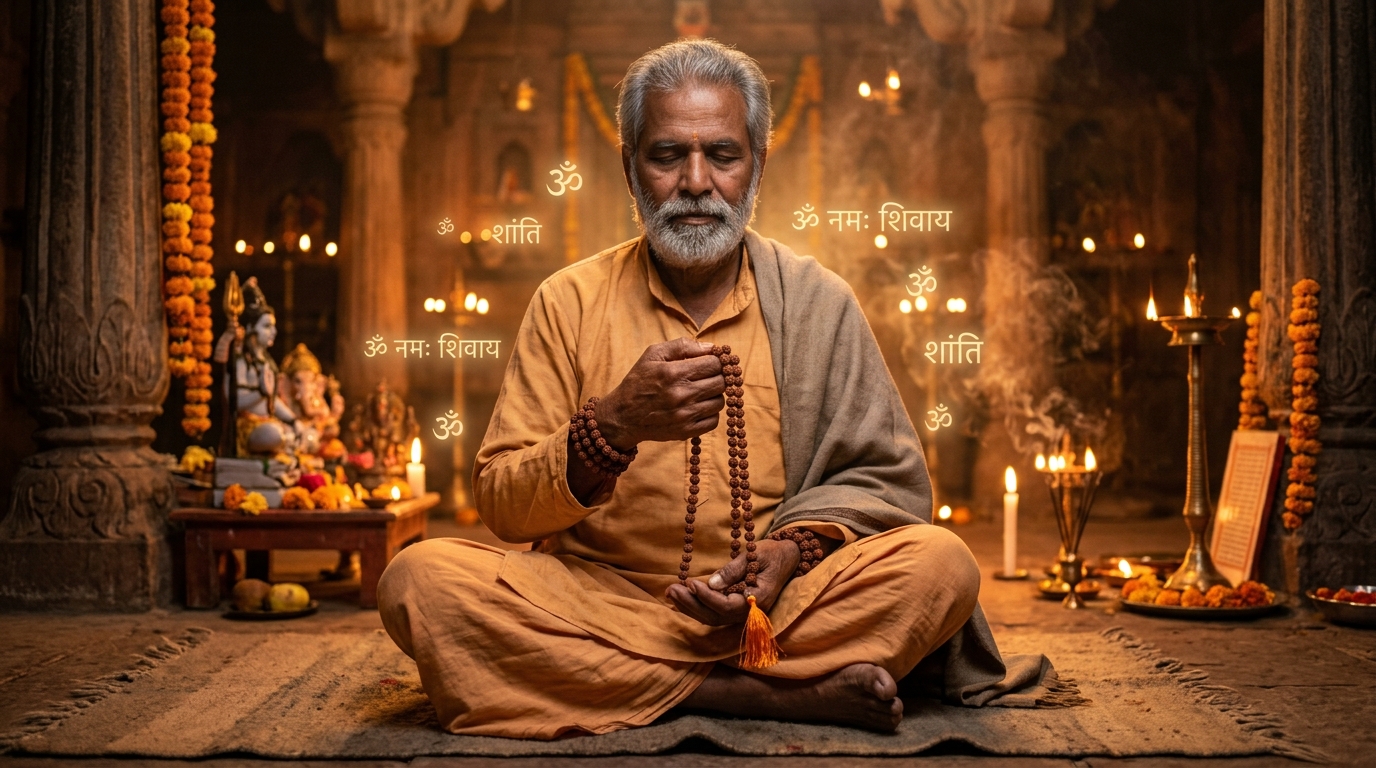
Consecrated Haldi / Tulsi Japa Mala
108 knotted beads consecrated according to Vedic rites.
Handcrafted Copper Yantra Plate
Sacred geometric plate for sanctum meditation and focus.
Pure Woolen Meditation Asana
Traditional insulation mat to preserve spiritual energy.
Ask About This Sacred Item
Inquire with the sanctum team regarding consecration, authenticity, or practice usage.
