
Raj Yog — The Royal Path of Mental Mastery and Meditation
Raj Yog Sadhana, heralded as the Royal Path by Sage Patanjali, is the supreme science of mastering the human mind and resting in the eternal peace of pure consciousness. Rather than relying on severe physical mortifications, Raj Yog systematizes spiritual growth into the eight limbs of Ashtanga Yoga: ethical harmony, internal purity, steady posture, breath regulation, sensory withdrawal, focused concentration, continuous meditation, and breathless absorption (Samadhi). This authoritative guide presents classical principles, daily meditation routines, and philosophical clarity.
What is the Concept of Raj Yog in Yoga Philosophy?
Yogas Chitta Vritti Nirodha — Silencing the Thought Waves of the Mind
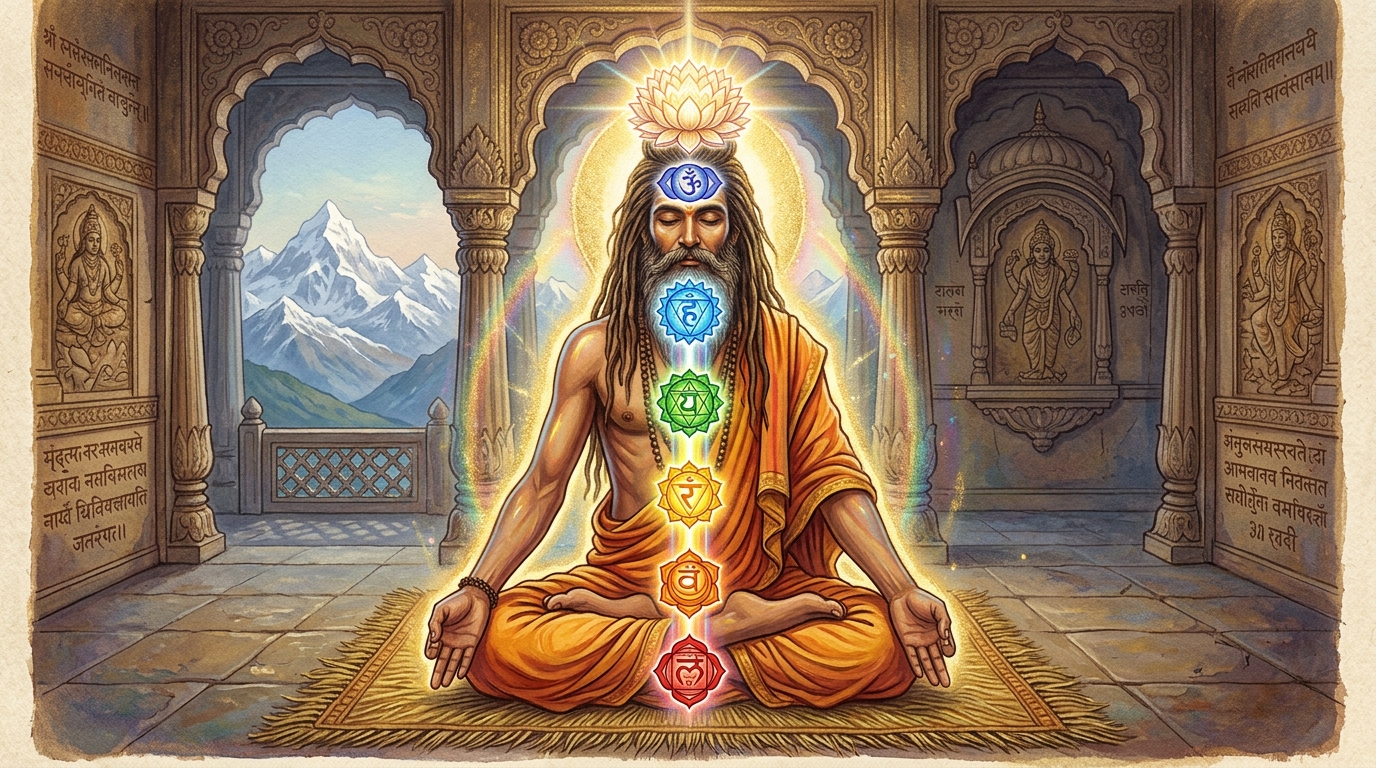
What is Raj Yog Sadhana?
Sacred essence, spiritual foundation, and scriptural truth
Raj Yog Sadhana, heralded as the Royal Path by Sage Patanjali, is the supreme science of mastering the human mind and resting in the eternal peace of pure consciousness. Rather than relying on severe physical mortifications, Raj Yog systematizes spiritual growth into the eight limbs of Ashtanga Yoga: ethical harmony, internal purity, steady posture, breath regulation, sensory withdrawal, focused concentration, continuous meditation, and breathless absorption (Samadhi). This authoritative guide presents classical principles, daily meditation routines, and philosophical clarity.
Why is Raj Yog Sadhana Practiced?
Core spiritual purposes, inner purification, and consciousness evolution
Mental Stillness & Focus
Daily japa and meditative contemplation calm wandering thoughts, fostering sharp inward awareness and emotional balance.
Spiritual Fortitude & Energy Balance
Authentic sacred kavacha and nyasa practices protect subtle vitality from negative inclinations, fear, and distraction.
Cultivation of Sattvic Discernment
Helps dissolve pride, resentment, and restlessness, strengthening humility, discernment, and spiritual surrender.
Inner Realization & Lineage Grace
Not an outward exhibition, but an inward journey toward self-realization sheltered under authentic monastic lineage guidance.
Spiritual Significance & Philosophy
Philosophical essence and the science of internal transformation
“The immense significance of Raj Yog lies in its universality and scientific precision. It does not demand blind belief in dogma, sectarian deities, or mythological narratives; it offers a direct, empirical laboratory where your own mind is the instrument and your own consciousness is the subject of discovery. Modern psychological science recognizes that the majority of human diseases — from anxiety and clinical depression to hypertension and digestive ulcers — originate from unregulated mental tension and chronic stress loops. Raj Yog addresses the disease at its very fountainhead: the restless chitta. By retraining the mind to disengage from toxic ruminations and rest in internal silence, Raj Yog restores psychological equilibrium, sharpens intellectual focus, enhances creative intuition, and brings genuine peace to everyday living. For householders and scholars alike, it is the royal path of serene living.”
Who is This Sadhana For?
Eligibility criteria, seeker temperament, and prerequisite guidance
Individuals seeking daily focus, spiritual discipline, and quiet inward balance without complex rituals.
Practitioners balancing work, family, and social obligations while following a pure satvik spiritual path.
Dedicated practitioners who have mastered basic disciplines and wish to undertake formal anusthana under Guru Diksha.
Importance of Lineage Grace & Approval
Tantrik, Mahavidya, and advanced dhyana disciplines should not be initiated whimsically without lineage permission and proper understanding.
Who Should Take Lineage Guidance First?
Lineage Principle: Practice preserves sanctity and protects seekers when guided authentically
Historical Origins & Guru Parampara
Authentic scriptural foundation and unbroken monastic transmission
Traditional Origins
Scriptural Authority
Monastic Lineage Shelter
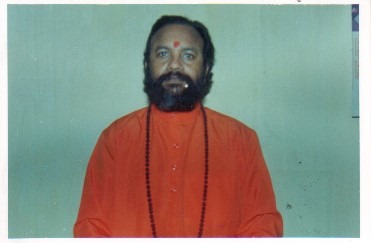
Guru Ji instructs that meditation is not an aggressive wrestling match with your mind. The more you fight your thoughts, the stronger they become. Sit like a silent, loving spectator watching children play in a courtyard. When the children realize nobody is paying attention to their games, they grow tired and sit down quietly. In the same way, when you cease paying attention to your thoughts, the mind settles into the sublime stillness of the soul.
Preparation & Sacred Disciplines
Essential guidelines, satvik habits, and sanctum preparations
Create a Dedicated Practice Corner
Mandatory RuleSet aside a quiet, well-ventilated corner of your home used exclusively for contemplation and prayer.
Study Patanjali Yoga Sutras
RecommendedFamiliarize your intellect with the four padas and the eight limbs to understand the psychological mechanics of yoga.
Establish Fixed Sitting Times
Mandatory RuleChoose a consistent time each morning and evening; regularity trains the circadian rhythm and mental focus.
Commit to Non-Violence in Thought
Mandatory RulePledge to abandon mental hostility, grudges, and violent daydreams; an agitated heart can never enter samadhi.
Cultivate Emotional Forgiveness Vows
Mandatory RuleResolve to release all historical grudges, family feuds, and lingering grievances before attempting sitting meditation; a resentful heart cannot sustain mental stillness.
Practice Progression & Stages
Systematic pathway from preliminary understanding to final sanctum offering
Yama & Niyama Foundation
Months 1-3Establishing moral integrity, truthfulness, non-violence, and emotional contentment as the solid base of mental peace. Establishing strict truthfulness, non-injury, and emotional contentment cleanses the conscience of guilt and agitation, creating the serene moral foundation required for seated meditation.
Asana & Pranayama Stillness
Months 4-6Mastering a steady motionless posture and rhythmic breath regulation to calm physiological restlessness. Achieving a steady, effortless posture where physical movement stops allows the breath to become smooth and rhythmic, eliminating involuntary nervous twitches and muscle restlessness.
Pratyahara & Sensory Inversion
Months 7-9Withdrawing attention from external sights, sounds, and physical sensations, turning the mind spotlight inward. Consciously disconnecting the hearing, sight, and tactile senses from environmental distractions redirects ninety percent of mental stamina inward toward the silent sanctuary of the soul.
Dharana & Dhyana Convergence
Months 10-18Locking concentration onto a single spiritual focal point until attention flows in an unbroken stream of meditation. Pouring undivided attention upon a single chosen divine concept or breath rhythm deepens into an unbroken river of awareness where personal doubts and distractions vanish completely.
Samadhi & Kaivalya Realization
Peak AccomplishmentThe individual ego dissolves into the luminous ocean of pure consciousness; absolute spiritual liberation is attained. The final veil of ignorance dissolves, freeing the eternal pure seer (Purusha) from all false identification with mental modifications, granting supreme liberation (Kaivalya).
Daily Practice Discipline & Routine
Sanctum steadfastness: One Time, One Altar, and Inner Purity
Daily Svadhyaya (Sacred Study)
Witnessing Awareness (Sakshi Bhava)
Sensory Fasting (Pratyahara Practice)
Physical Stillness (Asana Jaya)
Ethical Speech (Satya & Ahimsa)
Contentment with Simplicity (Santosha)
Equanimity in Praise and Blame
Sacred Spatial Simplicity
Common Mistakes & Sacred Cautions
Safeguarding seekers against mispronunciation, haste, and unauthorized practices
Attempting to violently suppress thoughts or becoming furious when the mind wanders during meditation.
Correct Lineage Guidance: Do not battle the mind. Simply observe wandering thoughts as detached clouds passing across the vast sky.
Practicing advanced meditation while living a deceitful, greedy, or morally corrupt lifestyle in the marketplace.
Correct Lineage Guidance: Cleanse your outer life first. Truthfulness, integrity, and kindness are the bedrock of authentic meditation.
Falling into a drowsy, semi-conscious mental stupor (Laya) and foolishly imagining you have attained samadhi.
Correct Lineage Guidance: Maintain alert, razor-sharp awareness. True samadhi is super-consciousness, never dull sleep or zoning out.
Authentic Questions Asked by Seekers
Direct, practical answers grounded in verified tradition and authentic lineage wisdom
Frequently Asked Questions
Authentic answers to common queries regarding initiation, timing, and practice
Hatha Yoga focuses primarily on the physical body, asanas, shatkarmas, and pranayama to balance biological energies. Raj Yog focuses directly on the mind, meditation, and samadhi. Hatha Yoga was designed as the physical preparation for Raj Yog.
Related Sacred Sadhanas
Connected disciplines within this lineage and spiritual tradition

Sacred Essentials & Sanctum Items
Consecrated items traditionally used to support meditation, focus, and sanctum discipline
Use of Mala, Yantra, Kit or other materials can vary by practice. Follow the guidance given for your Sadhana.
Consecrated Haldi / Tulsi Japa Mala
108 knotted beads consecrated according to Vedic rites.
Handcrafted Copper Yantra Plate
Sacred geometric plate for sanctum meditation and focus.
Pure Woolen Meditation Asana
Traditional insulation mat to preserve spiritual energy.
Ask About This Sacred Item
Inquire with the sanctum team regarding consecration, authenticity, or practice usage.
