Avhigat Akhara
Traditional Ascetic Hermitage & Vedic Lineage
Preserving Eternal Sanatan Dharma and Divine Guru Parampara
Membership Contact Us
Vedic & Vaishnava Upasana › Vedic Chanting & Yajna

Papamochani Sadhana — Liberation from Past Guilt, Sincere Repentance & Awakening of Moral Wholeness

Papamochani Sadhana is a classical Vedic and Vaishnava purification discipline associated with the holy observance of Papamochani Ekadashi and the worship of Lord Vishnu. Undertaken to release agonizing psychological guilt, dissolve deep-seated karmic burdens from past transgressions, and re-establish moral innocence, this practice provides a compassionate path of sincere repentance (Prayashchitta). In the non-judgmental philosophy of Avhigat Akhara, a human soul is never fundamentally evil; it is merely covered by clouds of past ignorance and flawed choices. Approved for open public practice, this upasana does not preach morbid self-hatred or religious dogmatism. By observing fasting or light dietary restraint, offering heartfelt confession to the Divine, chanting sacred cleansing verses, and performing generous charitable acts for the poor, the seeker burns away residual karmic impurities, restores mental peace, and steps forward into life with a clean conscience and renewed spiritual vigor.

Level: Beginner
Vedic
Guru Diksha Required
Papamochani Sadhana (Karmic Cleansing, Repentance & Moral Renewal Upasana)
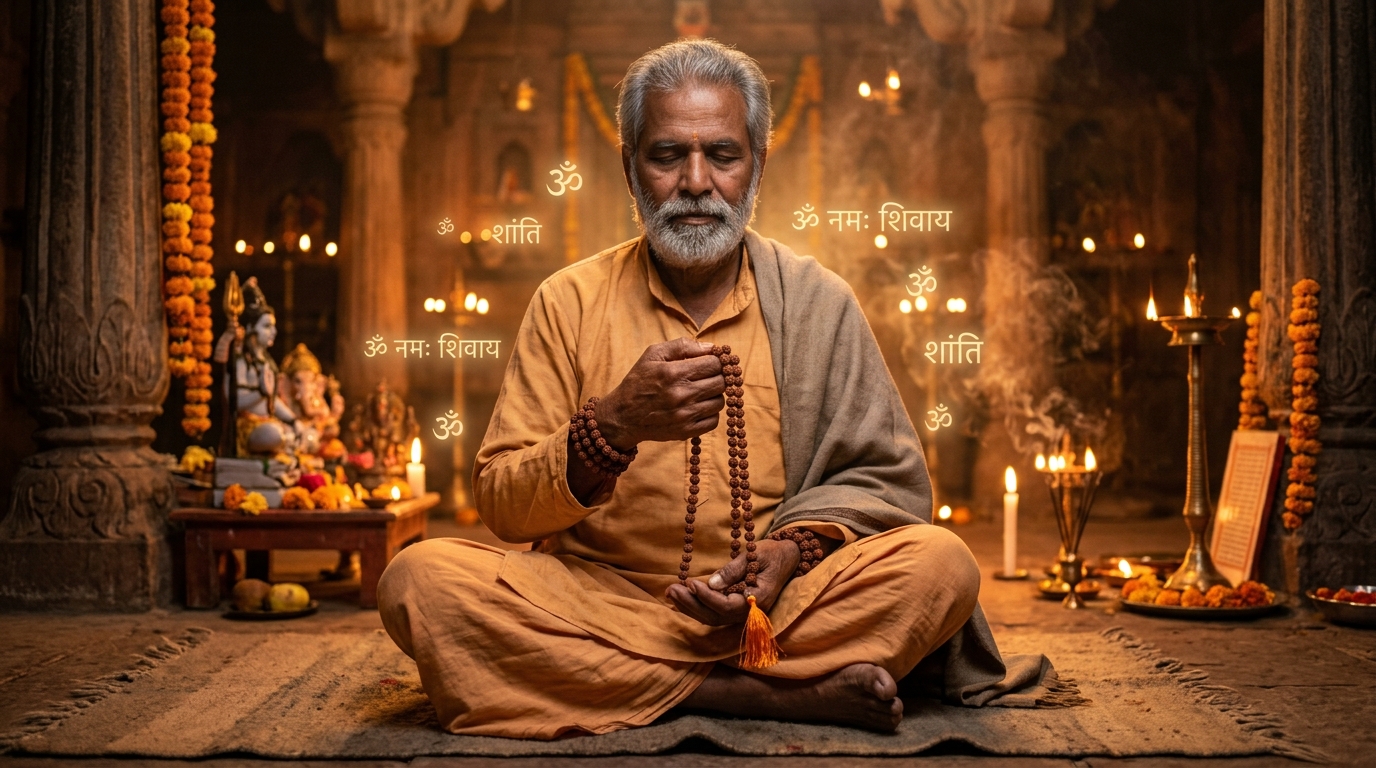
Sacred Deity Sanctum Darshan Consecrated Murti
Divine Origin & Spiritual Identity

The Spiritual Science of Prayashchitta: From Guilt to Divine Grace

Dissolving the Weight of Past Regrets Through Honest Confession, Self-Correction, and Compassionate Service

Psychological research and ancient spiritual texts agree that lingering guilt is one of the most toxic burdens a human mind can carry. When a person realizes that they have harmed someone, spoken cruel lies, or broken sacred vows, unresolved guilt festers as chronic depression, self-sabotaging behavior, and deep spiritual paralysis. In the Bhavishyaottara Purana and the Chandogya Upanishad, the ancient sages formulated the science of Prayashchitta (atonement). The word Praya means tapas or sincere effort, and chitta means resolute purification of mind. Prayashchitta does not mean punishing oneself with morbid despair; it means recognizing past ignorance, feeling genuine sorrow, confessing the wrongdoing before the all-merciful Supreme Being, and making practical amends in the world. Papamochani Sadhana creates the energetic conditions for complete karmic washing. When the seeker fasts, drinks consecrated water, chants the holy names of Lord Narayana, and feeds hungry beings, the subtle impressions (samskaras) of past misconduct dissolve from the causal body. The seeker feels a literal weight lifting from their chest, realizing that God compassion is infinitely greater than any human shortcoming.
The Spiritual Science of Prayashchitta: From Guilt to Divine Grace
Papamochani Sadhana (Karmic Cleansing, Repentance & Moral Renewal Upasana)
Sanctum Sacred Representation
Dissolution of Inner Guilt & Self-Sabotage
Purification of Karmic Samskaras
Awakening of Moral Integrity
Divine Reconnection and Grace
Definition & Spiritual Essence

What is Papamochani Sadhana (Karmic Cleansing, Repentance & Moral Renewal Upasana)?

Sacred essence, spiritual foundation, and scriptural truth

Authoritative Summary (Direct Essence)

Papamochani Sadhana is a classical Vedic and Vaishnava purification discipline associated with the holy observance of Papamochani Ekadashi and the worship of Lord Vishnu. Undertaken to release agonizing psychological guilt, dissolve deep-seated karmic burdens from past transgressions, and re-establish moral innocence, this practice provides a compassionate path of sincere repentance (Prayashchitta). In the non-judgmental philosophy of Avhigat Akhara, a human soul is never fundamentally evil; it is merely covered by clouds of past ignorance and flawed choices. Approved for open public practice, this upasana does not preach morbid self-hatred or religious dogmatism. By observing fasting or light dietary restraint, offering heartfelt confession to the Divine, chanting sacred cleansing verses, and performing generous charitable acts for the poor, the seeker burns away residual karmic impurities, restores mental peace, and steps forward into life with a clean conscience and renewed spiritual vigor.

What is Papamochani Sadhana? Papamochani Sadhana is a deep devotional atonement and renewal practice dedicated to Lord Vishnu, practiced on Ekadashi or any sacred morning when a seeker feels the urge for spiritual cleansing. Authorized for all sincere seekers in Avhigat Akhara, it emphasizes compassionate self-correction over rigid dogma. The practitioner wears clean white cotton garments, sitting facing East on a clean kusha grass or wool mat. A steady cow ghee lamp is lit before an image of Lord Vishnu or Sri Krishna. Offerings include clean spring water, yellow flowers, sacred Tulsi leaves, and seasonal fruits. The discipline includes observing a complete or partial fruit fast for the day, chanting the Vishnu Sahasranama or the sacred twelve-syllable mantra (Om Namo Bhagavate Vasudevaya), and reading the narrative of Sage Medhavi and the celestial maiden Manjughosha from the Puranas. The sadhaka spends ten minutes in quiet introspection, honestly writing down or mentally confessing their past mistakes, resolving never to repeat them, and concluding the day by donating food and clothing to the needy. This honest surrender cleanses the heart completely, restoring radiant peace and moral clarity.
Spiritual Purpose & Inner Evolution

Why is Papamochani Sadhana (Karmic Cleansing, Repentance & Moral Renewal Upasana) Practiced?

Core spiritual purposes, inner purification, and consciousness evolution

Mental Stillness & Focus

Daily japa and meditative contemplation calm wandering thoughts, fostering sharp inward awareness and emotional balance.

Spiritual Fortitude & Energy Balance

Authentic sacred kavacha and nyasa practices protect subtle vitality from negative inclinations, fear, and distraction.

Cultivation of Sattvic Discernment

Helps dissolve pride, resentment, and restlessness, strengthening humility, discernment, and spiritual surrender.

Inner Realization & Lineage Grace

Not an outward exhibition, but an inward journey toward self-realization sheltered under authentic monastic lineage guidance.

Tattvik Insight & Philosophy

Spiritual Significance & Philosophy

Philosophical essence and the science of internal transformation

“The spiritual significance of Papamochani Sadhana is the glorious truth that no soul is beyond redemption. The past cannot be changed, but your present awareness can transform its meaning. When you surrender your mistakes to the ocean of God mercy with genuine humility, your sins dissolve like frost before the rising morning sun.”
Avhigat Akhara Monastic Wisdom
Seeker Eligibility & Suitability

Who is This Sadhana For?

Eligibility criteria, seeker temperament, and prerequisite guidance

Sincere Seekers

Individuals seeking daily focus, spiritual discipline, and quiet inward balance without complex rituals.

Householders

Practitioners balancing work, family, and social obligations while following a pure satvik spiritual path.

Disciplined Initiates

Dedicated practitioners who have mastered basic disciplines and wish to undertake formal anusthana under Guru Diksha.

Importance of Lineage Grace & Approval

Tantrik, Mahavidya, and advanced dhyana disciplines should not be initiated whimsically without lineage permission and proper understanding.

Seeker Discretion Notice

Who Should Take Lineage Guidance First?

Lineage Principle: Practice preserves sanctity and protects seekers when guided authentically

This practice is completely safe, gentle, and liberating. It carries zero negative reactions. Avoid extreme physical self-torture, excessive starvation, or morbid depression, as God desires your sincere self-correction, not your suffering. If health does not permit strict fasting, consume light milk, fruits, and water while focusing on mental prayer. Essential spiritual safety precautions must be followed during Papamochani Sadhana (Karmic Cleansing, Repentance & Moral Renewal Upasana). The seeker must never undertake this practice with malicious intent to harm, manipulate, or dominate another human being. Authentic scriptures emphasize that spiritual laws respond to the purity of the heart; holding hatred or ill will while reciting sacred verses brings severe mental distress and karmic burden. If you notice signs of agitation, arrogance, or restlessness, pause the intensive japa, drink pure water, engage in selfless service at an ashram or temple, and consult your spiritual mentor for balanced guidance.
Request Lineage Guidance Consultation Avhigat Akhara upholds the sacred decorum of traditional Diksha and guided practice.
Origins, Tradition & Guru Parampara

Historical Origins & Guru Parampara

Authentic scriptural foundation and unbroken monastic transmission

Traditional Origins

The observance of Papamochani Ekadashi is detailed in the Bhavishyaottara Purana in a conversation between Lord Krishna and King Yudhishthira. The narrative recounts how the ascetic Medhavi was seduced by the Apsara Manjughosha, breaking his vows; yet upon performing this sacred vrata with genuine repentance, both were fully restored to spiritual purity. In the historical development of classical Sanatan spiritual practices, the discipline of Papamochani Sadhana (Karmic Cleansing, Repentance & Moral Renewal Upasana) represents the systematic alignment of personal moral responsibility with internal contemplative energy. Classical masters taught that outer human life is a mirror of inner consciousness. When an individual harbors unresolved fear, hatred, or excessive greed, the subtle life currents become turbulent, manifesting as external obstacles, bitter conflicts, and mental distress. Rather than turning to destructive rituals, superstition, or quick magical fixes, ancient yogic preceptors developed rigorous contemplative disciplines that dissolve negative karmic knots at their energetic root. The living lineage of Avhigat Akhara has safeguarded these classical guidelines across generations, maintaining a clear distinction between authentic spiritual devotion and sensational folklore.

Scriptural Authority

Primary scriptural authorities include the Bhavishyaottara Purana, the Padma Purana (Uttara Khanda on Ekadashi Mahatmya), and the Bhagavad Gita (Chapter 9, Verse 30-31), where Lord Krishna declares: Even if the vilest sinner worships Me with exclusive devotion, he must be regarded as righteous, for he has rightly resolved. Classical scriptural treatises offer deep philosophical insights into the internal mechanics of Papamochani Sadhana (Karmic Cleansing, Repentance & Moral Renewal Upasana). Foundational texts from the Vedic, Puranic, and Yogic traditions explain that genuine spiritual attainments are not intended for personal pride or commercial gain, but for awakening equanimity, devotion, and detachment. Through patient practice, regular study of sacred literature, and honest contemplation, the earnest student uncovers the divine presence residing within the lotus of the heart, transcending the temporary illusions of worldly gain and loss.

Monastic Lineage Shelter

Within Avhigat Akhara, teachers treat self-forgiveness as an essential spiritual milestone. Aspirants who remain trapped in guilt are unable to meditate because self-condemnation creates thick psychic blockages. Preceptors gently lead disciples through sincere confession, reminding them that true repentance proves itself through compassionate service. Within the pedagogical tradition of Avhigat Akhara, Papamochani Sadhana (Karmic Cleansing, Repentance & Moral Renewal Upasana) is taught as an inward journey of self-purification and moral strength. Senior acharyas remind seekers that outer ceremonies produce no lasting spiritual fruit if the practitioner continues to practice deceit, cruelty, or selfishness in daily relationships. Disciples are encouraged to practice daily self-reflection, examining their thoughts, words, and deeds before retiring to sleep. By cultivating sincere humility, compassion, and truthful living, the seeker turns every moment of practical life into an offering of devotion, ensuring that the spiritual energy gained during sadhana blossoms as wisdom, genuine kindness, and unshakeable peace.
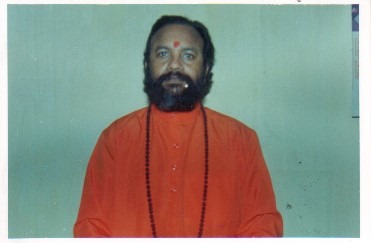
Pujya Guru Ji Maharaj - Avhigat Akhara
Guidance by Pujya Guru Ji Maharaj
“Do not dwell in the ashes of yesterday mistakes; step into the golden light of today repentance, and walk in purity.”

The Lord does not look at your past, my child; He looks at your present sincerity. Cry before Him if your heart hurts, tell Him everything you did, and ask for His strength. Once you have surrendered your guilt at His lotus feet, do not pick it up again. Walk forward as His beloved child. Senior spiritual masters of Avhigat Akhara impart essential contemplative advice regarding Papamochani Sadhana (Karmic Cleansing, Repentance & Moral Renewal Upasana). They teach that steady progress is achieved not by sudden emotional outbursts or extreme austerities, but through humble, consistent devotion offered each day with a calm mind and pure conscience. Do not allow modern worldly distractions to shake your resolve. Trust in the timeless guidance of your preceptor, abide in sacred truthfulness, and know that every sincere step you take on this spiritual path brings lasting blessings.

Preparation & Sacred Disciplines

Preparation & Sacred Disciplines

Essential guidelines, satvik habits, and sanctum preparations

01

Bodily Cleansing and Clean Attire

Recommended

Take a purifying morning bath, sprinkling a few drops of holy Ganga water, and wear fresh white clothing.

02

Altar Setup for Lord Narayana

Recommended

Clean the altar, place an image of Lord Vishnu or Sri Krishna, and light a steady cow ghee lamp.

03

Offering of Fresh Tulsi Leaves

Recommended

Place fresh Tulsi leaves and clean water before the Lord with sincere devotional humility.

04

Sankalpa of Sincere Repentance

Recommended

Hold water in your right palm and mentally confess your shortcomings, asking for divine pardon and grace.

05

Mantra Japa and Scriptural Study

Recommended

Chant "Om Namo Bhagavate Vasudevaya" for eleven rounds and read the sacred Papamochani narrative.

Practice Progression & Stages

Practice Progression & Stages

Systematic pathway from preliminary understanding to final sanctum offering

01

Pashchatapa Udaya (Awakening of Sorrow)

Arrogant denial melts away; the seeker feels sincere, tender sorrow for past errors.

02

Kshama Prapti (Experience of Forgiveness)

A deep wave of divine warmth and mercy washes over the heart, dissolving heavy guilt.

03

Chitta Shuddhi (Cleansing of Consciousness)

Mental depression and self-loathing disappear; the mind feels light, fresh, and deeply at peace.

04

Punya Punarujjivana (Rebirth of Righteousness)

The seeker walks in moral wholeness, dedicated to truth, compassionate charity, and devotion.

Daily Practice Discipline & Niyama

Daily Practice Discipline & Routine

Sanctum steadfastness: One Time, One Altar, and Inner Purity

Rule
Recommended

Open Compassionate Practice

Rule
Recommended

Cow Ghee Deepa and Tulsi Puja

Rule
Recommended

Honest Self-Confession to God

Rule
Recommended

Fast of Body and Senses

Rule
Recommended

Chanting of the Dvadasakshara Mantra

Rule
Recommended

Practical Restitution Where Possible

Rule
Recommended

Charitable Giving (Anna Dana)

Rule
Recommended

Unconditional Vow of Future Righteousness

Sacred Cautions & Safety Guidelines

Common Mistakes & Sacred Cautions

Safeguarding seekers against mispronunciation, haste, and unauthorized practices

Treating this practice as a license to commit sins repeatedly and then wash them away.

Correct Lineage Guidance: True prayashchitta requires a permanent change of heart and an honest refusal to repeat the sin.

Falling into suicidal despair or obsessive self-punishment over past mistakes.

Correct Lineage Guidance: Remember God infinite mercy; channel your energy into helping others rather than self-harm.

Refusing to apologize to living victims when it is practical and safe to do so.

Correct Lineage Guidance: Humbly ask forgiveness from those you harmed and return any unjustly taken wealth.

Boasting about one great repentance or advertising past sins publicly.

Correct Lineage Guidance: Keep your confession strictly between yourself and God in sacred privacy.

Authentic Seeker Inquiries

Authentic Questions Asked by Seekers

Direct, practical answers grounded in verified tradition and authentic lineage wisdom

Can I do Papamochani Sadhana if I committed very serious mistakes in the past?
Yes. No soul is beyond the reach of divine grace. Sincere repentance, honest amends, and dedication to dharma dissolve even deep karmic scars.
Do I have to confess my sins to an ashram priest?
No. In Sanatan tradition, confession is made directly to the Omnipresent God residing in your own heart.
Is strict fasting mandatory for this practice?
No. If you cannot fast due to work or medical reasons, eat light fruits and focus on mental surrender and prayer.
How do I know my past sins have been forgiven?
When the compulsive urge to repeat the mistake disappears and a deep, sweet peace fills your chest, divine forgiveness has taken root.
Frequently Asked Questions

Frequently Asked Questions

Authentic answers to common queries regarding initiation, timing, and practice

To release psychological guilt, dissolve karmic burdens, and re-establish a life of purity and devotion to Lord Vishnu.

YOUR SACRED NEXT STEP

Ready to Begin Papamochani Sadhana (Karmic Cleansing, Repentance & Moral Renewal Upasana)?

Follow the authentic Vedic and monastic path under lineage guidance before starting your practice.

Guidance Recommended

Guru Guidance & Diksha Consultation

This sacred practice requires initiation and protective mantra guidance from the authentic monastic lineage before regular practice.

Direct connection with Avhigat Akhara.
Enquiry Open

Papamochani Sadhana (Karmic Cleansing, Repentance & Moral Renewal Upasana) Guided Training

Learn step-by-step mantra japa, mudras, and nyasa under authentic Acharyas through our guided monastic batches.

Batch curriculum and registration dates announced periodically.
Approved Paraphernalia

Papamochani Sadhana (Karmic Cleansing, Repentance & Moral Renewal Upasana) Sacred Essentials

View consecrated Jap Malas, consecrated Yantras, Kusha asanas, and authentic sadhana kits approved by Avhigat Akhara.

Consecrated items energized per scriptural traditions.
View Sadhana Essentials
Sacred Sanctum Essentials

Sacred Essentials & Sanctum Items

Consecrated items traditionally used to support meditation, focus, and sanctum discipline

Tradition & Guidance Advisory

Use of Mala, Yantra, Kit or other materials can vary by practice. Follow the guidance given for your Sadhana.

Essential Checklist Before Practice
Vedic Sequence
1
1. Guidance
Guru Guidance
Consult
2
2. Mala
Consecrated Mala
View ↓
3
3. Yantra
Sanctum Yantra
View ↓
4
4. Kit
Sadhana Kit
View ↓
5
5. Asan
Pure Woolen Asan
View ↓
Mala Sacred Tool

Consecrated Haldi / Tulsi Japa Mala

108 knotted beads consecrated according to Vedic rites.

Yantra Sanctum Item

Handcrafted Copper Yantra Plate

Sacred geometric plate for sanctum meditation and focus.

Asan Daily Practice

Pure Woolen Meditation Asana

Traditional insulation mat to preserve spiritual energy.

॥ श्री गुरु चरण सरोज रज ॥

One-to-One Samasya Samadhan

Confidential Guidance

Private guidance from Guru Ji and the Akhara's guides. Choose what you need help with.