Avhigat Akhara
Traditional Ascetic Hermitage & Vedic Lineage
Preserving Eternal Sanatan Dharma and Divine Guru Parampara
Membership Contact Us
Devi & Mahavidya Sadhana › Shakti Upasana

Shakti Prapti — Awakening the Primordial Energy

Shakti Prapti Sadhana is the sacred practice of invoking the supreme cosmic energy that enlivens, sustains, and transforms all existence. In the Shakta tradition, consciousness without energy remains dormant; it is Divine Mother Shakti who provides vitality, clarity, and creative power. This guide covers traditional philosophical principles, safe daily upasana, moral disciplines, and essential warnings.

Divine Mother Shakti
Level: Intermediate
Shakta
Guru Diksha Required
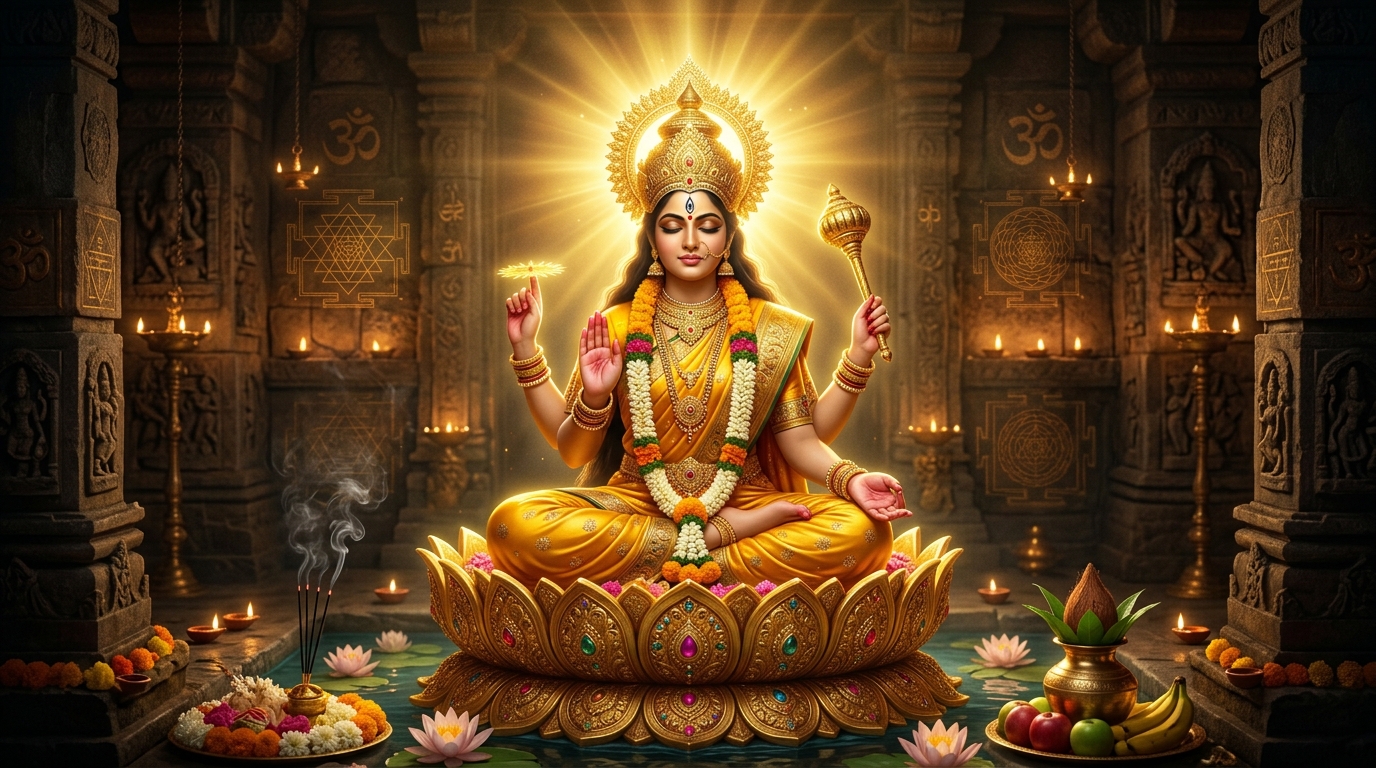
Sacred spiritual depiction of Shakti Prapti Sadhana
Sacred Deity Sanctum Darshan Consecrated Murti
Divine Origin & Spiritual Identity

The Living Principle of Shakti in Sadhana

The Universal Mother and Dynamic Life Force of All Creation
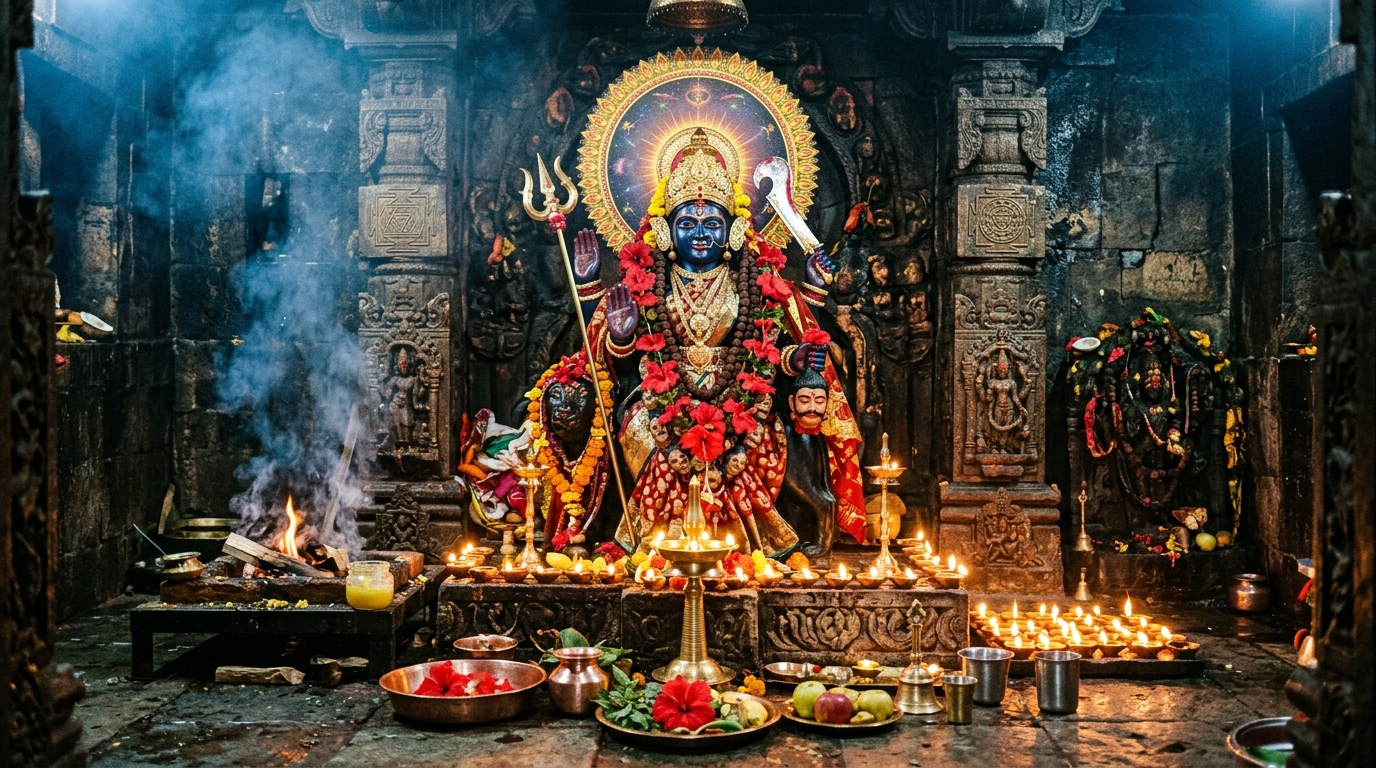
In Sanatan spirituality, Shakti is not an impersonal violent power, but the loving, radiant Mother of the universe. Every heartbeat, every breath, every creative thought, and every ray of sunlight is an expression of Her vibrant presence. Without Her grace, the human body is merely lifeless matter. When a seeker sits for Shakti Prapti Sadhana, the purpose is not to wield destructive power over worldly rivals, but to awaken dormant spiritual vitality within the subtle nadis. Just as a mother tenderly watches over her infant while possessing the fierce courage to shield it from harm, the Divine Mother nurtures sincere seekers with wisdom while burning away their internal impurities of lust, greed, and despair. She is Mahamaya, the weaver of cosmic illusion, and She is also Vidya, the liberator who cuts the knots of worldly bondage. Through steady japa and pure lifestyle, the practitioner invites Her maternal light into the mind, clearing out mental exhaustion, timidity, and emotional numbness, replacing them with vibrant enthusiasm and steady courage to live righteously in the world.
The Living Principle of Shakti in Sadhana
Divine Mother Shakti
Sanctum Sacred Representation
Prana Vitality Awakening
Maternal Protection (Kavacha)
Creative & Intellectual Brilliance
Spiritual Courage & Fearlessness
Definition & Spiritual Essence

What is Shakti Prapti Sadhana?

Sacred essence, spiritual foundation, and scriptural truth

Authoritative Summary (Direct Essence)

Shakti Prapti Sadhana is the sacred practice of invoking the supreme cosmic energy that enlivens, sustains, and transforms all existence. In the Shakta tradition, consciousness without energy remains dormant; it is Divine Mother Shakti who provides vitality, clarity, and creative power. This guide covers traditional philosophical principles, safe daily upasana, moral disciplines, and essential warnings.

The daily practice of Shakti Prapti Sadhana is an orderly, respectful process that transforms the student inside out. Rising at the auspicious pre-dawn hour, the practitioner washes thoroughly and dresses in clean red, yellow, or white natural cotton clothing. A clean wool or silk asan is laid facing East. A brass or copper lamp filled with pure sesame or mustard oil is lit before a sacred yantra or picture of the Divine Mother. Offerings of red hibiscus flowers, fresh fruits, clove, cardamom, and unblemished rice grains mixed with kumkum are reverently placed before the altar. With calm breaths and an erect spine, the seeker closes the eyes and centers attention at the heart or naval center. The Guru-imparted Shakti mantra is then chanted with focused awareness. In the opening days, the mantra is repeated softly aloud so the auditory vibration harmonizes the physical cells and calms the thinking apparatus. Over successive weeks of dedicated practice, chanting becomes whispered and eventually completely internal. In this silent mental phase, the vibration of the Mother sacred sound creates a pleasant warmth along the spine, dissolving old emotional resentments and restoring mental freshness. Seekers must maintain strict behavioral boundaries during this period. Engaging in bitter household quarrels, harboring jealous thoughts, or indulging in deceptive business practices severely scrambles the subtle energy field that the sadhana is constructing. When the daily japa is finished, do not rush off to check mobile notifications or start worldly chores immediately. Sit in total stillness for seven to ten minutes, resting in the peaceful embrace of the Mother divine presence. This sacred quiet allows the concentrated energy to settle smoothly into your heart and nervous system. As you progress through the weeks of Shakti upasana, pay close attention to your energy levels throughout the afternoon. Notice how the habit of feeling drained, anxious, or irritable gradually gives way to steady stamina and natural cheerfulness. The Divine Mother does not demand impossible austerities; She asks for sincere affection and clean living. When you sit before Her altar, speak to Her as you would speak to your own loving mother. Share your struggles, your fears, and your hopes honestly. In the stillness of japa, feel Her maternal warmth entering your chest, sweeping away old feelings of inadequacy and self-pity. You will find yourself waking up with genuine enthusiasm for your work and facing difficult conversations with quiet courage. When obstacles arise at work or in personal projects, the seeker who is anchored in Shakti does not collapse into tears or lash out in rage. Instead, you pause, breathe deeply, and feel the steady ground of divine energy supporting you from within. This grounded calm allows you to make sound, practical decisions even when everyone around you feels confused or overwhelmed.
Spiritual Purpose & Inner Evolution

Why is Shakti Prapti Sadhana Practiced?

Core spiritual purposes, inner purification, and consciousness evolution

Mental Stillness & Focus

Daily japa and meditative contemplation calm wandering thoughts, fostering sharp inward awareness and emotional balance.

Spiritual Fortitude & Energy Balance

Authentic sacred kavacha and nyasa practices protect subtle vitality from negative inclinations, fear, and distraction.

Cultivation of Sattvic Discernment

Helps dissolve pride, resentment, and restlessness, strengthening humility, discernment, and spiritual surrender.

Inner Realization & Lineage Grace

Not an outward exhibition, but an inward journey toward self-realization sheltered under authentic monastic lineage guidance.

Tattvik Insight & Philosophy

Spiritual Significance & Philosophy

Philosophical essence and the science of internal transformation

“The deep significance of Shakti Prapti lies in restoring natural harmony between the human being and cosmic intelligence. In modern society, many individuals suffer from chronic inner weakness, anxiety, and a feeling of being ungrounded. This occurs because human consciousness has become disconnected from its sacred root in the Divine Mother. When a disciple undertakes this sadhana with humility, the maternal life force reconnects with individual awareness, nourishing every level of existence. Classical scriptures like the Devi Mahatmya, the Lalita Sahasranama, and the Tripuratapini Upanishad teach that all forms of courage, forgiveness, intelligence, and patience are direct gifts of the Goddess. The practitioner who honors the feminine divine begins to see all women with sincere reverence, understanding that every mother, sister, and daughter embodies a spark of the supreme Shakti. This shift in perspective heals relationships, brings harmony to family life, and dissolves coarse, arrogant impulses from the masculine psyche. The true measure of Shakti within a human being is not aggressive force, but the power to endure hardship without becoming bitter, and the courage to protect the weak without demanding praise. When a seeker receives the grace of the Mother, a natural generosity blossoms in the character. You feel a spontaneous desire to feed hungry animals, to help struggling relatives, and to speak words of encouragement to those walking through grief. In this way, the practitioner becomes an active instrument of divine comfort in a troubled world. The ancient masters teach that Shakti is the living foundation of all beauty, courage, and creative expression across the universe. Let your devotion soften your heart toward all life.”
Avhigat Akhara Monastic Wisdom
Seeker Eligibility & Suitability

Who is This Sadhana For?

Eligibility criteria, seeker temperament, and prerequisite guidance

Sincere Seekers

Individuals seeking daily focus, spiritual discipline, and quiet inward balance without complex rituals.

Householders

Practitioners balancing work, family, and social obligations while following a pure satvik spiritual path.

Disciplined Initiates

Dedicated practitioners who have mastered basic disciplines and wish to undertake formal anusthana under Guru Diksha.

Importance of Lineage Grace & Approval

Tantrik, Mahavidya, and advanced dhyana disciplines should not be initiated whimsically without lineage permission and proper understanding.

Seeker Discretion Notice

Who Should Take Lineage Guidance First?

Lineage Principle: Practice preserves sanctity and protects seekers when guided authentically

Shakti is the fire of life; therefore, it must be approached with the deepest respect, cleanliness, and sincere purity. Never practice intense, heating Tantric mantras without explicit instruction and ongoing supervision from your Guru. If you experience excessive physical heat, restlessness, insomnia, or emotional irritation, moderate your japa count, drink cool milk or coconut water, practice gentle Chandra Bhedana pranayama, and immediately consult your spiritual guide. Strictly avoid any coercive or manipulative rituals designed to dominate others; using sacred power for selfish harm rebounds with devastating karmic suffering upon the practitioner. Maintain absolute cleanliness in your altar room and never step on your meditation asan with dirty feet.
Request Lineage Guidance Consultation Avhigat Akhara upholds the sacred decorum of traditional Diksha and guided practice.
Origins, Tradition & Guru Parampara

Historical Origins & Guru Parampara

Authentic scriptural foundation and unbroken monastic transmission

Traditional Origins

Shaktism is one of the oldest living religious traditions in the world, with deep roots in the Rigvedic Devi Sukta, the Kena Upanishad, and the extensive Puranic and Tantric literature. From ancient Shakta Pithas scattered across India to forest hermitages, seekers have invoked the Mother for both worldly protection and ultimate liberation. In Avhigat Akhara, Shakti worship is preserved in its pristine, sattvic form, emphasizing internal devotion, mantra alignment, and selfless service rather than outward sensationalism or dangerous extremes.

Scriptural Authority

Primary scriptural foundations include the Devi Mahatmya (Durga Saptashati from Markandeya Purana), the Saundarya Lahari of Adi Shankaracharya, the Devi Bhagavata Purana, and the Rigvedic Ratri Sukta. These authoritative texts describe the supreme Goddess as the ultimate source from which Brahma, Vishnu, and Shiva receive their creative and protective powers.

Monastic Lineage Shelter

In Avhigat Akhara, Shakti Prapti is given only after the seeker shows steady commitment to truthfulness, daily discipline, and respectful speech. The Acharya assesses the seeker nature and assigns a benign, protective aspect of the Goddess (such as Durga, Saraswati, or Gauri) before permitting any higher-level upasana. The teacher remains actively accessible to guide the student through emotional shifts and energy adjustments.
Pujya Guru Ji Maharaj - Avhigat Akhara
Guidance by Pujya Guru Ji Maharaj
“Do not approach the Mother as a warrior seeking a sword; approach Her as a tired child seeking Her lap, and She will give you both comfort and supreme strength.”

Guru Ji advises that true empowerment reveals itself through gentleness and patience. Anyone can become angry and shout, but only a soul infused with authentic Shakti can remain calm, truthful, and generous in the face of provocation. Make sure your practice makes you kinder, more helpful, and more dependable for your family.

Preparation & Sacred Disciplines

Preparation & Sacred Disciplines

Essential guidelines, satvik habits, and sanctum preparations

01

Receive Authorized Shakti Diksha

Mandatory Rule

Obtain initiation and mantra directly from a realized lineage master who ensures your personal readiness and safety.

02

Procure Consecrated Mala

Mandatory Rule

Use a pure sphatik (crystal), rudraksha, or red sandalwood mala suited to the specific aspect of the Goddess.

03

Set Up Clean Puja Altar

Mandatory Rule

Establish a spotless altar with an image or yantra of the Mother, fresh lamp, and dedicated offering plates.

04

Commit to Pure Conduct

Recommended

Pledge to practice truthfulness, kindness, and respectful speech with all family members and colleagues.

Practice Progression & Stages

Practice Progression & Stages

Systematic pathway from preliminary understanding to final sanctum offering

01

Sankalpa & Inner Cleansing

Day 1-7

The seeker makes a formal dedication before the Guru and mother altar, purifying thoughts and establishing daily practice commitments.

02

Mantra Japa & Yantra Focus

Day 8-21

Rhythmic chanting begins with steady mala counts while resting the gaze upon the sacred geometric yantra or murti.

03

Prana Vitality Expansion

Day 22-35

Chanting shifts from soft vocal tone to silent mental absorption, awakening subtle warmth and steady courage in the chest.

04

Mother Presence Absorption

Day 36-41

The seeker feels an unbroken sense of maternal guidance and inner fearlessness accompanying every daily action.

05

Havan & Kanya Pujan

Final Day

Concluding the cycle with a sacred fire offering, feeding of young girls (Kanya Pujan), and dedicated seva to the Guru.

Daily Practice Discipline & Niyama

Daily Practice Discipline & Routine

Sanctum steadfastness: One Time, One Altar, and Inner Purity

Rule
Recommended

Fixed Morning Timing

Rule
Recommended

Reverence for Women

Rule
Recommended

Clean Plant-Based Diet

Rule
Recommended

Sacred Discretion (Gopaniya)

Rule
Recommended

Patience & Surrender

Sacred Cautions & Safety Guidelines

Common Mistakes & Sacred Cautions

Safeguarding seekers against mispronunciation, haste, and unauthorized practices

Viewing the sadhana as a method to gain supernatural intimidation over other people.

Correct Lineage Guidance: Approach the practice as an innocent, humble child seeking guidance, not a tyrant demanding weapons.

Expecting visions, physical miracles, or sudden worldly wealth within a few days of chanting.

Correct Lineage Guidance: Understand that genuine spiritual transformation ripens steadily like a well-tended fruit tree.

Chanting Devi mantras while treating women in your home or workplace with harshness or disrespect.

Correct Lineage Guidance: Honor all women sincerely and rectify any unfair behavior toward female family members immediately.

Authentic Seeker Inquiries

Authentic Questions Asked by Seekers

Direct, practical answers grounded in verified tradition and authentic lineage wisdom

Can I practice during travel?
Yes. Carry your mala in a pouch and maintain your daily mental japa count in your hotel room or quiet corner before starting your worldly appointments.
Which mala is best for Shakti Prapti?
A clear sphatik (quartz crystal) mala or a pure red sandalwood mala is ideal. Both have a cooling, purifying influence on the nervous system.
Frequently Asked Questions

Frequently Asked Questions

Authentic answers to common queries regarding initiation, timing, and practice

Yes, absolutely. Men throughout Sanatan history, including Sri Ramakrishna Paramahamsa and Adi Shankaracharya, attained the highest spiritual heights through devoted Shakti upasana.

YOUR SACRED NEXT STEP

Ready to Begin Shakti Prapti Sadhana?

Follow the authentic Vedic and monastic path under lineage guidance before starting your practice.

Guidance Recommended

Guru Guidance & Diksha Consultation

This sacred practice requires initiation and protective mantra guidance from the authentic monastic lineage before regular practice.

Direct connection with Avhigat Akhara.
Enquiry Open

Shakti Prapti Sadhana Guided Training

Learn step-by-step mantra japa, mudras, and nyasa under authentic Acharyas through our guided monastic batches.

Batch curriculum and registration dates announced periodically.
Approved Paraphernalia

Shakti Prapti Sadhana Sacred Essentials

View consecrated Jap Malas, consecrated Yantras, Kusha asanas, and authentic sadhana kits approved by Avhigat Akhara.

Consecrated items energized per scriptural traditions.
View Sadhana Essentials
Sacred Sanctum Essentials

Sacred Essentials & Sanctum Items

Consecrated items traditionally used to support meditation, focus, and sanctum discipline

Tradition & Guidance Advisory

Use of Mala, Yantra, Kit or other materials can vary by practice. Follow the guidance given for your Sadhana.

Essential Checklist Before Practice
Vedic Sequence
1
1. Guidance
Guru Guidance
Consult
2
2. Mala
Consecrated Mala
View ↓
3
3. Yantra
Sanctum Yantra
View ↓
4
4. Kit
Sadhana Kit
View ↓
5
5. Asan
Pure Woolen Asan
View ↓
Mala Sacred Tool

Consecrated Haldi / Tulsi Japa Mala

108 knotted beads consecrated according to Vedic rites.

Yantra Sanctum Item

Handcrafted Copper Yantra Plate

Sacred geometric plate for sanctum meditation and focus.

Asan Daily Practice

Pure Woolen Meditation Asana

Traditional insulation mat to preserve spiritual energy.

॥ श्री गुरु चरण सरोज रज ॥

One-to-One Samasya Samadhan

Confidential Guidance

Private guidance from Guru Ji and the Akhara's guides. Choose what you need help with.