Avhigat Akhara
Traditional Ascetic Hermitage & Vedic Lineage
Preserving Eternal Sanatan Dharma and Divine Guru Parampara
Membership Contact Us
Vedic & Vaishnava Upasana › Vedic Chanting & Yajna

Grihastha Sukha Sadhana — Transforming the Home into a Sanctuary of Peace, Mutual Respect & Divine Harmony

Grihastha Sukha Sadhana is an authentic Vedic and Vaishnava devotional discipline designed to establish enduring peace, mutual affection, and spiritual alignment within the household. In the timeless philosophy of Sanatan Dharma, the householder stage (Grihastha Ashram) is celebrated as the sacred foundation of all human society, supporting monks, students, and elders alike. However, modern domestic life is frequently disrupted by misunderstandings, financial stress, unbridled egos, and restless irritability. Fully authorized for public householder practice in Avhigat Akhara, this gentle upasana invokes the loving grace of Sri Lakshmi and Lord Narayana. By harmonizing daily speech, cultivating selfless patience, sharing meals with gratitude, and reciting peace-bestowing hymns together, family members resolve bitter discord, rekindle marital tenderness, protect children from emotional distress, and transform the family dwelling into a luminous spiritual hermitage.

Level: Beginner
Vedic
Guru Diksha Required
Grihastha Sukha Sadhana (Household Harmony, Marital Peace & Family Dharma Upasana)
Sacred Deity Sanctum Darshan Consecrated Murti
Divine Origin & Spiritual Identity

The Sacred Ashram of the Householder: Living Dharma Under One Roof

Elevating Domestic Relationships into a Living Path of Mutual Respect, Patience, and Devotion
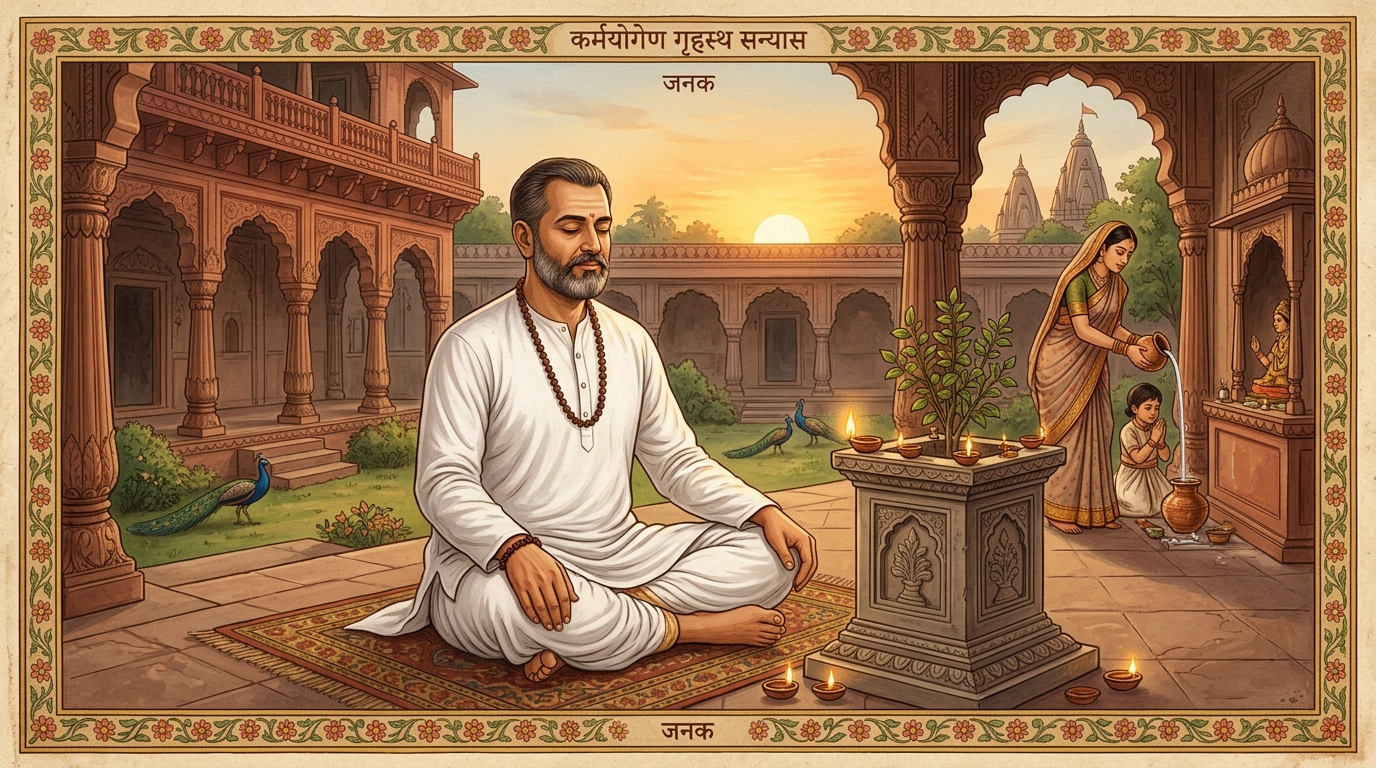
The Manusmriti and the Taittiriya Upanishad proclaim that just as all rivers flow into the mighty ocean, all spiritual paths depend upon the householder who provides food, shelter, and shelter for society. Yet, living closely with other human beings inevitably tests one patience. When spouses compete for dominance or hold unspoken resentments, the subtle atmosphere of the home becomes heavy, driving away peace and prosperity. Grihastha Sukha Sadhana approaches domestic harmony not as a magical coincidence, but as an active spiritual discipline (Dampatya Yoga). The primary practice consists of softening one speech (Satya and Madhura Vani), performing joint evening prayers, and establishing a daily habit of forgiveness. Meditating upon the divine archetypes of Lakshmi-Narayana and Shiva-Parvati teaches couples how masculine and feminine energies cooperate in mutual reverence. When the home is purified through sacred mantras, fragrant incense, and sincere gratitude, domestic irritation dissolves, financial strain becomes easier to bear with united courage, and children grow up in an aura of unshakeable emotional security.
The Sacred Ashram of the Householder: Living Dharma Under One Roof
Grihastha Sukha Sadhana (Household Harmony, Marital Peace & Family Dharma Upasana)
Sanctum Sacred Representation
Restoration of Marital Affection
Peaceful Domestic Atmosphere
Cultivation of Sweet Speech (Madhura Vani)
Blessings of Lakshmi and Narayana
Definition & Spiritual Essence

What is Grihastha Sukha Sadhana (Household Harmony, Marital Peace & Family Dharma Upasana)?

Sacred essence, spiritual foundation, and scriptural truth

Authoritative Summary (Direct Essence)

Grihastha Sukha Sadhana is an authentic Vedic and Vaishnava devotional discipline designed to establish enduring peace, mutual affection, and spiritual alignment within the household. In the timeless philosophy of Sanatan Dharma, the householder stage (Grihastha Ashram) is celebrated as the sacred foundation of all human society, supporting monks, students, and elders alike. However, modern domestic life is frequently disrupted by misunderstandings, financial stress, unbridled egos, and restless irritability. Fully authorized for public householder practice in Avhigat Akhara, this gentle upasana invokes the loving grace of Sri Lakshmi and Lord Narayana. By harmonizing daily speech, cultivating selfless patience, sharing meals with gratitude, and reciting peace-bestowing hymns together, family members resolve bitter discord, rekindle marital tenderness, protect children from emotional distress, and transform the family dwelling into a luminous spiritual hermitage.

What is Grihastha Sukha Sadhana? Grihastha Sukha Sadhana is a gentle, uplifting devotional discipline centered on the worship of Sri Lakshmi-Narayana and the preservation of domestic peace. Open to all householders, it requires simple daily observances rather than ascetic penances. The practitioner sits facing East in the household altar area, dressed in clean, cheerful clothing. A pure cow ghee lamp is lit in the morning and at twilight. The altar is adorned with fresh fragrant flowers, fresh basil leaves, clean water, and offerings of sweets or fruit. The discipline incorporates reciting the Vishnu Sahasranama, Sri Suktam, or the Madhurashtakam, followed by three minutes of silent family prayer where members mentally forgive each other for any mistakes made during the day. The family commits to eating at least one meal together without digital screens, resolving disagreements with calm dialogue before sleeping, and practicing regular charity. Within a few weeks of consistent practice, toxic tensions melt away, mutual affection blossoms, and the household radiates unshakeable joy and peace.
Spiritual Purpose & Inner Evolution

Why is Grihastha Sukha Sadhana (Household Harmony, Marital Peace & Family Dharma Upasana) Practiced?

Core spiritual purposes, inner purification, and consciousness evolution

Mental Stillness & Focus

Daily japa and meditative contemplation calm wandering thoughts, fostering sharp inward awareness and emotional balance.

Spiritual Fortitude & Energy Balance

Authentic sacred kavacha and nyasa practices protect subtle vitality from negative inclinations, fear, and distraction.

Cultivation of Sattvic Discernment

Helps dissolve pride, resentment, and restlessness, strengthening humility, discernment, and spiritual surrender.

Inner Realization & Lineage Grace

Not an outward exhibition, but an inward journey toward self-realization sheltered under authentic monastic lineage guidance.

Tattvik Insight & Philosophy

Spiritual Significance & Philosophy

Philosophical essence and the science of internal transformation

“The spiritual significance of Grihastha Sukha Sadhana is that enlightenment does not require escaping to distant mountain caves. The greatest temple is your own home, and your family members are the living divine souls placed in your care. Conquering your own impatience and serving your family with selfless love is the highest form of Yoga.”
Avhigat Akhara Monastic Wisdom
Seeker Eligibility & Suitability

Who is This Sadhana For?

Eligibility criteria, seeker temperament, and prerequisite guidance

Sincere Seekers

Individuals seeking daily focus, spiritual discipline, and quiet inward balance without complex rituals.

Householders

Practitioners balancing work, family, and social obligations while following a pure satvik spiritual path.

Disciplined Initiates

Dedicated practitioners who have mastered basic disciplines and wish to undertake formal anusthana under Guru Diksha.

Importance of Lineage Grace & Approval

Tantrik, Mahavidya, and advanced dhyana disciplines should not be initiated whimsically without lineage permission and proper understanding.

Seeker Discretion Notice

Who Should Take Lineage Guidance First?

Lineage Principle: Practice preserves sanctity and protects seekers when guided authentically

This practice is completely safe, sattvic, and harmonizing. It carries no negative effects whatsoever. Both husband and wife, or either spouse alone, can perform it. It must never be performed with manipulative thoughts to dominate or force another person will; true harmony grows only in the soil of mutual freedom and respect. Essential spiritual safety precautions must be followed during Grihastha Sukha Sadhana (Household Harmony, Marital Peace & Family Dharma Upasana). The seeker must never undertake this practice with malicious intent to harm, manipulate, or dominate another human being. Authentic scriptures emphasize that spiritual laws respond to the purity of the heart; holding hatred or ill will while reciting sacred verses brings severe mental distress and karmic burden. If you notice signs of agitation, arrogance, or restlessness, pause the intensive japa, drink pure water, engage in selfless service at an ashram or temple, and consult your spiritual mentor for balanced guidance.
Request Lineage Guidance Consultation Avhigat Akhara upholds the sacred decorum of traditional Diksha and guided practice.
Origins, Tradition & Guru Parampara

Historical Origins & Guru Parampara

Authentic scriptural foundation and unbroken monastic transmission

Traditional Origins

The sanctity of the home is extolled in the Rigvedic marriage hymns (Rigveda 10.85), the Atharvaveda Sammanasyam Sukta (Hymn of Family Concord), and the Grihya Sutras. These ancient texts contain sacred verses chanted to bind the hearts of husband and wife in enduring unity, loyalty, and spiritual companionship across lifetimes. In the historical development of classical Sanatan spiritual practices, the discipline of Grihastha Sukha Sadhana (Household Harmony, Marital Peace & Family Dharma Upasana) represents the systematic alignment of personal moral responsibility with internal contemplative energy. Classical masters taught that outer human life is a mirror of inner consciousness. When an individual harbors unresolved fear, hatred, or excessive greed, the subtle life currents become turbulent, manifesting as external obstacles, bitter conflicts, and mental distress. Rather than turning to destructive rituals, superstition, or quick magical fixes, ancient yogic preceptors developed rigorous contemplative disciplines that dissolve negative karmic knots at their energetic root. The living lineage of Avhigat Akhara has safeguarded these classical guidelines across generations, maintaining a clear distinction between authentic spiritual devotion and sensational folklore.

Scriptural Authority

Foundational authorities include the Atharvaveda (3.30 - Sammanasyam Sukta), the Vishnu Purana (Book 3 on Grihastha Dharma), and the Valmiki Ramayana depicting the ideal partnership of Rama and Sita. The Atharvaveda prays: Let there be no hatred between brother and brother, sister and sister; united in purpose, speak with sweet words. Classical scriptural treatises offer deep philosophical insights into the internal mechanics of Grihastha Sukha Sadhana (Household Harmony, Marital Peace & Family Dharma Upasana). Foundational texts from the Vedic, Puranic, and Yogic traditions explain that genuine spiritual attainments are not intended for personal pride or commercial gain, but for awakening equanimity, devotion, and detachment. Through patient practice, regular study of sacred literature, and honest contemplation, the earnest student uncovers the divine presence residing within the lotus of the heart, transcending the temporary illusions of worldly gain and loss.

Monastic Lineage Shelter

In Avhigat Akhara, preceptors teach that an unhappy home is the primary obstacle to spiritual realization. If a disciple meditates for hours but screams at their spouse, their meditation is a farce. Masters instruct seekers to first heal their domestic bonds before seeking advanced esoteric initiations. Within the pedagogical tradition of Avhigat Akhara, Grihastha Sukha Sadhana (Household Harmony, Marital Peace & Family Dharma Upasana) is taught as an inward journey of self-purification and moral strength. Senior acharyas remind seekers that outer ceremonies produce no lasting spiritual fruit if the practitioner continues to practice deceit, cruelty, or selfishness in daily relationships. Disciples are encouraged to practice daily self-reflection, examining their thoughts, words, and deeds before retiring to sleep. By cultivating sincere humility, compassion, and truthful living, the seeker turns every moment of practical life into an offering of devotion, ensuring that the spiritual energy gained during sadhana blossoms as wisdom, genuine kindness, and unshakeable peace.
Pujya Guru Ji Maharaj - Avhigat Akhara
Guidance by Pujya Guru Ji Maharaj
“Where the wife is honored and the husband is respected, the gods themselves dance with joy and prosperity never leaves the threshold.”

Do not look for defects in your spouse, my child; look at your own shortcomings and correct them with love. When you pour water upon fire, the blaze dies down; when you pour angry words upon anger, the house burns. Be the cooling water of patience in your family. Senior spiritual masters of Avhigat Akhara impart essential contemplative advice regarding Grihastha Sukha Sadhana (Household Harmony, Marital Peace & Family Dharma Upasana). They teach that steady progress is achieved not by sudden emotional outbursts or extreme austerities, but through humble, consistent devotion offered each day with a calm mind and pure conscience. Do not allow modern worldly distractions to shake your resolve. Trust in the timeless guidance of your preceptor, abide in sacred truthfulness, and know that every sincere step you take on this spiritual path brings lasting blessings.

Preparation & Sacred Disciplines

Preparation & Sacred Disciplines

Essential guidelines, satvik habits, and sanctum preparations

01

Altar Cleaning and Flower Arrangement

Recommended

Wipe the home altar with fresh water, spread a clean yellow or red cloth, and place fresh flowers.

02

Cow Ghee Deepa Lighting

Recommended

Light a pure cow ghee lamp before images of Sri Lakshmi-Narayana or Sita-Rama.

03

Offering of Fresh Tulsi and Sweets

Recommended

Offer fresh Tulsi leaves, clean water, and fruit or milk sweets with devotion.

04

Recitation of Sri Suktam or Madhurashtakam

Recommended

Chant the hymn with a cheerful heart, feeling the divine presence sanctifying every corner of your home.

05

Collective Family Peace Prayer

Recommended

Fold your hands together and pray for mutual love, good health, and long-lasting family unity.

Practice Progression & Stages

Practice Progression & Stages

Systematic pathway from preliminary understanding to final sanctum offering

01

Krodha Shamana (Quieting of Rage)

Sudden angry outbursts and shouting matches subside; a cooling calm enters household conversations.

02

Samvaada Jagran (Restoration of Dialogue)

Spouses and family members begin talking openly, listening patiently without defensive hostility.

03

Sauharda Vriddhi (Growth of Affection)

Warmth, affectionate humor, and selfless mutual care return to everyday household interactions.

04

Ananda Nilaya (Abode of Joy Established)

The home becomes a true spiritual sanctuary where guests feel peaceful and family members thrive.

Daily Practice Discipline & Niyama

Daily Practice Discipline & Routine

Sanctum steadfastness: One Time, One Altar, and Inner Purity

Rule
Recommended

Open Householder Practice

Rule
Recommended

Pure Cow Ghee Lamp Lighting

Rule
Recommended

Daily Practice of Madhura Vani

Rule
Recommended

Mutual Evening Forgiveness

Rule
Recommended

Shared Technology-Free Meals

Rule
Recommended

Chanting of Sri Suktam or Vishnu Hymns

Rule
Recommended

Generosity Toward Living Beings

Rule
Recommended

Clean and Clutter-Free Sanctuary

Sacred Cautions & Safety Guidelines

Common Mistakes & Sacred Cautions

Safeguarding seekers against mispronunciation, haste, and unauthorized practices

Reciting mantras in the morning and screaming insults at family members in the evening.

Correct Lineage Guidance: Make sweet, respectful speech your primary ongoing sadhana throughout the entire day.

Using sadhana to demand obedience or to control your spouse financial independence.

Correct Lineage Guidance: Respect your spouse dignity, freedom, and feelings as your equal spiritual partner.

Refusing to apologize when you have made an obvious mistake.

Correct Lineage Guidance: Say sorry quickly and sincerely; humble apology dissolves conflict in seconds.

Dragging outside relatives into private marital arguments.

Correct Lineage Guidance: Resolve differences privately between husband and wife with calm affection.

Authentic Seeker Inquiries

Authentic Questions Asked by Seekers

Direct, practical answers grounded in verified tradition and authentic lineage wisdom

Can I practice this if my spouse refuses to join me?
Yes. Even if one spouse practices with patience, sweet speech, and devotion, the subtle atmosphere of the home shifts dramatically and softens the other partner.
How soon can we expect domestic arguments to reduce?
Usually within two to three weeks of sincere practice, as speech becomes gentler and the ghee lamp clears heavy negative vibrations.
What should we do if our house is very small and noisy?
Sadhana requires sincerity, not grand space. Even a clean corner with a small lamp and ten minutes of honest devotion is sufficient.
Can this sadhana resolve in-law conflicts?
Yes. Practicing respect, serving water and food politely, and refusing to argue calms tensions with in-laws very effectively.
Frequently Asked Questions

Frequently Asked Questions

Authentic answers to common queries regarding initiation, timing, and practice

To eliminate domestic discord, strengthen marital love, and transform the home into a peaceful sanctuary through the blessings of Lakshmi-Narayana.

YOUR SACRED NEXT STEP

Ready to Begin Grihastha Sukha Sadhana (Household Harmony, Marital Peace & Family Dharma Upasana)?

Follow the authentic Vedic and monastic path under lineage guidance before starting your practice.

Guidance Recommended

Guru Guidance & Diksha Consultation

This sacred practice requires initiation and protective mantra guidance from the authentic monastic lineage before regular practice.

Direct connection with Avhigat Akhara.
Enquiry Open

Grihastha Sukha Sadhana (Household Harmony, Marital Peace & Family Dharma Upasana) Guided Training

Learn step-by-step mantra japa, mudras, and nyasa under authentic Acharyas through our guided monastic batches.

Batch curriculum and registration dates announced periodically.
Approved Paraphernalia

Grihastha Sukha Sadhana (Household Harmony, Marital Peace & Family Dharma Upasana) Sacred Essentials

View consecrated Jap Malas, consecrated Yantras, Kusha asanas, and authentic sadhana kits approved by Avhigat Akhara.

Consecrated items energized per scriptural traditions.
View Sadhana Essentials
Sacred Sanctum Essentials

Sacred Essentials & Sanctum Items

Consecrated items traditionally used to support meditation, focus, and sanctum discipline

Tradition & Guidance Advisory

Use of Mala, Yantra, Kit or other materials can vary by practice. Follow the guidance given for your Sadhana.

Essential Checklist Before Practice
Vedic Sequence
1
1. Guidance
Guru Guidance
Consult
2
2. Mala
Consecrated Mala
View ↓
3
3. Yantra
Sanctum Yantra
View ↓
4
4. Kit
Sadhana Kit
View ↓
5
5. Asan
Pure Woolen Asan
View ↓
Mala Sacred Tool

Consecrated Haldi / Tulsi Japa Mala

108 knotted beads consecrated according to Vedic rites.

Yantra Sanctum Item

Handcrafted Copper Yantra Plate

Sacred geometric plate for sanctum meditation and focus.

Asan Daily Practice

Pure Woolen Meditation Asana

Traditional insulation mat to preserve spiritual energy.

॥ श्री गुरु चरण सरोज रज ॥

One-to-One Samasya Samadhan

Confidential Guidance

Private guidance from Guru Ji and the Akhara's guides. Choose what you need help with.