Avhigat Akhara
Traditional Ascetic Hermitage & Vedic Lineage
Preserving Eternal Sanatan Dharma and Divine Guru Parampara
Membership Contact Us
Veer, Betaal & Special Sadhana › Shabar Mantra & Nath Siddha Disciplines

Shabar Mantra Sadhana — The Direct Spoken Science of the Nath Siddhas

Shabar Mantra Sadhana is the direct, vernacular acoustic tradition formulated by Guru Gorakhnath, Matsyendranath, and the immortal Navnath Siddhas of Sanatan Dharma. Unlike classical Vedic mantras that demand rigid Sanskrit pronunciation, complex grammatical rules, and long sacrificial rituals, Shabar mantras were composed in simple, colloquial dialects so that ordinary farmers, artisans, and seekers of all backgrounds could access divine protection and spiritual awakening. The word Shabar originally referred to the ancient forest-dwelling tribes of India, symbolizing simplicity, natural innocence, and freedom from academic pretension. The unique power of a Shabar mantra does not rely on mechanical acoustic resonance alone; it operates through the living spiritual authority (Aan) and sacred oath of Lord Shiva, Mata Parvati, and Guru Gorakhnath. In Avhigat Akhara, this tradition is taught with strict ethical boundaries, keeping it centered on healing, fearlessness, and devotion, while completely eliminating low village superstitions and destructive spells.

Level: Beginner
Vedic
Guru Diksha Required
Shabar Mantra Sadhana
Sacred Deity Sanctum Darshan Consecrated Murti
Divine Origin & Spiritual Identity

The Origin & Energetic Architecture of Shabar Mantras

Spoken in Common Tongue, Sealed by the Oath of Lord Shiva

The manifestation of Shabar mantras marks one of the most compassionate revolutions in the history of Indian spiritual practice. During the medieval period, common people were often excluded from studying classical scriptures due to strict caste restrictions, complex Sanskrit grammar, and the high financial cost of grand Vedic fire sacrifices. Witnessing the suffering, illness, and superstition of the masses, Guru Gorakhnath approached Lord Shiva at Mount Kailash, praying for a spiritual technology that would grant immediate relief and protection to any human being, regardless of birth or education. Lord Shiva granted this boon, declaring that mantras spoken in ordinary village dialects would carry immediate potency because they would be sealed with his own divine oath. This is why classical Shabar mantras frequently end with binding phrases invoking the authority of Shiva, Hanuman, or Gorakhnath. In spiritual physics, a Shabar mantra functions like a direct decree from a royal court. When the seeker recites the words with heartfelt faith and unshakeable conviction, the spiritual authority embedded within the syllables activates instantly, dispelling negative vibrations, curing scorpion or snake bites, clearing mental fears, and establishing a protective field around the home. However, traditional masters warn that this direct power demands absolute personal integrity. If a practitioner speaks lies in daily life, breaks promises, or attempts to use a Shabar mantra to harm another creature, the sacred energy rebounds immediately upon the caller, causing severe misfortune. In Avhigat Akhara, students are taught that simplicity of heart is the greatest credential for mastering this ancient oral science. The Nath masters established village shelters where common laborers could rest, receive herbal decoctions, and chant these short verses together, demonstrating that real spirituality is inseparable from community service and compassionate healthcare.
The Origin & Energetic Architecture of Shabar Mantras
Shabar Mantra Sadhana
Sanctum Sacred Representation
Spoken Vernacular Language
Empowered by Divine Oath (Aan)
Healing and Protective Purpose
Requirement of Absolute Truthfulness
Definition & Spiritual Essence

What is Shabar Mantra Sadhana?

Sacred essence, spiritual foundation, and scriptural truth

Authoritative Summary (Direct Essence)

Shabar Mantra Sadhana is the direct, vernacular acoustic tradition formulated by Guru Gorakhnath, Matsyendranath, and the immortal Navnath Siddhas of Sanatan Dharma. Unlike classical Vedic mantras that demand rigid Sanskrit pronunciation, complex grammatical rules, and long sacrificial rituals, Shabar mantras were composed in simple, colloquial dialects so that ordinary farmers, artisans, and seekers of all backgrounds could access divine protection and spiritual awakening. The word Shabar originally referred to the ancient forest-dwelling tribes of India, symbolizing simplicity, natural innocence, and freedom from academic pretension. The unique power of a Shabar mantra does not rely on mechanical acoustic resonance alone; it operates through the living spiritual authority (Aan) and sacred oath of Lord Shiva, Mata Parvati, and Guru Gorakhnath. In Avhigat Akhara, this tradition is taught with strict ethical boundaries, keeping it centered on healing, fearlessness, and devotion, while completely eliminating low village superstitions and destructive spells.

Shabar Mantra Sadhana is preserved in Avhigat Akhara as a practical, dignified, and highly respected discipline. Modern urban culture often looks down upon Shabar mantras as primitive village superstition or crude folklore. The Acharyas of our lineage firmly reject this superficial prejudice, showing that Shabar mantras embody the purest essence of spoken yoga (Vak Yoga). The practice does not require costly paraphernalia, rare gemstones, or complex temple setups. The student begins by establishing a clean, simple space in the home, sitting on a natural woolen blanket or grass mat facing East or North. A clean brass lamp of mustard oil or pure cow ghee is lit before an image of Lord Shiva, Guru Gorakhnath, or Lord Hanuman. The seeker drinks three sips of water for self-purification, bows to the Guru lineage, and begins the rhythmic chanting of the prescribed Shabar verses. Because the syllables are in spoken language, the practitioner intellect easily comprehends the direct meaning, preventing the mind from wandering into distraction. The repetition is done with rhythmic firmness and deep emotional conviction, feeling the living presence of the Nath masters standing guard over the prayer. Over weeks of steady morning practice, the seeker develops a powerful sense of inner safety, physical stamina, and quiet mental confidence. Distressing nightmares, chronic nervous hesitation, and feelings of helplessness vanish completely. The practitioner presence becomes a source of healing and comfort to troubled neighbors, weeping children, and sick family members, demonstrating the true, compassionate purpose for which Guru Gorakhnath gifted these mantras to humanity. In addition, seekers learn to respect local flora and sacred trees such as Neem, Peepal, and Banyan, which traditional Nath healers used in conjunction with these spoken verses to heal fevers, skin infections, and emotional hysteria.
Spiritual Purpose & Inner Evolution

Why is Shabar Mantra Sadhana Practiced?

Core spiritual purposes, inner purification, and consciousness evolution

Mental Stillness & Focus

Daily japa and meditative contemplation calm wandering thoughts, fostering sharp inward awareness and emotional balance.

Spiritual Fortitude & Energy Balance

Authentic sacred kavacha and nyasa practices protect subtle vitality from negative inclinations, fear, and distraction.

Cultivation of Sattvic Discernment

Helps dissolve pride, resentment, and restlessness, strengthening humility, discernment, and spiritual surrender.

Inner Realization & Lineage Grace

Not an outward exhibition, but an inward journey toward self-realization sheltered under authentic monastic lineage guidance.

Tattvik Insight & Philosophy

Spiritual Significance & Philosophy

Philosophical essence and the science of internal transformation

“The lasting significance of Shabar Mantra Sadhana is the democratization of divine grace. It proves that God does not belong only to scholars, grammarians, or wealthy patrons who can afford elaborate ceremonies. The Divine Mother and Lord Shiva listen to the sincere cry of a humble heart, whether spoken in classical Sanskrit or in the dialect of a simple farmer. Shabar sadhana restores dignity to ordinary human speech and reconnects seekers with the rugged, earthy wisdom of the soil. In our modern age of artificial sophistication and disconnected intellectuals, this down-to-earth sadhana serves as a cleansing shower of reality. It reminds us that spiritual power does not depend on fancy diplomas or eloquent lectures, but on clean hands, honest labor, and a heart that genuinely cares for the welfare of all living beings. When practiced with dedication, it anchors the soul in absolute fearlessness, proving that authentic faith can dissolve any obstacle without expensive rituals.”
Avhigat Akhara Monastic Wisdom
Seeker Eligibility & Suitability

Who is This Sadhana For?

Eligibility criteria, seeker temperament, and prerequisite guidance

Sincere Seekers

Individuals seeking daily focus, spiritual discipline, and quiet inward balance without complex rituals.

Householders

Practitioners balancing work, family, and social obligations while following a pure satvik spiritual path.

Disciplined Initiates

Dedicated practitioners who have mastered basic disciplines and wish to undertake formal anusthana under Guru Diksha.

Importance of Lineage Grace & Approval

Tantrik, Mahavidya, and advanced dhyana disciplines should not be initiated whimsically without lineage permission and proper understanding.

Seeker Discretion Notice

Who Should Take Lineage Guidance First?

Lineage Principle: Practice preserves sanctity and protects seekers when guided authentically

WARNING: Never recite distorted Shabar mantras found in cheap street pamphlets that promise to destroy enemies, force someone to love you, or extract hidden treasures. Such negative rites are grave spiritual crimes that bring madness, family discord, and severe karmic backlash. In Avhigat Akhara, Shabar practices are used exclusively for healing, self-defense, and devotional peace. Seekers should also avoid fasting to the point of extreme weakness or practicing in cemetery grounds at midnight. Cleanliness, simple vegetarian food, and honest living are the true shields that keep the seeker mind balanced, fearless, and spiritually grounded. If you ever feel heavy or restless, drink warm water, wash your feet with fresh cool water, and repeat the Hanuman Chalisa with peaceful devotion.
Request Lineage Guidance Consultation Avhigat Akhara upholds the sacred decorum of traditional Diksha and guided practice.
Origins, Tradition & Guru Parampara

Historical Origins & Guru Parampara

Authentic scriptural foundation and unbroken monastic transmission

Traditional Origins

The historical tradition of Shabar mantras originated in the 9th to 11th century CE with Matsyendranath and Gorakhnath, spreading rapidly across North India, Bengal, Assam, and Maharashtra through the traveling Nath ascetics. It was later enriched by medieval saint-poets such as Kabir, Tulsidas, and the Siddha poets of Nepal. Avhigat Akhara preserves ancient handwritten pothis containing original Gorakhnath Shabar compositions, maintaining their pure acoustic phrasing untouched by modern commercial print alterations. Monastic oral tradition records that during the harsh monsoons and floods of the Gangetic plains, Nath yogis established free herbal dispensaries and chanting circles in flooded villages, proving that these spoken verses were always tied to practical public health and moral upliftment.

Scriptural Authority

Documented in the Goraksha Samhita, Siddha Siddhanta Paddhati, Gorakh Bodh, and regional Nath Charitras. These classical texts state that sincere faith and moral purity are the only keys required to awaken the latent fire of Shabar mantras.

Monastic Lineage Shelter

Preserved within Avhigat Akhara as an open, educational record honoring the Nath Siddhas. The lineage teaches that students must combine Shabar recitation with daily honesty, selfless community seva, and respect for nature.
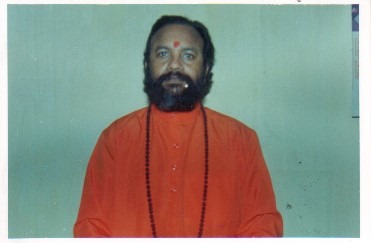
Pujya Guru Ji Maharaj - Avhigat Akhara
Guidance by Pujya Guru Ji Maharaj
“The language does not matter to God; only the truth in your heart matters. Speak with honesty, and even your ordinary words will become as powerful as a Shabar mantra.”

The elders teach that a Shabar mantra is like a sharp iron tool. In the hands of a surgeon, it cures disease; in the hands of a criminal, it causes harm. Keep your intentions pure, love all living beings, and use your voice only to bless and comfort others.

Preparation & Sacred Disciplines

Preparation & Sacred Disciplines

Essential guidelines, satvik habits, and sanctum preparations

01

Ablution of Body and Mouth

Recommended

Wash your hands, feet, and face with cool water, rinsing your mouth three times with clean water.

02

Lighting the Diya

Recommended

Light a steady brass lamp of mustard oil or cow ghee, praying for the removal of all darkness.

03

Guru Gorakhnath Salutation

Recommended

Offer three silent prostrations to Guru Gorakhnath and the Navnath masters, seeking their blessing.

04

Centering the Breath

Recommended

Take five deep breaths into the abdomen, feeling your feet and hips rooted firmly into the earth.

05

Holding the Rosary with Reverence

Recommended

Touch your consecrated rudraksha mala to your forehead and chest before beginning recitation.

Practice Progression & Stages

Practice Progression & Stages

Systematic pathway from preliminary understanding to final sanctum offering

01

Vani Shuddhi (Speech Cleansing)

Habitual lying, exaggeration, and gossip fall away from daily speech as the throat center purifies.

02

Nirbhaya Sthiti (Fearless State)

Superstitious fears, night terrors, and social nervousness dissolve completely under the Nath blessing.

03

Prana Bal (Vital Stamina)

The physical body experiences enhanced immune vitality, sound sleep, and tireless daily stamina.

04

Shabar Siddhi (Awakened Word)

The spoken word carries quiet spiritual authority, bringing peace and healing to those who hear it.

Daily Practice Discipline & Niyama

Daily Practice Discipline & Routine

Sanctum steadfastness: One Time, One Altar, and Inner Purity

Rule
Recommended

The Vow of Truthfulness (Satya)

Rule
Recommended

Reverence for Guru Gorakhnath

Rule
Recommended

Protection of the Helpless

Rule
Recommended

Rejection of Destructive Rites

Rule
Recommended

Sattvic Living

Rule
Recommended

Daily Offering of Fresh Water

Rule
Recommended

Contentment with Honest Means

Rule
Recommended

Steadfast Courage

Sacred Cautions & Safety Guidelines

Common Mistakes & Sacred Cautions

Safeguarding seekers against mispronunciation, haste, and unauthorized practices

Using Shabar mantras to curse, threaten, or dominate others.

Correct Lineage Guidance: Direct your sadhana solely toward healing and inner strength; curses destroy the caller first.

Reciting mantras while telling lies in daily life.

Correct Lineage Guidance: Recognize that falsehood in speech instantly extinguishes the power of a Shabar mantra.

Buying so-called energized amulets from commercial astrologers.

Correct Lineage Guidance: Real spiritual power comes from your own disciplined practice and moral integrity.

Chanting in dirty surroundings or without washing.

Correct Lineage Guidance: Always maintain clean clothing and a spotless, well-swept prayer corner.

Authentic Seeker Inquiries

Authentic Questions Asked by Seekers

Direct, practical answers grounded in verified tradition and authentic lineage wisdom

Why are Shabar mantras in regional languages instead of Sanskrit?
Guru Gorakhnath composed them in spoken dialects so that ordinary working people without Sanskrit education could directly connect with divine protection and healing.
What does Aan mean in a Shabar mantra?
Aan means an oath or sacred command. It binds the energy of the mantra to the spiritual authority of Lord Shiva, Hanuman, or Guru Gorakhnath.
Can women practice Shabar Mantra Sadhana?
Yes. The Nath tradition teaches that divine grace is universal and available to all sincere seekers regardless of gender.
Do Shabar mantras require Guru Diksha?
While simple healing verses can be chanted with devotion, serious anushthan should always be guided by an experienced elder to ensure proper ethical boundaries.
Frequently Asked Questions

Frequently Asked Questions

Authentic answers to common queries regarding initiation, timing, and practice

Pure mustard oil (Sarson ka tel) or pure cow ghee is traditionally recommended.

YOUR SACRED NEXT STEP

Ready to Begin Shabar Mantra Sadhana?

Follow the authentic Vedic and monastic path under lineage guidance before starting your practice.

Guidance Recommended

Guru Guidance & Diksha Consultation

This sacred practice requires initiation and protective mantra guidance from the authentic monastic lineage before regular practice.

Direct connection with Avhigat Akhara.
Enquiry Open

Shabar Mantra Sadhana Guided Training

Learn step-by-step mantra japa, mudras, and nyasa under authentic Acharyas through our guided monastic batches.

Batch curriculum and registration dates announced periodically.
Approved Paraphernalia

Shabar Mantra Sadhana Sacred Essentials

View consecrated Jap Malas, consecrated Yantras, Kusha asanas, and authentic sadhana kits approved by Avhigat Akhara.

Consecrated items energized per scriptural traditions.
View Sadhana Essentials
Sacred Sanctum Essentials

Sacred Essentials & Sanctum Items

Consecrated items traditionally used to support meditation, focus, and sanctum discipline

Tradition & Guidance Advisory

Use of Mala, Yantra, Kit or other materials can vary by practice. Follow the guidance given for your Sadhana.

Essential Checklist Before Practice
Vedic Sequence
1
1. Guidance
Guru Guidance
Consult
2
2. Mala
Consecrated Mala
View ↓
3
3. Yantra
Sanctum Yantra
View ↓
4
4. Kit
Sadhana Kit
View ↓
5
5. Asan
Pure Woolen Asan
View ↓
Mala Sacred Tool

Consecrated Haldi / Tulsi Japa Mala

108 knotted beads consecrated according to Vedic rites.

Yantra Sanctum Item

Handcrafted Copper Yantra Plate

Sacred geometric plate for sanctum meditation and focus.

Asan Daily Practice

Pure Woolen Meditation Asana

Traditional insulation mat to preserve spiritual energy.

॥ श्री गुरु चरण सरोज रज ॥

One-to-One Samasya Samadhan

Confidential Guidance

Private guidance from Guru Ji and the Akhara's guides. Choose what you need help with.