
Lord Narsingh Sadhana — Supreme Protector of Faith & Vanquisher of Pride
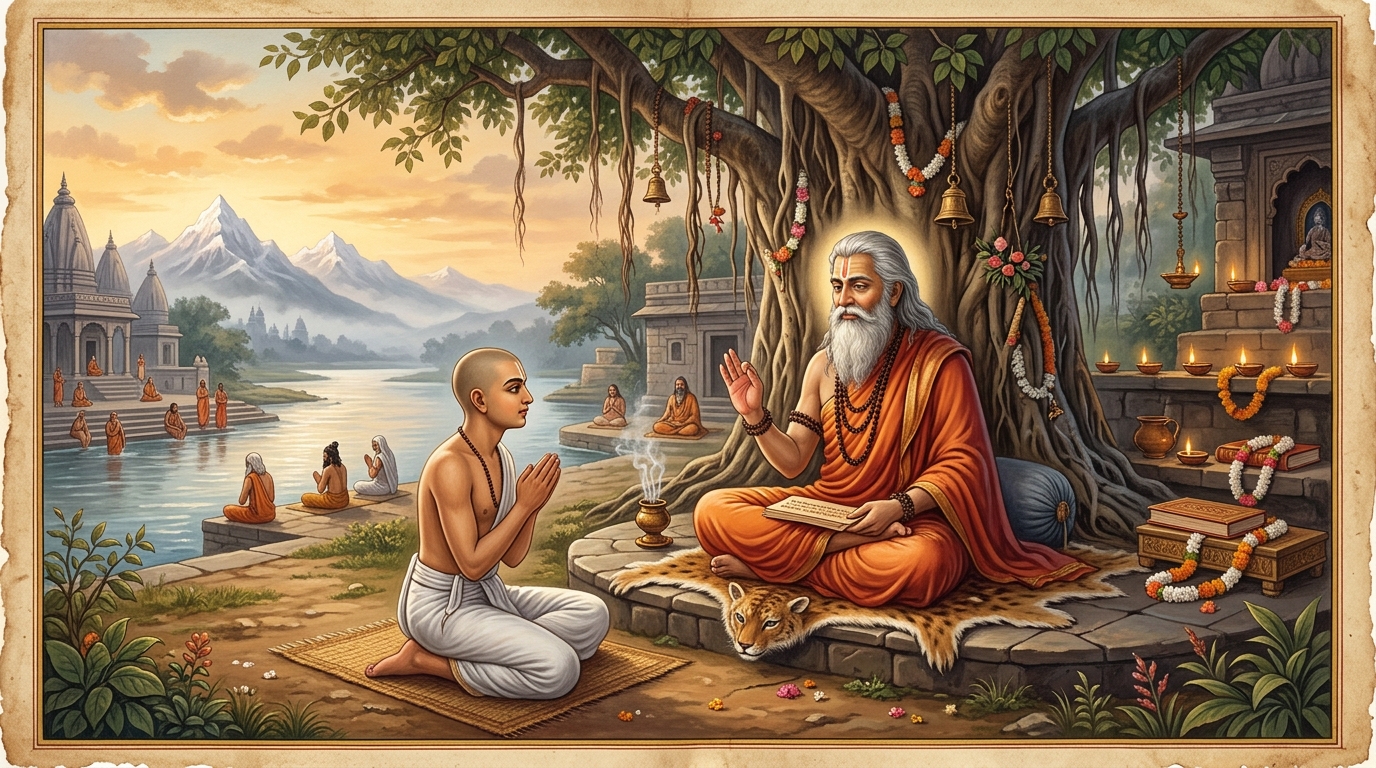
Lord Narsingh Sadhana is an extraordinary, protective spiritual discipline centered on Lord Narasimha, the fourth divine incarnation (Avatar) of Lord Vishnu, manifesting as the half-man, half-lion supreme savior of devotees. Emerging spontaneously from a stone pillar to protect child Prahlada and vanquish the demonic tyrant Hiranyakashipu, Lord Narasimha embodies the fierce, unstoppable intervention of divine grace when righteousness is threatened by extreme tyranny. In the authentic tradition of Avhigat Akhara, Narsingh Sadhana is not an aggressive or frightening ritual; it is a sacred fortress of pure faith that dissolves paralyzing anxiety, burns away deep-seated negative karma, shatters internal arrogance, and shields the sincere devotee from all external and astral harm.
Who is Lord Narsingh?
The Divine Man-Lion — Supreme Savior of True Devotion and Destroyer of Tyranny
What is Lord Narsingh Sadhana?
Sacred essence, spiritual foundation, and scriptural truth
Lord Narsingh Sadhana is an extraordinary, protective spiritual discipline centered on Lord Narasimha, the fourth divine incarnation (Avatar) of Lord Vishnu, manifesting as the half-man, half-lion supreme savior of devotees. Emerging spontaneously from a stone pillar to protect child Prahlada and vanquish the demonic tyrant Hiranyakashipu, Lord Narasimha embodies the fierce, unstoppable intervention of divine grace when righteousness is threatened by extreme tyranny. In the authentic tradition of Avhigat Akhara, Narsingh Sadhana is not an aggressive or frightening ritual; it is a sacred fortress of pure faith that dissolves paralyzing anxiety, burns away deep-seated negative karma, shatters internal arrogance, and shields the sincere devotee from all external and astral harm.
Why is Lord Narsingh Sadhana Practiced?
Core spiritual purposes, inner purification, and consciousness evolution
Mental Stillness & Focus
Daily japa and meditative contemplation calm wandering thoughts, fostering sharp inward awareness and emotional balance.
Spiritual Fortitude & Energy Balance
Authentic sacred kavacha and nyasa practices protect subtle vitality from negative inclinations, fear, and distraction.
Cultivation of Sattvic Discernment
Helps dissolve pride, resentment, and restlessness, strengthening humility, discernment, and spiritual surrender.
Inner Realization & Lineage Grace
Not an outward exhibition, but an inward journey toward self-realization sheltered under authentic monastic lineage guidance.
Spiritual Significance & Philosophy
Philosophical essence and the science of internal transformation
“The spiritual significance of Lord Narsingh lies in his assurance that truth can never be defeated by worldly tyranny. When honest individuals face ruthless enemies, institutional corruption, or overwhelming life crises, human strength often feels inadequate. Lord Narsingh is that supreme divine reserve of power that steps into the breach, overturning impossible odds and establishing justice. He grants the seeker moral backbone and fearless conviction. The enduring significance of Lord Narsingh Sadhana in contemporary spiritual life lies in its capacity to restore emotional equilibrium. In times of widespread anxiety, economic uncertainty, and social fragmentation, this sacred practice acts as an anchor of calm certainty. By tuning awareness to the timeless divine principles embodied in this path, the seeker develops deep resilience against external turmoil, finding refuge in the unbroken sanctuary of the inner self.”
Who is This Sadhana For?
Eligibility criteria, seeker temperament, and prerequisite guidance
Individuals seeking daily focus, spiritual discipline, and quiet inward balance without complex rituals.
Practitioners balancing work, family, and social obligations while following a pure satvik spiritual path.
Dedicated practitioners who have mastered basic disciplines and wish to undertake formal anusthana under Guru Diksha.
Importance of Lineage Grace & Approval
Tantrik, Mahavidya, and advanced dhyana disciplines should not be initiated whimsically without lineage permission and proper understanding.
Who Should Take Lineage Guidance First?
Lineage Principle: Practice preserves sanctity and protects seekers when guided authentically
Historical Origins & Guru Parampara
Authentic scriptural foundation and unbroken monastic transmission
Traditional Origins
Scriptural Authority
Monastic Lineage Shelter
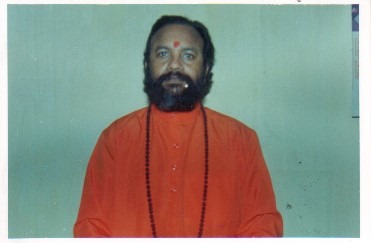
Our Acharyas teach that Prahlada did not ask God to kill his father; he only asked for unbroken remembrance of the Divine Name. In your Narsingh Sadhana, ask not for the destruction of outer mortals, but for the destruction of the doubts and fears in your own chest. When you rest in faith, Lord Narasimha holds you in his invincible lap.
Preparation & Sacred Disciplines
Essential guidelines, satvik habits, and sanctum preparations
Altar Sanctification
RecommendedClean a wooden chowki, spread a fresh yellow cloth, and install the Lakshmi-Narasimha image or yantra facing East.
Ganga Water Cleansing
RecommendedSprinkle holy Ganga water with sacred verses to sanctify the room and your prayer mat.
Lamp & Tulsi Offering
RecommendedLight a pure cow ghee lamp and offer fresh Tulsi leaves and yellow flowers.
Solar Plexus Breath Alignment
RecommendedBreathe steadily into the navel, feeling golden solar light radiating through every limb.
Lord Narasimha Dhyana
RecommendedVisualize the magnificent, lion-faced Lord seated on his throne, blessing you with fearless love.
Practice Progression & Stages
Systematic pathway from preliminary understanding to final sanctum offering
Arambha (Dissolution of Dread)
Chronic nightmares, irrational phobias, and nervous trembling quiet down under steady japa.
Shuddhi (Purification of the Heart)
Internal doubts and spiritual hesitations burn away in the fire of childlike faith.
Tejas (Awakening of Lion Courage)
The seeker mind becomes bold, resolute, and fearless in upholding truth in difficult circumstances.
Siddhi (Abidance in Divine Protection)
The seeker rests permanently in the protective presence of Narasimha, untouchable by worldly malice.
Daily Practice Discipline & Routine
Sanctum steadfastness: One Time, One Altar, and Inner Purity
Yellow Sacred Attire
Tulsi Mala Selection
Twilight Practice Timing
Daily Narsingh Kavach Recitation
Offering of Panakam (Jaggery Drink)
Strict Brahmacharya
Kindness to the Weak
Dedication to Righteousness
Common Mistakes & Sacred Cautions
Safeguarding seekers against mispronunciation, haste, and unauthorized practices
Chanting with vengeful anger against worldly enemies.
Correct Lineage Guidance: Pray exclusively for self-purification, legal truth, and divine protection.
Practicing in a casual, disrespectful, or hurried manner.
Correct Lineage Guidance: Sit with deep reverence, remembering that you stand before the King of kings.
Using animal-derived rosaries or synthetic beads.
Correct Lineage Guidance: Use strictly authentic, consecrated sacred Tulsi beads.
Neglecting the offering of cooling panakam or milk sweets.
Correct Lineage Guidance: Always offer sweet jaggery panakam or kheer with fresh Tulsi leaves.
Authentic Questions Asked by Seekers
Direct, practical answers grounded in verified tradition and authentic lineage wisdom
Frequently Asked Questions
Authentic answers to common queries regarding initiation, timing, and practice
Narasimha Jayanti (Vaishakha Shukla Chaturdashi) and Tuesdays or Thursdays during Shukla Paksha are the most powerful days to worship Lord Narasimha.
Related Sacred Sadhanas
Connected disciplines within this lineage and spiritual tradition
Sacred Essentials & Sanctum Items
Consecrated items traditionally used to support meditation, focus, and sanctum discipline
Use of Mala, Yantra, Kit or other materials can vary by practice. Follow the guidance given for your Sadhana.
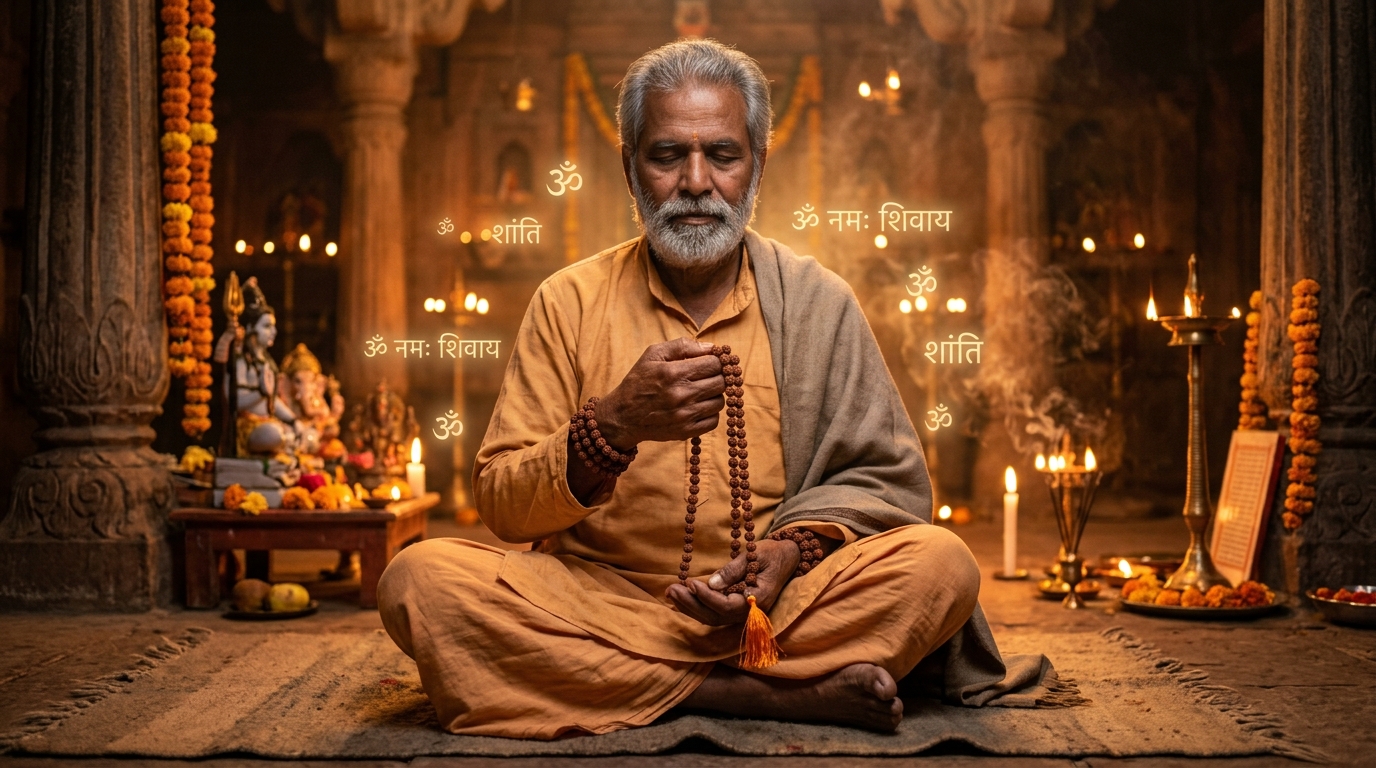
Consecrated Haldi / Tulsi Japa Mala
108 knotted beads consecrated according to Vedic rites.
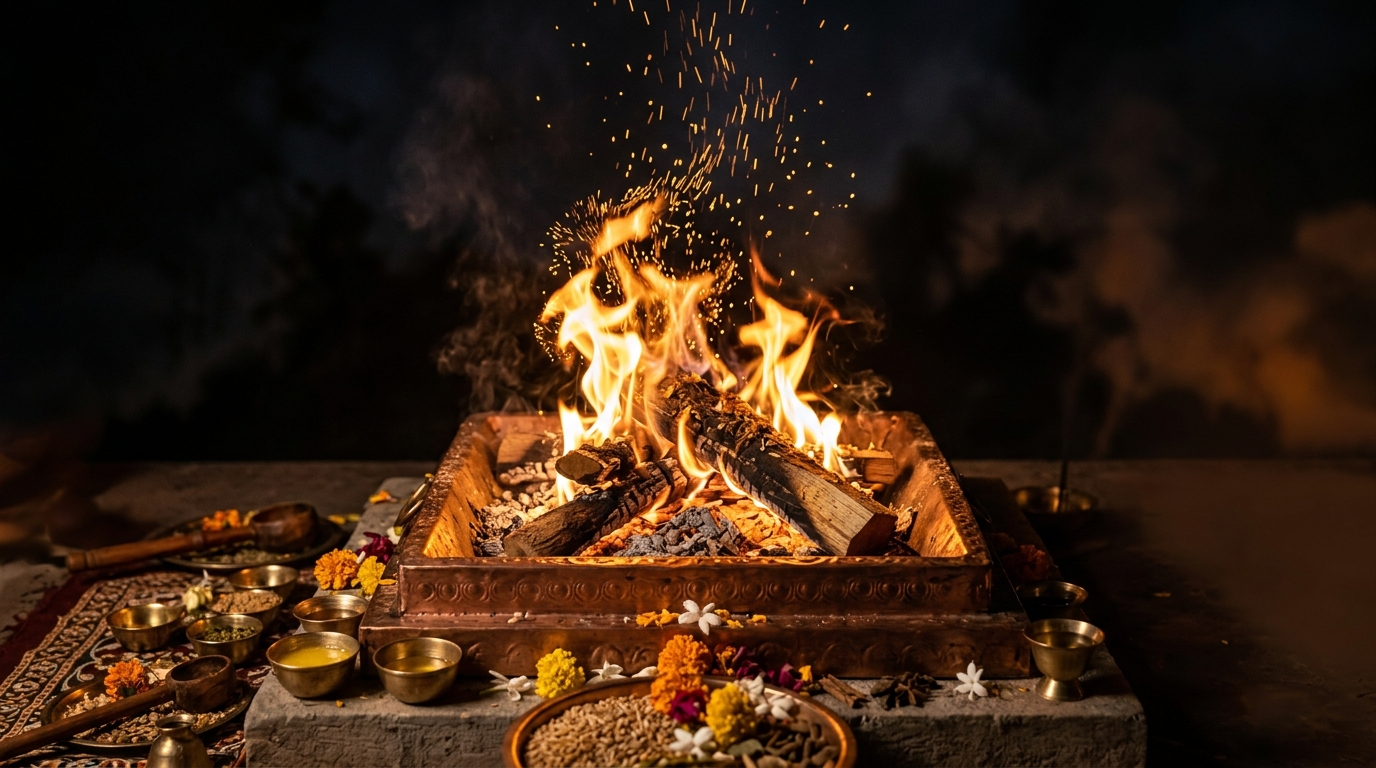
Handcrafted Copper Yantra Plate
Sacred geometric plate for sanctum meditation and focus.
Pure Woolen Meditation Asana
Traditional insulation mat to preserve spiritual energy.
Ask About This Sacred Item
Inquire with the sanctum team regarding consecration, authenticity, or practice usage.
