
Swasa Sadhana & Sacred Breath Meditation
Swasa Sadhana is the ancient science of using conscious breath awareness to anchor the restless mind into silent presence. The breath is the physical manifestation of Prana, the invisible cosmic life force that sustains all living beings. When your mind is angry, your breath becomes hot and ragged; when you are terrified, your breath catches; when you are in deep peaceful contemplation, your breath becomes barely perceptible. By reversing this relationship and calming the breath consciously, the practitioner gains immediate mastery over emotional storms and mental turbulence.
What is Swasa Sadhana?
The Living Bridge Between Body and Spirit

What is Swasa Sadhana & Prana Dhyan (Breath Awareness)?
Sacred essence, spiritual foundation, and scriptural truth
Swasa Sadhana is the ancient science of using conscious breath awareness to anchor the restless mind into silent presence. The breath is the physical manifestation of Prana, the invisible cosmic life force that sustains all living beings. When your mind is angry, your breath becomes hot and ragged; when you are terrified, your breath catches; when you are in deep peaceful contemplation, your breath becomes barely perceptible. By reversing this relationship and calming the breath consciously, the practitioner gains immediate mastery over emotional storms and mental turbulence.
Why is Swasa Sadhana & Prana Dhyan (Breath Awareness) Practiced?
Core spiritual purposes, inner purification, and consciousness evolution
Mental Stillness & Focus
Daily japa and meditative contemplation calm wandering thoughts, fostering sharp inward awareness and emotional balance.
Spiritual Fortitude & Energy Balance
Authentic sacred kavacha and nyasa practices protect subtle vitality from negative inclinations, fear, and distraction.
Cultivation of Sattvic Discernment
Helps dissolve pride, resentment, and restlessness, strengthening humility, discernment, and spiritual surrender.
Inner Realization & Lineage Grace
Not an outward exhibition, but an inward journey toward self-realization sheltered under authentic monastic lineage guidance.
Spiritual Significance & Philosophy
Philosophical essence and the science of internal transformation
“In the science of Swara Yoga and Prana Vidya, breath is recognized as the currency of lifespan. The ancient masters taught that a human lifespan is not measured in years, but in a fixed number of breaths allocated at birth. The tortoise breathes three to four times a minute and lives for centuries; the dog breathes forty times a minute and lives a dozen years. When you breathe fast and shallow in anger, you burn through your life force rapidly. When you practice Swasa Sadhana, your breathing rate drops effortlessly to six to eight breaths per minute. This prolongs physical vitality, preserves youthful energy, strengthens immunity, and provides the steady nervous stability required for meditation. Beyond physical health, the breath is the chariot of the mind. By taking hold of the reins of the breath, the practitioner prevents the wild horses of sensory cravings from driving the soul over the cliff of sorrow.”
Who is This Sadhana For?
Eligibility criteria, seeker temperament, and prerequisite guidance
Individuals seeking daily focus, spiritual discipline, and quiet inward balance without complex rituals.
Practitioners balancing work, family, and social obligations while following a pure satvik spiritual path.
Dedicated practitioners who have mastered basic disciplines and wish to undertake formal anusthana under Guru Diksha.
Importance of Lineage Grace & Approval
Tantrik, Mahavidya, and advanced dhyana disciplines should not be initiated whimsically without lineage permission and proper understanding.
Who Should Take Lineage Guidance First?
Lineage Principle: Practice preserves sanctity and protects seekers when guided authentically
Historical Origins & Guru Parampara
Authentic scriptural foundation and unbroken monastic transmission
Traditional Origins
Scriptural Authority
Monastic Lineage Shelter
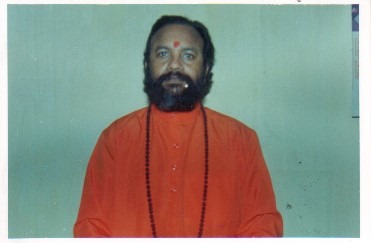
Guru Ji reminds disciples that you do not need to buy anything or travel anywhere to practice Swasa Sadhana. Your breath has been with you since the second you were born, and it will be with you until your last heartbeat. Make peace with your breath, and you make peace with the universe. Do not seek exotic visions; seek the quiet clarity of your own living breath.
Preparation & Sacred Disciplines
Essential guidelines, satvik habits, and sanctum preparations
Nasal Cleansing (Jala Neti or Blowing)
RecommendedBlow your nose gently into a clean tissue or practice warm saline Jala Neti to ensure both nostrils are completely clear.
Finding Your Center
RecommendedSit quietly for one minute without doing anything. Feel the weight of your body grounded securely upon the earth.
Relaxing Facial Muscles
RecommendedConsciously soften your brow, unclamp your teeth, relax your eyelids, and let your jaw drop slightly into peaceful rest.
Setting the Witness Mind
RecommendedForm the firm resolution: For the next twenty minutes, I have nowhere to go and nothing to fix. I am only watching the breath.
Gentle Room Ventilation
RecommendedEnsure a cracked window or gentle air circulation in your practice room so fresh oxygen is continuously available.
Loosening Tight Clothing
RecommendedUnbuckle belts, loosen tight collars, and wear breathable cotton garments that allow your ribcage and belly to expand freely.
Practice Progression & Stages
Systematic pathway from preliminary understanding to final sanctum offering
Stage 1: Physical Sensation Awareness
Feeling the physical touch, coolness, warmth, and friction of the air at the entrance of the nostrils.
Stage 2: Continuous Flow Perception
Following the unbroken line of breath from the start of inhalation to its natural end, witnessing the subtle turnaround pause.
Stage 3: Subtle Prana Awakening
The breath becomes so soft and gentle that it feels like a subtle luminous mist moving through the nadis.
Stage 4: Kevala Kumbhaka (Spontaneous Stillness)
The breath naturally suspends itself without effort or distress for long peaceful moments. The mind rests in Samadhi.
Daily Practice Discipline & Routine
Sanctum steadfastness: One Time, One Altar, and Inner Purity
Nostril Rim Focus
Zero Interference
Postural Dignity
Non-Judgmental Return
Empty Stomach Rule
Witness Attitude (Sakshi Bhava)
Common Mistakes & Sacred Cautions
Safeguarding seekers against mispronunciation, haste, and unauthorized practices
Trying to control or deepen the breath forcefully.
Correct Lineage Guidance: Do not act as the driver of the breath; be the passenger watching the scenery pass by.
Focusing so hard that your eyes cross or strain behind closed lids.
Correct Lineage Guidance: Relax your eye muscles completely. The focus is tactile (feeling), not visual.
Stopping practice as soon as the mind produces an uncomfortable memory.
Correct Lineage Guidance: Stay still. Breathe through the discomfort. The memory will dissolve if you do not react.
Practicing in a stuffy, unventilated room with mosquito coils or chemical sprays.
Correct Lineage Guidance: Practice in clean, naturally fresh air. Use a pure cow ghee lamp or dried cow dung samidha for natural purification.
Expecting instant bliss on day one and quitting out of impatience.
Correct Lineage Guidance: Commit to thirty days of regular practice regardless of whether your sessions feel good or dull.
Authentic Questions Asked by Seekers
Direct, practical answers grounded in verified tradition and authentic lineage wisdom
Frequently Asked Questions
Authentic answers to common queries regarding initiation, timing, and practice
Pranayama involves conscious manipulation, control, and retention of the breath (such as Bhastrika or Kapalabhati). Swasa Sadhana is pure contemplative awareness of natural breath without any manipulation.
Related Sacred Sadhanas
Connected disciplines within this lineage and spiritual tradition
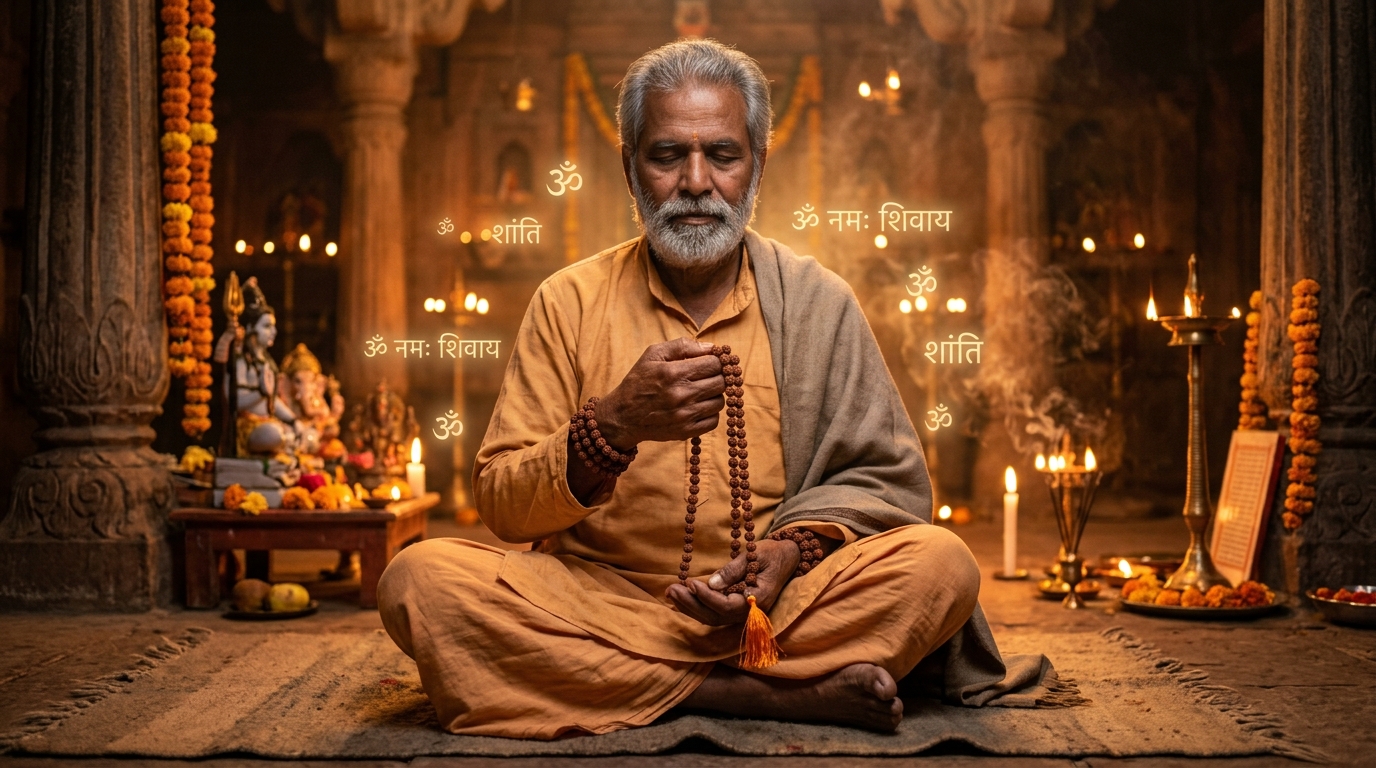


Sacred Essentials & Sanctum Items
Consecrated items traditionally used to support meditation, focus, and sanctum discipline
Use of Mala, Yantra, Kit or other materials can vary by practice. Follow the guidance given for your Sadhana.
Consecrated Haldi / Tulsi Japa Mala
108 knotted beads consecrated according to Vedic rites.
Handcrafted Copper Yantra Plate
Sacred geometric plate for sanctum meditation and focus.
Pure Woolen Meditation Asana
Traditional insulation mat to preserve spiritual energy.
Ask About This Sacred Item
Inquire with the sanctum team regarding consecration, authenticity, or practice usage.
