Avhigat Akhara
Traditional Ascetic Hermitage & Vedic Lineage
Preserving Eternal Sanatan Dharma and Divine Guru Parampara
Membership Contact Us
Kundalini & Yogic Sadhana › Prana & Chakra Jagran

Kaya Kalpa — The Yogic Science of Cellular Rejuvenation

Kaya Kalpa Sadhana is an ancient yogic and Siddha discipline designed to purify bodily tissues, harmonize vital prana, and cultivate a steady, disease-free vehicle for deep spiritual contemplation. Far from being a cosmetic beauty treatment, authentic Kaya Kalpa is a rigorous internal discipline combining breath retention, pure herbal nourishment, sensory rest, and deep meditation. This guide details traditional principles, daily routines, ethical guidelines, and essential cautions.

Lord Shiva & Siddha Lineage
Level: Advanced / Supervised
Kundalini & Yogic
Guru Diksha Required
Sacred spiritual artwork depicting Kaya Kalpa yogic rejuvenation
Sacred Deity Sanctum Darshan Consecrated Murti
Divine Origin & Spiritual Identity

What is Kaya Kalpa in the Siddha Tradition?

The Transformation of the Physical Vessel into a Vehicle of Immortality

The Sanskrit term Kaya Kalpa is composed of two deep words: Kaya, meaning the physical body, and Kalpa, meaning transformation, renewal, or an age-long cycle of time. In the Siddha and Nath traditions of ancient India, masters realized that while the ultimate goal of life is spiritual liberation (Moksha), a fragile, diseased, or chronically exhausted body constantly interrupts meditation and drags consciousness back into physical pain. Therefore, they developed Kaya Kalpa: a systematic technology to arrest premature physical decay, eliminate deeply rooted cellular toxins, and awaken the dormant life force within the bone marrow and cerebrospinal axis. Unlike modern commercial anti-aging clinics that promise eternal youth for vanity, traditional Kaya Kalpa is practiced strictly for the sake of sustained spiritual tapas. The practitioner withdraws from noisy sensory stimulation, enters a peaceful climate, practices specialized pranayamas like Kumbhaka and Kechari mudra, and consumes pure rejuvenating herbs (Rasayanas) such as Amla, Haritaki, and purified mineral essences. When cellular waste is eliminated and prana flows smoothly through the Sushumna nadi, the body becomes light, the senses become razor-sharp, the mind becomes calm, and the practitioner can sit for hours in unbroken absorption without stiffness or fatigue.
What is Kaya Kalpa in the Siddha Tradition?
Lord Shiva & Siddha Lineage
Sanctum Sacred Representation
Cellular Detoxification (Dhatu Shuddhi)
Prana Circulation in Sushumna
Sensory Withdrawal (Pratyahara)
Endurance for Meditation
Definition & Spiritual Essence

What is Kaya Kalpa Sadhana?

Sacred essence, spiritual foundation, and scriptural truth

Authoritative Summary (Direct Essence)

Kaya Kalpa Sadhana is an ancient yogic and Siddha discipline designed to purify bodily tissues, harmonize vital prana, and cultivate a steady, disease-free vehicle for deep spiritual contemplation. Far from being a cosmetic beauty treatment, authentic Kaya Kalpa is a rigorous internal discipline combining breath retention, pure herbal nourishment, sensory rest, and deep meditation. This guide details traditional principles, daily routines, ethical guidelines, and essential cautions.

The authentic practice of Kaya Kalpa Sadhana is an exacting, disciplined process divided into preparation, active regeneration, and integration. It begins with a thorough internal cleansing of the digestive tract using gentle yogic Shatkarmas, light fasting, and herbal teas. The seeker rises at the Brahma Muhurta hour and sits in a clean, dust-free environment with pure, well-ventilated air. The morning begins with gentle joint mobilizations, followed by systematic Nadi Shodhana pranayama to balance the solar (Pingala) and lunar (Ida) energy currents in the body. Next, the practitioner engages in Kumbhaka (controlled breath retention) under careful Guru supervision, directing the stored life force into the heart and naval centers. Chanting of specific bija mantras corresponding to the vital energy centers accompanies the breath, vibrating the cellular matrix and dissolving energetic knots (Granthis). Dietary discipline is uncompromising during Kaya Kalpa. The practitioner consumes only freshly prepared, warm, easily digestible food: light whole-grain broths, cow milk infused with medicinal herbs, soaked almonds, and pure honey. Pungent spices, chilies, fried oils, sour pickles, and all artificial sugars are strictly banned, as they inflame the digestive fire and create cellular acidity. Throughout the day, the seeker avoids loud speech, contentious debates, and emotional agitation. Several hours are spent in silent nature contemplation or quiet scriptural reading. When evening arrives, gentle restorative stretching is performed, followed by silent meditation before sleeping in a dark, quiet room. Over forty-one days of such uncompromising purity, the eyes become clear and bright, the skin takes on a healthy glow, digestion becomes effortless, and the mind settles into an abiding lake of tranquil silence. As the weeks of pranic purification progress, the practitioner begins to notice subtle physiological changes. Sleep becomes deeper and more restorative, so you wake up naturally refreshed before dawn without feeling groggy. The digestive fire works smoothly without producing gas, acidity, or physical heaviness after meals. In our tradition, we remind students that the physical body is the sacred foundation of all spiritual realization. When the body is burdened by toxins and nervous exhaustion, the mind cannot sit still in meditation for more than a few minutes. By treating the cells with clean nourishment, fresh air, and rhythmic breath, you provide your consciousness with an agile, quiet vehicle that can soar into high meditative states with complete ease. In addition, as the nervous system releases chronic stress, chronic inflammation in the joints and back begins to subside naturally, making physical posture a source of comfort rather than pain.
Spiritual Purpose & Inner Evolution

Why is Kaya Kalpa Sadhana Practiced?

Core spiritual purposes, inner purification, and consciousness evolution

Mental Stillness & Focus

Daily japa and meditative contemplation calm wandering thoughts, fostering sharp inward awareness and emotional balance.

Spiritual Fortitude & Energy Balance

Authentic sacred kavacha and nyasa practices protect subtle vitality from negative inclinations, fear, and distraction.

Cultivation of Sattvic Discernment

Helps dissolve pride, resentment, and restlessness, strengthening humility, discernment, and spiritual surrender.

Inner Realization & Lineage Grace

Not an outward exhibition, but an inward journey toward self-realization sheltered under authentic monastic lineage guidance.

Tattvik Insight & Philosophy

Spiritual Significance & Philosophy

Philosophical essence and the science of internal transformation

“The deep spiritual significance of Kaya Kalpa lies in honoring the physical body as the living temple of the Divine. In many religious traditions, the body is mistakenly despised as an enemy of the spirit, leading to destructive self-punishment or neglect. The Siddha masters took the opposite view: they proclaimed that the body is a microcosm of the entire universe (Yatha Pinde Tatha Brahmande). If the temple is cracked and leaking, how can the deity reside within it peacefully? Kaya Kalpa is not practiced to avoid natural death out of fear; it is practiced to ensure that the physical vehicle remains sharp, energetic, and free from chronic degeneration, so that the seeker can complete their spiritual destiny without being cut short by avoidable sickness. Classical works like the Hatha Yoga Pradipika, the Gheranda Samhita, and the Tirumantiram of Sage Tirumular declare that when the vital fluids are preserved through spiritual discipline and prana is stilled, the human being transcends ordinary biological limitations and tastes the nectar of eternal awareness. The ancient Siddhas taught that true longevity is not measured by the number of calendar years one lives, but by the clarity and spiritual fruitfulness of those years. Living a long life filled with sickness, anger, and worldly regret is a burden, not a blessing. Kaya Kalpa aims to preserve youthful mental sharpness, bodily flexibility, and spiritual enthusiasm well into old age, ensuring that the seeker can complete their commentary on sacred texts, mentor junior students, and abide in God-communion until their final breath. The sage who maintains a vibrant, clean body becomes an enduring guiding light of guidance and hope for all seekers in the community.”
Avhigat Akhara Monastic Wisdom
Seeker Eligibility & Suitability

Who is This Sadhana For?

Eligibility criteria, seeker temperament, and prerequisite guidance

Sincere Seekers

Individuals seeking daily focus, spiritual discipline, and quiet inward balance without complex rituals.

Householders

Practitioners balancing work, family, and social obligations while following a pure satvik spiritual path.

Disciplined Initiates

Dedicated practitioners who have mastered basic disciplines and wish to undertake formal anusthana under Guru Diksha.

Importance of Lineage Grace & Approval

Tantrik, Mahavidya, and advanced dhyana disciplines should not be initiated whimsically without lineage permission and proper understanding.

Mandatory Guidance Notice

Who Should Take Lineage Guidance First?

Lineage Principle: Practice preserves sanctity and protects seekers when guided authentically

Critical Medical & Safety Disclaimer: Kaya Kalpa Sadhana is an advanced yogic practice that must NEVER be attempted from books, online videos, or unsupervised experimentation. Aggressive breath retention (Kumbhaka) without qualified personal supervision can cause severe dizziness, blood pressure spikes, and neurological strain. Practitioners with existing heart conditions, high blood pressure, recent surgeries, or respiratory illnesses must avoid breath retention entirely. Authentic Kaya Kalpa is NOT a substitute for conventional medical treatment, prescription drugs, or professional medical care for acute or chronic diseases. Never consume unverified mineral ashes, mercury compounds, or dangerous alchemical mixtures purchased from unauthorized vendors. Real rejuvenation comes from clean air, wholesome nutrition, gentle breath awareness, and pure ethical living, not toxic shortcuts.
Request Lineage Guidance Consultation Avhigat Akhara upholds the sacred decorum of traditional Diksha and guided practice.
Origins, Tradition & Guru Parampara

Historical Origins & Guru Parampara

Authentic scriptural foundation and unbroken monastic transmission

Traditional Origins

The science of Kaya Kalpa was systematized by the eighteen great Tamil Siddhas, most notably Agastya, Bogar, and Tirumular, who explored the properties of medicinal herbs, breath control, and yogic alchemy. In Northern India, the Nath Sampradaya, established by Matsyendranath and Gorakhnath, integrated these principles into classical Hatha Yoga. Legend recounts how ancient masters lived active, vibrant lives well past a hundred years to complete monumental scriptural commentaries. Avhigat Akhara upholds this authentic lineage by teaching safe, grounded, and modern-adapted forms of cellular purification accessible to dedicated householders.

Scriptural Authority

Authoritative textual sources include the Hatha Yoga Pradipika (Chapter 3 on Mudras and Bandhas), the Gheranda Samhita (Patanjali and Ghatastha Yoga), the Tirumantiram by Sage Tirumular, and the Charaka Samhita (Rasayana Adhyaya). These sacred texts consistently teach that physical renewal is the fruit of complete inner purity and pranic mastery.

Monastic Lineage Shelter

In Avhigat Akhara, Kaya Kalpa is never taught to beginners or curious dabblers. The Acharya first requires students to demonstrate at least one year of steady practice in basic asanas, satvik dietary compliance, and emotional equilibrium. Before initiation, physical health parameters are reviewed, and the student receives an individualized protocol tailored to their unique constitution (Prakriti).
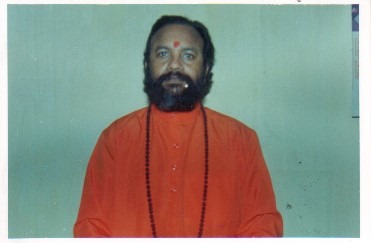
Pujya Guru Ji Maharaj - Avhigat Akhara
Guidance by Pujya Guru Ji Maharaj
“Cleanse the vessel, steady the breath, and the living nectar of the soul will naturally sweeten every cell of your body.”

Guru Ji advises that true rejuvenation begins in your thoughts. If your mind is constantly simmering with resentment, envy, and hurried panic, no amount of expensive herbs can keep your body young. Cultivate forgiveness, laugh with a pure heart, eat in moderation, and breathe with calm reverence. When the heart is joyful, the body naturally radiates health.

Preparation & Sacred Disciplines

Preparation & Sacred Disciplines

Essential guidelines, satvik habits, and sanctum preparations

01

Undergo Medical Fitness Check

Mandatory Rule

Ensure normal blood pressure, cardiac function, and general health before attempting rigorous pranayama practices.

02

Receive In-Person Guru Training

Mandatory Rule

Never attempt Kaya Kalpa from books or videos. Train under the watchful eye of an authentic yogic master.

03

Prepare Pure Herbal Supplies

Mandatory Rule

Gather certified organic herbs, raw honey, and pure cow ghee from verified, ethical sources.

04

Secure Uninterrupted Quiet Time

Recommended

Arrange your work and family schedule so that you can dedicate uninterrupted quiet hours to the morning practice.

Practice Progression & Stages

Practice Progression & Stages

Systematic pathway from preliminary understanding to final sanctum offering

01

Shatkarma & Gastrointestinal Cleanse

Day 1-7

Gentle cleansing of the digestive tract through herbal decoctions, light mono-diets, and simple internal purification methods.

02

Nadi Shodhana & Prana Balancing

Day 8-21

Rhythmic alternate-nostril breathing purifies the 72,000 subtle energy nadis, steadying body temperature and metabolic rhythm.

03

Kumbhaka & Cellular Infusion

Day 22-35

Carefully guided breath retentions direct vital life force into the deep tissues, revitalizing organs and bone marrow.

04

Deep Stillness & Agility

Day 36-41

The body feels light, energetic, and free from stiffness; seated meditation deepens into effortless, motionless absorption.

05

Purnahuti & Rasayana Maintenance

Final Day

Concluding the initial cycle with a sacred fire ceremony and establishing a lifelong routine of clean eating and daily breathwork.

Daily Practice Discipline & Niyama

Daily Practice Discipline & Routine

Sanctum steadfastness: One Time, One Altar, and Inner Purity

Rule
Recommended

Pure Sattvic Nourishment

Rule
Recommended

Regular Sleep Cycles

Rule
Recommended

Complete Speech Rest (Mouna)

Rule
Recommended

Zero Stimulants

Rule
Recommended

Clean Pure Air

Rule
Recommended

Spinal Alignment & Gentle Mobility

Sacred Cautions & Safety Guidelines

Common Mistakes & Sacred Cautions

Safeguarding seekers against mispronunciation, haste, and unauthorized practices

Straining to hold the breath beyond your natural capacity to demonstrate ego endurance.

Correct Lineage Guidance: Never struggle for breath. Increase retention counts gradually by seconds over months of practice.

Indulging in spicy restaurant meals, fried snacks, or sweets while undergoing pranic purification.

Correct Lineage Guidance: Adhere strictly to light, warm, freshly cooked satvik meals throughout the entire sadhana period.

Approaching Kaya Kalpa with the shallow goal of looking attractive or showing off physical youth.

Correct Lineage Guidance: Remind yourself daily that the body is being renewed solely to serve God, Guru, and humanity with greater strength.

Authentic Seeker Inquiries

Authentic Questions Asked by Seekers

Direct, practical answers grounded in verified tradition and authentic lineage wisdom

Can I practice Kaya Kalpa at home while working?
A modified home version focusing on satvik diet, daily pranayama, and early sleep can be practiced while working. However, complete traditional Kaya Kalpa retreats require secluded quiet environments.
What is the primary herb used in Kaya Kalpa?
Fresh Indian Gooseberry (Amalaki / Amla) is the supreme traditional Rasayana herb praised across both Ayurveda and Siddha medicine for deep cellular regeneration.
Frequently Asked Questions

Frequently Asked Questions

Authentic answers to common queries regarding initiation, timing, and practice

Yes, with gentle adaptations. Older seekers do not perform intense breath retention; they focus on gentle joint mobility, Nadi Shodhana pranayama, restorative satvik nutrition, and deep meditation.

YOUR SACRED NEXT STEP

Ready to Begin Kaya Kalpa Sadhana?

Follow the authentic Vedic and monastic path under lineage guidance before starting your practice.

Guidance Recommended

Guru Guidance & Diksha Consultation

This sacred practice requires initiation and protective mantra guidance from the authentic monastic lineage before regular practice.

Direct connection with Avhigat Akhara.
Enquiry Open

Kaya Kalpa Sadhana Guided Training

Learn step-by-step mantra japa, mudras, and nyasa under authentic Acharyas through our guided monastic batches.

Batch curriculum and registration dates announced periodically.
Approved Paraphernalia

Kaya Kalpa Sadhana Sacred Essentials

View consecrated Jap Malas, consecrated Yantras, Kusha asanas, and authentic sadhana kits approved by Avhigat Akhara.

Consecrated items energized per scriptural traditions.
View Sadhana Essentials
Sacred Sanctum Essentials

Sacred Essentials & Sanctum Items

Consecrated items traditionally used to support meditation, focus, and sanctum discipline

Tradition & Guidance Advisory

Use of Mala, Yantra, Kit or other materials can vary by practice. Follow the guidance given for your Sadhana.

Essential Checklist Before Practice
Vedic Sequence
1
1. Guidance
Guru Guidance
Consult
2
2. Mala
Consecrated Mala
View ↓
3
3. Yantra
Sanctum Yantra
View ↓
4
4. Kit
Sadhana Kit
View ↓
5
5. Asan
Pure Woolen Asan
View ↓
Mala Sacred Tool

Consecrated Haldi / Tulsi Japa Mala

108 knotted beads consecrated according to Vedic rites.

Yantra Sanctum Item

Handcrafted Copper Yantra Plate

Sacred geometric plate for sanctum meditation and focus.

Asan Daily Practice

Pure Woolen Meditation Asana

Traditional insulation mat to preserve spiritual energy.

॥ श्री गुरु चरण सरोज रज ॥

One-to-One Samasya Samadhan

Confidential Guidance

Private guidance from Guru Ji and the Akhara's guides. Choose what you need help with.