Avhigat Akhara
Traditional Ascetic Hermitage & Vedic Lineage
Preserving Eternal Sanatan Dharma and Divine Guru Parampara
Membership Contact Us
Shiva & Rudra Sadhana › Rudra Upasana

Shivatva Prapti — Attaining Shiva Consciousness

Shivatva Prapti Sadhana is an ancient Shaiva discipline focused on awakening the stillness and purity of Lord Shiva within the human heart. Rather than seeking external favors, the practitioner seeks to dissolve personal ego, quiet the restless mind, and recognize the unchanging divine witness within. This guide explains the spiritual meaning of Shivatva, daily meditation practices, ethical requirements, and traditional warnings.

Lord Shiva
Level: Intermediate
Shaiva
Guru Diksha Required
Sacred meditative depiction of Shivatva Prapti Sadhana
Sacred Deity Sanctum Darshan Consecrated Murti
Divine Origin & Spiritual Identity

Understanding Shiva in Shivatva Prapti

The Formless Witness and Fountainhead of Eternal Stillness

In the Sanatan wisdom stream, Shiva is not merely a mythological personality sitting upon Mount Kailash. Shiva represents the primordial consciousness that existed before creation and remains untouched after dissolution. The word Shiva literally translates to that which is auspicious and pure. To attain Shivatva means to let your personal awareness merge into that vast, undisturbed ocean of peace. Just as the blue throat of Nilakantha held deadly poison without being harmed, a seeker who realizes Shivatva learns to absorb the difficulties, criticisms, and pains of worldly life without losing inner sweetness or balance. The crescent moon upon His crown symbolizes mastery over the cyclical nature of time and emotional tides. The sacred ash smeared across His body serves as an ongoing reminder that all physical forms eventually return to dust, freeing the practitioner from shallow vanity and fear of death. When a disciple approaches Shivatva Prapti Sadhana, the entire focus shifts from getting something from God to becoming one with the divine nature itself.
Understanding Shiva in Shivatva Prapti
Lord Shiva
Sanctum Sacred Representation
Self-Aware Witness (Sakshi Bhava)
Freedom from Fear and Death (Mrityunjaya)
Universal Compassion and Calm
Dissolution of False Ego
Definition & Spiritual Essence

What is Shivatva Prapti Sadhana?

Sacred essence, spiritual foundation, and scriptural truth

Authoritative Summary (Direct Essence)

Shivatva Prapti Sadhana is an ancient Shaiva discipline focused on awakening the stillness and purity of Lord Shiva within the human heart. Rather than seeking external favors, the practitioner seeks to dissolve personal ego, quiet the restless mind, and recognize the unchanging divine witness within. This guide explains the spiritual meaning of Shivatva, daily meditation practices, ethical requirements, and traditional warnings.

The systematic discipline of Shivatva Prapti Sadhana demands complete honesty and consistent daily sitting. The seeker rises during the quiet hours of dawn, washes thoroughly, and sits in an upright posture upon a natural woolen mat or kusha grass seat facing the North or East direction. Keeping the spine like a pillar of light, the sadhak first attends to the breath, slowing the flow of inhalation and exhalation until the chest barely moves. An earthen or copper lamp filled with cow ghee is lit before a sacred Shiva Linga or natural Narmadeshwara stone. The seeker gently offers clean water, pure milk, raw bilva leaves, and fragrant white flowers with heartfelt reverent feeling. Following the outer offerings, the internal worship begins. The practitioner turns the senses inward, bringing the sacred Panchakshara or Guru-given Shiva mantra into the center of the chest or the space between the eyebrows. With each repetition of the sacred sound, the mind lets go of external worries, family disputes, and career anxieties. Chanting begins softly aloud to bind the wandering senses, progresses into gentle whisper where only the tongue vibrates, and culminates in unbroken mental repetition where sound merges with silent awareness. In this stage of meditation, the body feels weightless and the heartbeat slows into a calm, steady rhythm. The student must understand that attaining Shivatva is not an overnight spectacle of magical powers; it is the slow, gentle melting of stubborn personal habits over months and years of devoted effort. If restless thoughts appear during sitting, do not push them away violently. Acknowledge their presence and immediately return your attention to the rhythm of the sacred name. When you sit each morning without missing a single day, a deep reservoir of patience builds within your heart that sustains you through the roughest storms of worldly life. When you sit for Shiva meditation each morning, do not treat the session as an intellectual debate with your thoughts. Watch the natural rhythm of your breath as it flows past the upper lip. As the breath becomes softer and longer, the restless chatter of the thinking mind begins to settle on its own. In our ashram, we remind students that the sacred ash of Shiva is a reminder of impermanence. Every difficulty you face today, every insult from a colleague, every disappointment in your career will eventually pass away like smoke. When you sit with this understanding, a deep lightness enters your heart. You stop reacting with anger to small irritations. You learn to smile, breathe deeply, and keep your attention anchored upon the stillness within. Consistency over forty-one days builds an unshakeable inner resilience that transforms how you interact with family and society.
Spiritual Purpose & Inner Evolution

Why is Shivatva Prapti Sadhana Practiced?

Core spiritual purposes, inner purification, and consciousness evolution

Mental Stillness & Focus

Daily japa and meditative contemplation calm wandering thoughts, fostering sharp inward awareness and emotional balance.

Spiritual Fortitude & Energy Balance

Authentic sacred kavacha and nyasa practices protect subtle vitality from negative inclinations, fear, and distraction.

Cultivation of Sattvic Discernment

Helps dissolve pride, resentment, and restlessness, strengthening humility, discernment, and spiritual surrender.

Inner Realization & Lineage Grace

Not an outward exhibition, but an inward journey toward self-realization sheltered under authentic monastic lineage guidance.

Tattvik Insight & Philosophy

Spiritual Significance & Philosophy

Philosophical essence and the science of internal transformation

“The spiritual significance of Shivatva Prapti lies in the complete reordering of human priorities. In ordinary life, people chase after fleeting pleasures, constantly fearing loss, sickness, and old age. When a seeker begins to taste the nectar of Shiva consciousness, worldly attachments lose their binding grip. You still perform your duties toward family, earn an honest living, and care for those who depend upon you, but you do so with an inward detachment that protects you from emotional heartbreak. Ancient Shaiva scriptures like the Shiva Purana, the Vijnana Bhairava Tantra, and the Shiva Sutras declare that there is no difference between the realized soul and Shiva Himself. The apparent difference exists only as long as ignorance and ego veil the mind. Through systematic japa, humble seva, and regular contemplation of the Guru teachings, these veils drop away one by one. In addition, when multiple seekers gather in an ashram to practice this sadhana together, the shared stillness creates a protective spiritual atmosphere that uplifts every participant, helping even beginners overcome initial restlessness with surprising ease. In addition, the attainment of Shiva consciousness brings immense clarity to daily decision-making. When your mind is free from the fever of selfish craving, you see people and situations exactly as they are without distortion. You no longer make impulsive promises out of vanity, nor do you make fearful compromises that damage your self-respect. You walk through life with the calm dignity of a mountain, dependable for those who rely upon you and peaceful within your own soul.”
Avhigat Akhara Monastic Wisdom
Seeker Eligibility & Suitability

Who is This Sadhana For?

Eligibility criteria, seeker temperament, and prerequisite guidance

Sincere Seekers

Individuals seeking daily focus, spiritual discipline, and quiet inward balance without complex rituals.

Householders

Practitioners balancing work, family, and social obligations while following a pure satvik spiritual path.

Disciplined Initiates

Dedicated practitioners who have mastered basic disciplines and wish to undertake formal anusthana under Guru Diksha.

Importance of Lineage Grace & Approval

Tantrik, Mahavidya, and advanced dhyana disciplines should not be initiated whimsically without lineage permission and proper understanding.

Seeker Discretion Notice

Who Should Take Lineage Guidance First?

Lineage Principle: Practice preserves sanctity and protects seekers when guided authentically

While Shivatva Prapti is a peaceful and universally uplifting practice, seekers must adhere to strict traditional safety rules. Never attempt intense, dry fasting or prolonged sleep deprivation under the mistaken belief that suffering forces spiritual awakening. Shiva is attained through calm surrender and balanced living, not through body torture. If you feel sudden emotional heaviness, dizziness, or spiritual confusion while meditating, open your eyes gently, drink clean water, take slow deep breaths, and speak with your Guru before resuming. Keep your japa mala in a clean cloth pouch and never allow strangers or casual onlookers to touch it. Do not engage in fierce, destructive cremation-ground practices or unauthorized Aghora rituals found on internet forums; true Shivatva begins with cleanliness, compassion, and inner purity in your own home.
Request Lineage Guidance Consultation Avhigat Akhara upholds the sacred decorum of traditional Diksha and guided practice.
Origins, Tradition & Guru Parampara

Historical Origins & Guru Parampara

Authentic scriptural foundation and unbroken monastic transmission

Traditional Origins

The roots of Shiva worship are among the oldest in human civilization, with Pashupati seals and yogic artifacts dating back to the Indus Valley period. Over centuries, these practices were systematized in the Svetasvatara Upanishad, the Shaiva Agamas, and the classical schools of Kashmir Shaivism and Shaiva Siddhanta. The tradition emphasizes that Shiva is the original Guru (Adi Guru) who first taught the science of yoga to the Saptarishis on the banks of Lake Kantisarovar. Avhigat Akhara upholds this authentic transmission by guiding practitioners step by step through progressive levels of meditation, ensuring that philosophical understanding and practical discipline develop in perfect harmony.

Scriptural Authority

Key textual references for Shivatva Prapti include the Shiva Purana (Vidyeshvara Samhita), the Shiva Sutras revealed by Sage Vasugupta, the Vijnana Bhairava Tantra with its 112 dharana methods, and the Svetasvatara Upanishad (Chapter 3). These sacred texts consistently teach that Shiva is not reached through dry debate or worldly cleverness, but through heartfelt devotion, quiet mind, and direct experiential insight.

Monastic Lineage Shelter

In Avhigat Akhara, a seeker seeking Shivatva Prapti is first guided through preparatory grounding in ethical conduct, dietary purity, and simple breath awareness. The Acharya examines the seeker daily habits and emotional maturity before giving the formal initiation and assigning the personal mantra. Students are encouraged to maintain close contact with senior teachers, clarifying inner experiences and receiving timely corrections whenever subtle ego traps arise along the path.
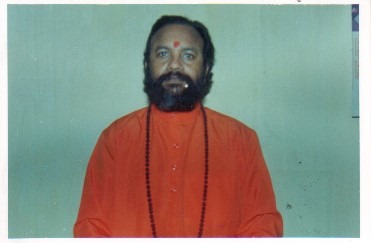
Pujya Guru Ji Maharaj - Avhigat Akhara
Guidance by Pujya Guru Ji Maharaj
“To attain Shiva is not to travel to an icy mountain peak; it is to discover the snow-pure silence resting within your own heartbeat.”

Guru Ji reminds every disciple that the true test of Shivatva is your reaction when someone speaks ill of you. If you return anger with anger, your sadhana is still on the surface. But if you smile, forgive, and remain undisturbed, Shiva has begun to dwell in your heart. Let your presence bring relief and comfort to anyone who meets you during the day.

Preparation & Sacred Disciplines

Preparation & Sacred Disciplines

Essential guidelines, satvik habits, and sanctum preparations

01

Seek Guru Guidance & Diksha

Mandatory Rule

Never begin a high-level Shiva practice from books or digital media. Receive the mantra and method directly from an accomplished teacher.

02

Acquire Authentic Rudraksha Mala

Mandatory Rule

Use a consecrated 108-bead Panchamukhi Rudraksha mala strung on natural thread with a dedicated Meru bead.

03

Adopt Strict Vegetarian Diet

Mandatory Rule

Eliminate meat, eggs, fish, and intoxicating substances from your life to keep the nervous system calm and receptive.

04

Prepare Clean Meditation Space

Recommended

Maintain a peaceful corner in your room free from noise, dust, and footwear, dedicated solely to divine remembrance.

Practice Progression & Stages

Practice Progression & Stages

Systematic pathway from preliminary understanding to final sanctum offering

01

Purification & Sankalpa

Day 1-7

The seeker cleanses the body and mind, taking a solemn vow before the Guru and sacred fire to practice with unwavering honesty and humility.

02

Panchakshara Mantra Japa

Day 8-21

Chanting of the five-syllable sacred formula begins using a rudraksha mala, harmonizing breath flow and stilling outer distractions.

03

Dhyana & Linga Upasana

Day 22-35

External worship deepens into internal meditation upon the light within the heart, visualising the formless Shiva presence.

04

Sakshi Bhava Realization

Day 36-41

The practitioner experiences spontaneous detachment from personal thoughts, abiding as the silent observer of all events.

05

Purnahuti & Samarpana

Final Day

Completion of the initial sadhana cycle with havan, feeding of seekers, and offering the spiritual fruits to the lotus feet of the Guru.

Daily Practice Discipline & Niyama

Daily Practice Discipline & Routine

Sanctum steadfastness: One Time, One Altar, and Inner Purity

Rule
Recommended

Fixed Dawn Discipline

Rule
Recommended

Posture Stillness

Rule
Recommended

Satvik Food Habits

Rule
Recommended

Speech Control (Mouna)

Rule
Recommended

Inner Detachment

Sacred Cautions & Safety Guidelines

Common Mistakes & Sacred Cautions

Safeguarding seekers against mispronunciation, haste, and unauthorized practices

Practicing with the selfish motive of acquiring occult abilities or dominating others.

Correct Lineage Guidance: Shift your intention entirely to inner purity, surrender, and universal peace under Guru guidance.

Skipping practice for several days and attempting long marathon sessions on weekends.

Correct Lineage Guidance: Maintain a steady, manageable count every morning without missing a single day.

Ignoring household and professional responsibilities under the pretext of sadhana.

Correct Lineage Guidance: Fulfill all worldly responsibilities with cheerful diligence as an offering to Shiva.

Authentic Seeker Inquiries

Authentic Questions Asked by Seekers

Direct, practical answers grounded in verified tradition and authentic lineage wisdom

Does Shivatva Prapti require giving up worldly possessions?
No. It requires giving up false attachment, pride, and greed, not your honest possessions. You use worldly resources wisely for the welfare of your family and society without being controlled by them.
Can women practice Shivatva Prapti Sadhana?
Yes, without any restriction. The soul has no gender. Women have practiced Shiva upasana with extraordinary devotion and spiritual attainment throughout Sanatan history.
Frequently Asked Questions

Frequently Asked Questions

Authentic answers to common queries regarding initiation, timing, and practice

Yes, absolutely. Shiva Himself is the supreme householder living with Mother Parvati and His children. Householders who practice with sincerity experience peace, mutual love, and emotional stability in their families.

YOUR SACRED NEXT STEP

Ready to Begin Shivatva Prapti Sadhana?

Follow the authentic Vedic and monastic path under lineage guidance before starting your practice.

Guidance Recommended

Guru Guidance & Diksha Consultation

This sacred practice requires initiation and protective mantra guidance from the authentic monastic lineage before regular practice.

Direct connection with Avhigat Akhara.
Enquiry Open

Shivatva Prapti Sadhana Guided Training

Learn step-by-step mantra japa, mudras, and nyasa under authentic Acharyas through our guided monastic batches.

Batch curriculum and registration dates announced periodically.
Approved Paraphernalia

Shivatva Prapti Sadhana Sacred Essentials

View consecrated Jap Malas, consecrated Yantras, Kusha asanas, and authentic sadhana kits approved by Avhigat Akhara.

Consecrated items energized per scriptural traditions.
View Sadhana Essentials
Sacred Sanctum Essentials

Sacred Essentials & Sanctum Items

Consecrated items traditionally used to support meditation, focus, and sanctum discipline

Tradition & Guidance Advisory

Use of Mala, Yantra, Kit or other materials can vary by practice. Follow the guidance given for your Sadhana.

Essential Checklist Before Practice
Vedic Sequence
1
1. Guidance
Guru Guidance
Consult
2
2. Mala
Consecrated Mala
View ↓
3
3. Yantra
Sanctum Yantra
View ↓
4
4. Kit
Sadhana Kit
View ↓
5
5. Asan
Pure Woolen Asan
View ↓
Mala Sacred Tool

Consecrated Haldi / Tulsi Japa Mala

108 knotted beads consecrated according to Vedic rites.

Yantra Sanctum Item

Handcrafted Copper Yantra Plate

Sacred geometric plate for sanctum meditation and focus.

Asan Daily Practice

Pure Woolen Meditation Asana

Traditional insulation mat to preserve spiritual energy.

॥ श्री गुरु चरण सरोज रज ॥

One-to-One Samasya Samadhan

Confidential Guidance

Private guidance from Guru Ji and the Akhara's guides. Choose what you need help with.