
Sannyas Order & Complete Renunciation
Sannyas is the revered fourth stage of life in the Sanatan Vedic tradition, representing total voluntary renunciation of worldly ownership, social prestige, and biological lineage. In the ancient Akhara lineages, taking Sannyas is not an emotional escape from difficult household responsibilities; it is the ultimate spiritual graduation where a prepared seeker performs their own funeral rites (Viraja Homa), discards personal identity, dons the sacred ochre robes, and dedicates every breath to universal welfare and Self-realization.
Understanding Sannyas & Monastic Renunciation
The Sacred Fire of Ego Dissolution and Universal Love
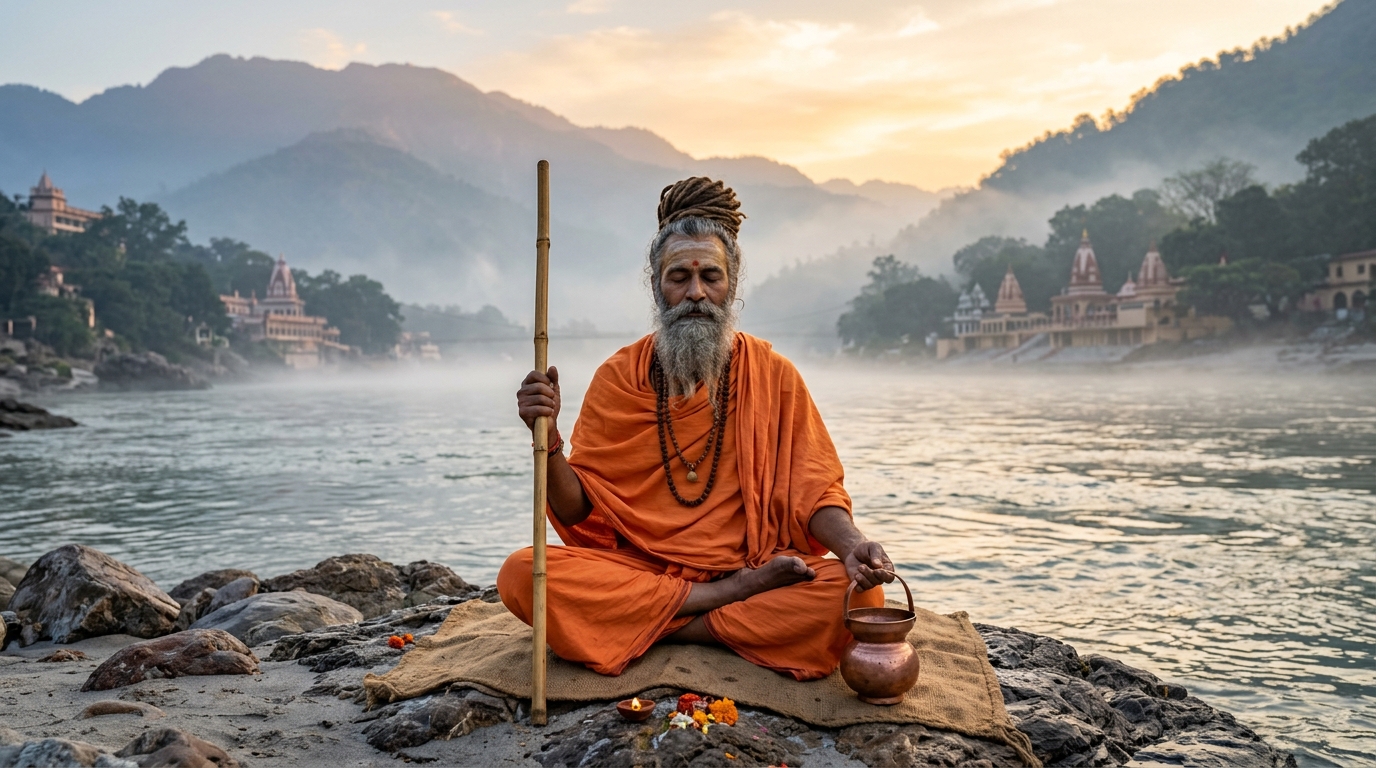
What is Sannyas: Sacred Renunciation & Vows?
Sacred essence, spiritual foundation, and scriptural truth
Sannyas is the revered fourth stage of life in the Sanatan Vedic tradition, representing total voluntary renunciation of worldly ownership, social prestige, and biological lineage. In the ancient Akhara lineages, taking Sannyas is not an emotional escape from difficult household responsibilities; it is the ultimate spiritual graduation where a prepared seeker performs their own funeral rites (Viraja Homa), discards personal identity, dons the sacred ochre robes, and dedicates every breath to universal welfare and Self-realization.
Why is Sannyas: Sacred Renunciation & Vows Practiced?
Core spiritual purposes, inner purification, and consciousness evolution
Mental Stillness & Focus
Daily japa and meditative contemplation calm wandering thoughts, fostering sharp inward awareness and emotional balance.
Spiritual Fortitude & Energy Balance
Authentic sacred kavacha and nyasa practices protect subtle vitality from negative inclinations, fear, and distraction.
Cultivation of Sattvic Discernment
Helps dissolve pride, resentment, and restlessness, strengthening humility, discernment, and spiritual surrender.
Inner Realization & Lineage Grace
Not an outward exhibition, but an inward journey toward self-realization sheltered under authentic monastic lineage guidance.
Spiritual Significance & Philosophy
Philosophical essence and the science of internal transformation
“The significance of the Sannyas tradition is the preservation of uncompromised truth. Worldly individuals, no matter how noble, are bound by economic pressures, family loyalties, and civic laws that often force compromises with absolute truth. A Sannyasi, possessing nothing to lose and desiring nothing from the world, can speak absolute spiritual truth without fear or flattery. Throughout Indian history, when empires collapsed and societal morality degraded, it was the wandering Sannyasis who preserved ancient Vedic texts, maintained free food distribution (Annakshetra), cured sickness with herbal medicine, and reminded kings of their sacred duties (Dharma). Without the unbroken pillar of monastic renunciation, spiritual traditions quickly decay into commercial business corporations. Sannyas holds the moral spine of Sanatan Dharma erect across ages. In addition, the visible presence of a real Sannyasi in a town acts as a powerful moral compass for the entire community. When busy merchants and stressed professionals see a monk walking peacefully in simple coarse ochre robes, carrying only a wooden water pot, it instantly shocks their minds into perspective. It reminds them that human happiness does not depend on accumulating expensive sports cars, palatial mansions, or social media fame. The monk silent serenity proves that the soul is complete in itself, and that contentment (Santosha) is the richest treasure on earth.”
Who is This Sadhana For?
Eligibility criteria, seeker temperament, and prerequisite guidance
Individuals seeking daily focus, spiritual discipline, and quiet inward balance without complex rituals.
Practitioners balancing work, family, and social obligations while following a pure satvik spiritual path.
Dedicated practitioners who have mastered basic disciplines and wish to undertake formal anusthana under Guru Diksha.
Importance of Lineage Grace & Approval
Tantrik, Mahavidya, and advanced dhyana disciplines should not be initiated whimsically without lineage permission and proper understanding.
Who Should Take Lineage Guidance First?
Lineage Principle: Practice preserves sanctity and protects seekers when guided authentically
Historical Origins & Guru Parampara
Authentic scriptural foundation and unbroken monastic transmission
Traditional Origins
Scriptural Authority
Monastic Lineage Shelter
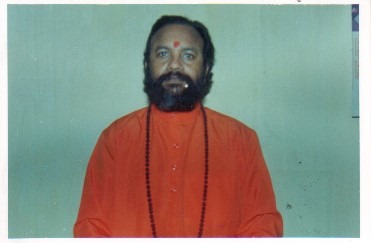
Guru Ji reminds every monk that the ochre cloth is not a royal costume to command respect from rich householders. It is a shroud of death for the ego. If a Sannyasi feels anger when an ignorant person insults them, or feels proud when a wealthy disciple bows down, they have betrayed the sacred cloth. Wear renunciation on the inside of your heart, not as an external medal. The humblest monk sweeping the ashram steps is closer to God than a proud abbot sitting on a silver throne.
Preparation & Sacred Disciplines
Essential guidelines, satvik habits, and sanctum preparations
Three-Year Brahmacharya Period
Recommended
Settling Worldly Debts (Rina Mukti)
Recommended
Mundana (Tonsure Ceremony)
Recommended
Yajnopavita Visarjana
Recommended
Viraja Homa Performance
Recommended
Investiture of Danda & Kamandalu
Recommended
Practice Progression & Stages
Systematic pathway from preliminary understanding to final sanctum offering
Stage 1: Kutichaka (Hermitage Dweller)
The novice renunciate resides in a small cottage near the ashram, receiving meals from relatives while devoting time to meditation.
Stage 2: Bahudaka (Pilgrim Wanderer)
The monk leaves familiar regions, gathers food from various unrelated homes, and visits sacred river shrines for purification.
Stage 3: Hamsa (Discerning Sage)
The practitioner settles mental discernment (Viveka), separating eternal truth from passing illusion like a swan separating milk from water.
Stage 4: Paramahamsa (Supreme Illumined Soul)
The highest stage where the monk lives in unbroken oneness with Brahman, untouched by worldly dualities, radiating universal grace.
Daily Practice Discipline & Routine
Sanctum steadfastness: One Time, One Altar, and Inner Purity
Aparigraha (Non-Possession)
Brahmacharya (Purity of Conduct)
Ahimsa (Universal Compassion)
Satya (Unyielding Truth)
Nirmana (Freedom from Pride)
Constant Svadhyaya
Common Mistakes & Sacred Cautions
Safeguarding seekers against mispronunciation, haste, and unauthorized practices
Taking Sannyas to escape legal debts, police investigations, or divorce troubles.
Correct Lineage Guidance: Resolve every civic and financial obligation honorably before considering monastic life.
Building private personal property and collecting luxury vehicles after taking vows.
Correct Lineage Guidance: Live in austere simplicity. All donations belong to the public temple trust, never personal pockets.
Expecting householders to pamper and serve you like royalty.
Correct Lineage Guidance: Regard yourself as the servant of all. Clean the ashram toilets and serve the poor with folded hands.
Maintaining close emotional texting and secretive phone calls with former family members.
Correct Lineage Guidance: Sever personal emotional dependence. Love your biological relatives equally with all humanity.
Engaging in bitter sectarian squabbles between different Akharas or lineages.
Correct Lineage Guidance: Honor all authentic paths leading to the one Supreme Reality with broad-minded grace.
Authentic Questions Asked by Seekers
Direct, practical answers grounded in verified tradition and authentic lineage wisdom
Frequently Asked Questions
Authentic answers to common queries regarding initiation, timing, and practice
Generally, an individual must be at least twenty-five years old, emotionally mature, and free from outstanding debts or dependent family obligations before entering the formal monastery training.
Related Sacred Sadhanas
Connected disciplines within this lineage and spiritual tradition


Sacred Essentials & Sanctum Items
Consecrated items traditionally used to support meditation, focus, and sanctum discipline
Use of Mala, Yantra, Kit or other materials can vary by practice. Follow the guidance given for your Sadhana.
Consecrated Haldi / Tulsi Japa Mala
108 knotted beads consecrated according to Vedic rites.
Handcrafted Copper Yantra Plate
Sacred geometric plate for sanctum meditation and focus.
Pure Woolen Meditation Asana
Traditional insulation mat to preserve spiritual energy.
Ask About This Sacred Item
Inquire with the sanctum team regarding consecration, authenticity, or practice usage.
