Avhigat Akhara
Traditional Ascetic Hermitage & Vedic Lineage
Preserving Eternal Sanatan Dharma and Divine Guru Parampara
Membership Contact Us
Vedic & Vaishnava Upasana › Vedic Chanting & Yajna

Manovanchit Kamna Siddhi — Harmonizing Will with Cosmic Law

Manovanchit Kamna Siddhi Sadhana is the traditional practice of purifying human desire and transforming scattered worldly cravings into a focused, righteous spiritual determination (Sankalpa). In the Sanatan worldview, unbridled desire creates agitation and bondage, whereas a pure desire aligned with Dharma naturally receives cosmic support. This guide details the psychology of desire, daily mantra rituals, moral safeguards, and essential cautions.

Lord Vishnu & Lord Ganesha
Level: Intermediate
Vedic & Vaishnava
Guru Diksha Required
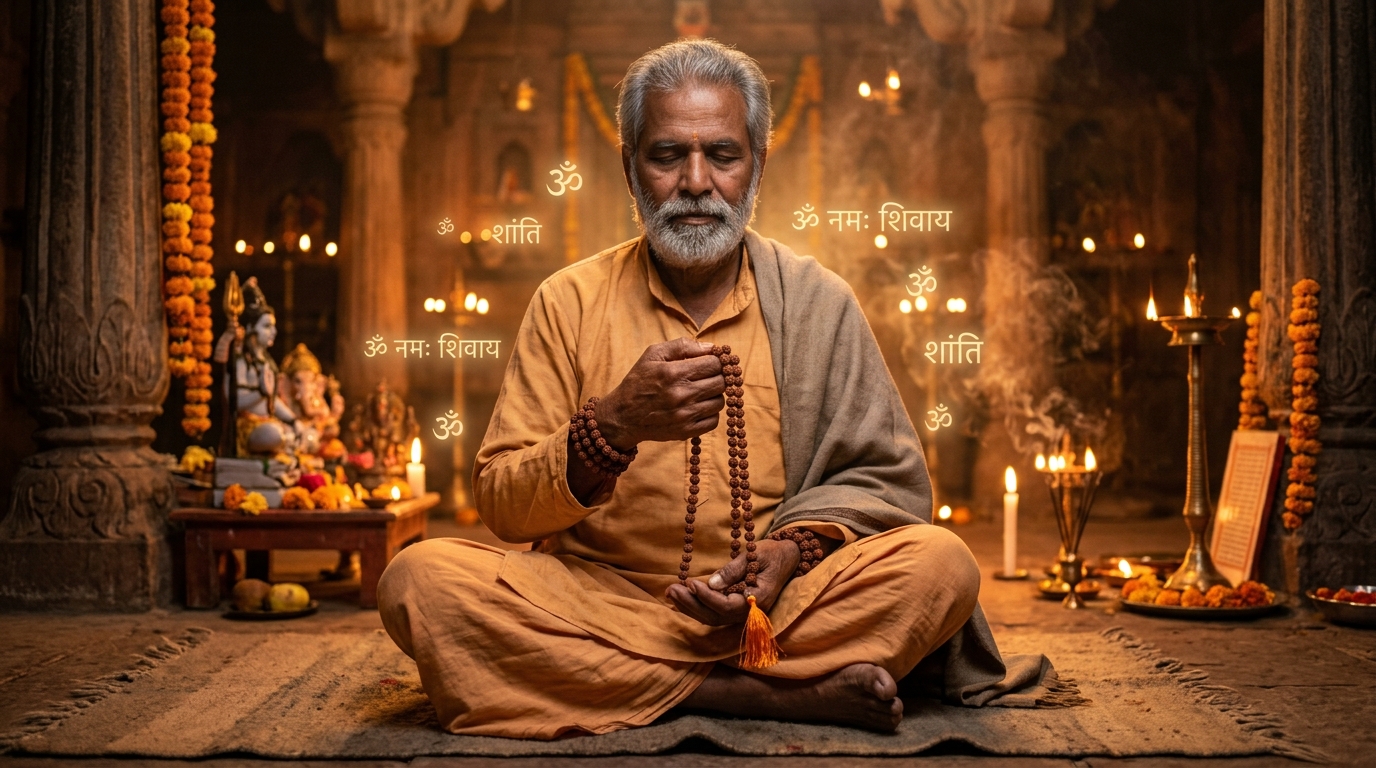
Sacred spiritual artwork representing Manovanchit Kamna Siddhi Sadhana
Sacred Deity Sanctum Darshan Consecrated Murti
Divine Origin & Spiritual Identity

The Spiritual Understanding of Desire and Sankalpa

Elevating Worldly Cravings into Righteous, Focused Determination

Desire is the primary driving engine of human existence. The Rigveda declares in the Nasadiya Sukta that in the beginning of creation, desire (Kama) arose as the primal seed of the mind. However, ordinary human desires are typically chaotic, contradictory, and driven by short-sighted ego impulses. A person desperately wants one thing today, regrets getting it tomorrow, and craves something entirely different the next day. This constant mental turbulence scatters vital psychic energy, leaving the individual frustrated and exhausted. Manovanchit Kamna Siddhi Sadhana is the sacred methodology of harnessing and purifying this powerful psychological force. The practice teaches the seeker how to filter personal desires through the screen of Dharma: "Does this desire bring lasting peace? Does it support my family responsibilities? Does it harm any innocent soul?" When a desire passes this ethical test, it ceases to be a petty craving and becomes a pure Sankalpa — an unwavering spiritual intention. By meditating upon divine wish-fulfilling manifestations, such as Lord Vishnu, Kamadhenu, or the Kalpavriksha principle, and repeating consecrated mantras with undivided focus, the seeker mental laser-beam cuts through doubts and distractions. The cosmic universe responds naturally to clear, unselfish, and harmonious intention, opening practical avenues of fulfillment while simultaneously protecting the seeker from the toxic trap of insatiable greed.
The Spiritual Understanding of Desire and Sankalpa
Lord Vishnu & Lord Ganesha
Sanctum Sacred Representation
Purification of Desire (Kama Shuddhi)
One-Pointed Mental Focus (Ekagrata)
Harmonizing with Dharma
Surrender of Results (Ishvara Samarpana)
Definition & Spiritual Essence

What is Manovanchit Kamna Siddhi Sadhana?

Sacred essence, spiritual foundation, and scriptural truth

Authoritative Summary (Direct Essence)

Manovanchit Kamna Siddhi Sadhana is the traditional practice of purifying human desire and transforming scattered worldly cravings into a focused, righteous spiritual determination (Sankalpa). In the Sanatan worldview, unbridled desire creates agitation and bondage, whereas a pure desire aligned with Dharma naturally receives cosmic support. This guide details the psychology of desire, daily mantra rituals, moral safeguards, and essential cautions.

The practice of Manovanchit Kamna Siddhi Sadhana requires strict mental honesty and steady daily application. The student wakes before the break of dawn, bathes thoroughly, and sits in an uncluttered space facing East or North. A clean woolen or silk mat is used to conserve subtle bio-energy. A brass or earthen lamp filled with pure cow ghee is lit before an image of Lord Vishnu, Lord Ganesha, or Mother Lakshmi. The seeker sits with an upright, relaxed spine and places the palms together at the heart center. Before picking up the japa mala, the seeker articulates the specific Sankalpa clearly and silently in the mind three times. The language of the Sankalpa must be positive, concise, and focused on genuine well-being, such as: "May my mind remain clear, may my honest labor succeed, and may my family live in peaceful dignity." Next, japa of the assigned wish-fulfilling mantra begins using a consecrated tulsi, sphatik, or rudraksha mala. In the first fifteen days of practice, the mantra is recited in a gentle audible tone to train the vocal cords and ears. The seeker visualizes a gentle white or golden light radiating from the heart center, filling the entire room with auspicious warmth. During the second phase, chanting softens into a whispered murmur, and during the final phase, it becomes purely mental. Throughout the day, the practitioner must maintain strict alignment between prayer and action. You cannot pray for success while sitting in lazy procrastination, nor can you pray for family harmony while speaking harshly to your spouse. Work with diligence, treat everyone fairly, and maintain a quiet, joyful confidence that your righteous intention is being supported by divine grace. When your morning session concludes, sit in silence for seven to ten minutes, allowing the focused energy of the mantra to settle deeply into your subconscious mind. In our ashram, we instruct seekers that when formulating a Sankalpa, clarity of language is essential. Vague desires like "I want to be happy" or "I want success" fail to focus the subconscious mind effectively. Define your intention in clear, practical, and constructive terms: "I pray for the focus, discipline, and health needed to establish my business honestly and support my family." Once this intention is stated before God, stop repeating it constantly throughout the day with anxious desperation. Constantly wondering "Is it working yet?" reveals a lack of faith that disturbs the subtle momentum of the mantra. Plant the seed deeply in morning prayer, water it with diligent daily labor, and let divine grace bring the blossom in its own perfect season.
Spiritual Purpose & Inner Evolution

Why is Manovanchit Kamna Siddhi Sadhana Practiced?

Core spiritual purposes, inner purification, and consciousness evolution

Mental Stillness & Focus

Daily japa and meditative contemplation calm wandering thoughts, fostering sharp inward awareness and emotional balance.

Spiritual Fortitude & Energy Balance

Authentic sacred kavacha and nyasa practices protect subtle vitality from negative inclinations, fear, and distraction.

Cultivation of Sattvic Discernment

Helps dissolve pride, resentment, and restlessness, strengthening humility, discernment, and spiritual surrender.

Inner Realization & Lineage Grace

Not an outward exhibition, but an inward journey toward self-realization sheltered under authentic monastic lineage guidance.

Tattvik Insight & Philosophy

Spiritual Significance & Philosophy

Philosophical essence and the science of internal transformation

“The deep spiritual significance of this sadhana lies in discovering the creative power of human consciousness when aligned with divine will. In worldly life, most people feel powerless, believing they are helpless victims of outer circumstances. They blame fate, bad luck, or other people for their difficulties. Manovanchit Kamna Siddhi teaches that your outer world is ultimately a reflection of your sustained subconscious thoughts and emotional states. When a seeker clears away inner doubt, self-pity, and chaotic desires, the mind acts like a magnifying glass focusing the rays of the sun onto dry tinder: ignition occurs naturally. Classical scriptures like the Vishnu Purana, the Narada Purana, and the Yoga Vasistha affirm that a purified mind (Shuddha Chitta) possesses the natural power to shape reality in accordance with Dharma. However, the greatest secret of this sadhana is that as the seeker progresses in maturity, selfish desires naturally fall away. What begins as a prayer for worldly success evolves into a prayer for wisdom, inner peace, and the ability to serve others. When personal desire dissolves into universal love, the seeker attains the highest Siddhi of all: complete contentment in the present moment. A remarkable phenomenon often experienced during this sadhana is that the very act of focusing upon a noble desire cleanses the mind of countless petty distractions. You discover that you no longer have any desire to spend hours watching useless videos, gossiping about celebrities, or shopping for things you do not need. Your life becomes clean, stream-lined, and purposeful. The joy of purposeful living is itself a greater reward than any worldly attainment.”
Avhigat Akhara Monastic Wisdom
Seeker Eligibility & Suitability

Who is This Sadhana For?

Eligibility criteria, seeker temperament, and prerequisite guidance

Sincere Seekers

Individuals seeking daily focus, spiritual discipline, and quiet inward balance without complex rituals.

Householders

Practitioners balancing work, family, and social obligations while following a pure satvik spiritual path.

Disciplined Initiates

Dedicated practitioners who have mastered basic disciplines and wish to undertake formal anusthana under Guru Diksha.

Importance of Lineage Grace & Approval

Tantrik, Mahavidya, and advanced dhyana disciplines should not be initiated whimsically without lineage permission and proper understanding.

Seeker Discretion Notice

Who Should Take Lineage Guidance First?

Lineage Principle: Practice preserves sanctity and protects seekers when guided authentically

Crucial Ethical & Spiritual Disclaimer: Manovanchit Kamna Siddhi Sadhana must NEVER be used to fulfill harmful, illicit, or destructive desires. Any attempt to use sacred mantras to separate married couples, cause financial ruin to competitors, inflict physical sickness on enemies, or manipulate another person will rebounds upon the practitioner with catastrophic karmic suffering. In the laws of Sanatan spirituality, black magic (Abhichara) is a grave spiritual crime that destroys the soul subtle body. Avhigat Akhara strictly forbids any coercive, manipulative, or unethical applications of this practice. In addition, do not expect mantras to replace hard work, professional study, or ethical responsibility. Pray for wisdom and opportunities, then work diligently to realize them.
Request Lineage Guidance Consultation Avhigat Akhara upholds the sacred decorum of traditional Diksha and guided practice.
Origins, Tradition & Guru Parampara

Historical Origins & Guru Parampara

Authentic scriptural foundation and unbroken monastic transmission

Traditional Origins

The philosophy of divine wish-fulfillment is woven into the earliest layers of the Vedic tradition, from the Kamya Ishtis (specific seasonal yajnas performed for rain, children, or kingdom protection) to the Puranic stories of Dhruva and Prahlada. Over centuries, householder sages distilled these elaborate Vedic fire ceremonies into accessible personal mantra upasana methods. Avhigat Akhara upholds this authentic tradition by teaching seekers how to cultivate righteous determination while strictly guarding against the temptations of black magic and selfish greed.

Scriptural Authority

Core scriptural references include the Rigveda (Nasadiya Sukta, Mandala 10, Hymn 129), the Bhagavad Gita (Chapter 7, Verse 11, where Lord Krishna declares He is desire that is unopposed to Dharma), the Vishnu Purana (Story of Dhruva steadfast tapas), and the Patanjali Yoga Sutras (Chapter 2 on Asteya and Satya). These texts confirm that desire aligned with righteousness is an approved path to divine realization.

Monastic Lineage Shelter

In Avhigat Akhara, a student seeking initiation into Kamna Siddhi must first undergo a thorough interview with the Acharya regarding their true motives. If the desire is rooted in revenge, jealousy, or shallow greed, the application is rejected immediately. If the desire is noble — such as completing an honest business project to support an extended family or overcoming educational barriers — appropriate mantra alignment is granted with ongoing ethical oversight.
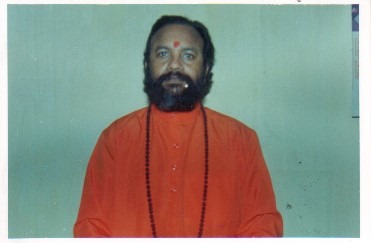
Pujya Guru Ji Maharaj - Avhigat Akhara
Guidance by Pujya Guru Ji Maharaj
“When your desire is small and selfish, you stand alone; when your desire is noble and serves others, the entire universe steps forward to assist you.”

Guru Ji advises that the highest form of desire is the desire to be free from greed. When you pray, do not bring a petty shopping list to God. Ask for wisdom, courage to uphold Dharma, and a generous heart that can wipe tears from someone eyes. When you live like this, every necessity of life is supplied before you even ask.

Preparation & Sacred Disciplines

Preparation & Sacred Disciplines

Essential guidelines, satvik habits, and sanctum preparations

01

Clarify Your Authentic Motivation

Mandatory Rule

Write down your desire on paper and honestly question why you want it. Eliminate any desire rooted in pride or envy.

02

Seek Guru Blessing & Validation

Mandatory Rule

Present your intention to your spiritual teacher to receive appropriate mantra alignment and moral grounding.

03

Acquire Consecrated Mala

Mandatory Rule

Use an authentic 108-bead tulsi, sphatik, or red sandalwood mala suited to your chosen deity.

04

Commit to Daily Hard Work

Recommended

Promise yourself that you will work with maximum diligence in your profession or studies alongside your prayer.

Practice Progression & Stages

Practice Progression & Stages

Systematic pathway from preliminary understanding to final sanctum offering

01

Sankalpa Formulation & Vow

Day 1-7

The seeker clarifies the goal, removes selfish ego elements, and makes a sacred pledge before the Guru and prayer altar.

02

Mantra Chanting & Focus

Day 8-21

Rhythmic japa begins with mala counts, stilling doubts and creating an intense magnetic focus in the subconscious mind.

03

Action & Opportunity Alignment

Day 22-35

As inner obstacles clear, unexpected practical opportunities and constructive connections begin to emerge in worldly life.

04

Manifestation & Gratitude

Day 36-41

The righteous intention reaches fruitful completion; the seeker remains humble and expresses deep gratitude to God and Guru.

05

Purnahuti & Charity Sharing

Final Day

Concluding the sadhana with a sacred havan, sharing a portion of one gains with the needy, and rededicating oneself to Dharma.

Daily Practice Discipline & Niyama

Daily Practice Discipline & Routine

Sanctum steadfastness: One Time, One Altar, and Inner Purity

Rule
Recommended

Noble Sankalpa Test

Rule
Recommended

Daily Diligent Action

Rule
Recommended

Absolute Non-Malice

Rule
Recommended

Speech Discipline (Satya Vani)

Rule
Recommended

Surrender of Results

Sacred Cautions & Safety Guidelines

Common Mistakes & Sacred Cautions

Safeguarding seekers against mispronunciation, haste, and unauthorized practices

Chanting with the malicious wish that a rival loses their business or an enemy suffers illness.

Correct Lineage Guidance: Pray solely for your own righteous success and ask God to bless all beings with peace.

Sitting in lazy daydreaming expecting money or exam success to appear magically without effort.

Correct Lineage Guidance: Treat your daily work as the physical half of your sadhana, pouring full energy into practical tasks.

Boasting that your personal spiritual powers forced the universe to obey your commands.

Correct Lineage Guidance: Bow your head in humble gratitude before God and Guru, remaining modest and generous.

Authentic Seeker Inquiries

Authentic Questions Asked by Seekers

Direct, practical answers grounded in verified tradition and authentic lineage wisdom

Can I use this sadhana to clear my competitive exams?
Yes, by helping you study with deep focus, sharp memory, and freedom from exam panic. However, you must study diligently; the mantra enhances your intellect, but cannot write the paper for you.
Can I perform this practice for the well-being of my children?
Yes, absolutely. A parent pure prayer for the health, education, and moral character of their children is one of the most powerful and auspicious forms of Sankalpa.
Frequently Asked Questions

Frequently Asked Questions

Authentic answers to common queries regarding initiation, timing, and practice

No. Authentic Sanatan spirituality does NOT provide get-rich-quick schemes. It sharpens your focus, removes mental fear, and blesses honest labor, helping you earn a dignified, peaceful livelihood over time.

YOUR SACRED NEXT STEP

Ready to Begin Manovanchit Kamna Siddhi Sadhana?

Follow the authentic Vedic and monastic path under lineage guidance before starting your practice.

Guidance Recommended

Guru Guidance & Diksha Consultation

This sacred practice requires initiation and protective mantra guidance from the authentic monastic lineage before regular practice.

Direct connection with Avhigat Akhara.
Enquiry Open

Manovanchit Kamna Siddhi Sadhana Guided Training

Learn step-by-step mantra japa, mudras, and nyasa under authentic Acharyas through our guided monastic batches.

Batch curriculum and registration dates announced periodically.
Approved Paraphernalia

Manovanchit Kamna Siddhi Sadhana Sacred Essentials

View consecrated Jap Malas, consecrated Yantras, Kusha asanas, and authentic sadhana kits approved by Avhigat Akhara.

Consecrated items energized per scriptural traditions.
View Sadhana Essentials
Sacred Sanctum Essentials

Sacred Essentials & Sanctum Items

Consecrated items traditionally used to support meditation, focus, and sanctum discipline

Tradition & Guidance Advisory

Use of Mala, Yantra, Kit or other materials can vary by practice. Follow the guidance given for your Sadhana.

Essential Checklist Before Practice
Vedic Sequence
1
1. Guidance
Guru Guidance
Consult
2
2. Mala
Consecrated Mala
View ↓
3
3. Yantra
Sanctum Yantra
View ↓
4
4. Kit
Sadhana Kit
View ↓
5
5. Asan
Pure Woolen Asan
View ↓
Mala Sacred Tool

Consecrated Haldi / Tulsi Japa Mala

108 knotted beads consecrated according to Vedic rites.

Yantra Sanctum Item

Handcrafted Copper Yantra Plate

Sacred geometric plate for sanctum meditation and focus.

Asan Daily Practice

Pure Woolen Meditation Asana

Traditional insulation mat to preserve spiritual energy.

॥ श्री गुरु चरण सरोज रज ॥

One-to-One Samasya Samadhan

Confidential Guidance

Private guidance from Guru Ji and the Akhara's guides. Choose what you need help with.