Avhigat Akhara
Traditional Ascetic Hermitage & Vedic Lineage
Preserving Eternal Sanatan Dharma and Divine Guru Parampara
Membership Contact Us
Vrat, Puja & Festivals • Mother Lakshmi & Lord Ganesha

Deepavali & Lakshmi Puja (Festival of Lights & Divine Grace)

Dīpāvalī & Mahālakṣmī Pūjā

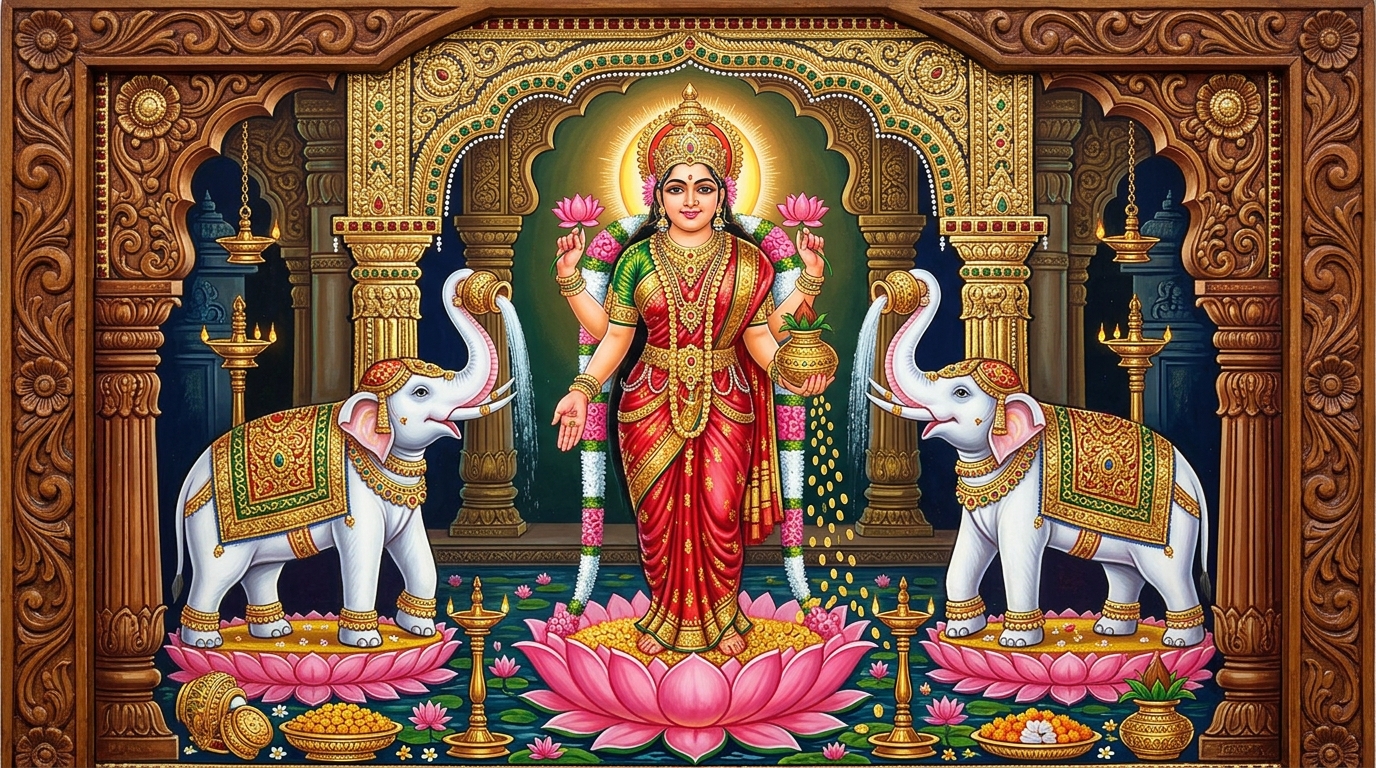
Deepavali (Diwali) is the radiant Festival of Lights celebrating the sovereign victory of spiritual light over inner ignorance, righteous truth over discord, and abundance over poverty. Anchored on the sacred moonless night of Kartika Amavasya, homes and hearts are illuminated with earthen lamps to welcome Goddess Mahalakshmi—the dispenser of divine grace, moral auspiciousness, and spiritual prosperity—alongside Lord Ganesha, the remover of inner obstacles.

16 mins chanting 0 Verses Awadhi Doha & Chaupai Text review in progress

About This Sacred Chalisa

Source Provenance

Deepavali (Diwali) is the radiant Festival of Lights celebrating the sovereign victory of spiritual light over inner ignorance, righteous truth over discord, and abundance over poverty. Anchored on the sacred moonless night of Kartika Amavasya, homes and hearts are illuminated with earthen lamps to welcome Goddess Mahalakshmi—the dispenser of divine grace, moral auspiciousness, and spiritual prosperity—alongside Lord Ganesha, the remover of inner obstacles.

Devotional Notice: This sacred Vrat, Puja, and Festival guide is presented for sincere contemplative study, selfless spiritual observance, and authentic dharmic understanding based on traditional panchang calculation and scriptural guidance. Avhigat Akhara presents authentic liturgical guides without supernatural guarantees, magical fortunes, or commercialized promises; fasting must always be voluntary and aligned with medical well-being. True spiritual fruit arises from righteous conduct (Dharma), selfless devotion (Bhakti), and inner purity.
Combined Vrat & Festival Smarta Vaishnava Sanatana Dharma
16 min reading guide
॥ AUTHENTIC PANCHANG CALENDAR TIMING ॥

2026 Observance Date & Calculation

Verified by Akhara Secretariat Asia/Kolkata
Event Date:
08 November 2026 – 08 November 2026
Lunar Tithi & Phase:
Kartika Krishna Amavasya (Pradosh Kaal & Vrishabha Sthir Lagna)
Reference Coordinates:
Delhi, India
Methodology / Tradition:
Smarta & Drik Ganita Siddhanta
Explanation of Observance Rule: Deepavali Lakshmi Puja is celebrated on the Amavasya tithi that prevails during Pradosh Kaal (dusk after local sunset). In 2026, Kartika Amavasya commences on the afternoon of November 8 and coincides with Pradosh Kaal and Vrishabha Sthir Lagna across India.
Notice for Seekers in Other Cities or Timezones:
All dates, muhurat windows, and tithi calculations displayed above are calculated specifically for the declared reference city (Delhi, India / Asia/Kolkata). If you are observing from another city, state, or country, please consult an authentic local regional Panchang or temple schedule for your local sunrise (Suryodaya) and tithi alignment. The akhara never relabels Delhi timestamps for disparate geographies.

Medical, Fasting & Safety Directives

In Sanatana Dharma, preserving bodily well-being is the primary instrument of virtue.
Fasting Principles: Devotees typically observe a day-long fast or partial fruit-and-milk diet on Kartika Amavasya until the evening Pradosh Kaal Lakshmi Puja is concluded. After offering the Mahamangal Aarti, family members partake of the blessed Mahaprasad. Fasting is purely voluntary; expectant or nursing mothers, elderly seekers, and those on medical therapies should consume nutritious meals regularly.
Medical & Safety Advisory: Fire and Home Safety: Always place earthen oil lamps on stable, heat-resistant surfaces away from curtains, synthetic loose clothing, and electrical wiring. Keep a bucket of clean water or sand accessible during lighting. If firecrackers are used in your vicinity, strictly adhere to local environmental norms, maintain safe distances, supervise children at all times, and avoid crackers near pets, infant nurseries, and seniors. Spiritual Integrity: True devotion invites inner purity; gambling, excessive commercialism, and hazardous pyrotechnics contradict the dharmic spirit of Deepavali.
Deepavali Lakshmi Puja is traditionally performed during Pradosh Kaal (approximately 2 hours and 24 minutes after local sunset) when Sthir Lagna (Vrishabha Lagna) prevails. Timings displayed correspond to the reference city (Delhi, India / Asia-Kolkata). Always check local Panchang for your specific latitude and sunset hour.

Sacred Preparation Items & Samagri Checklist

Gather these clean and sattvic articles before commencing worship.
Clean idols or sacred images of Goddess Lakshmi, Lord Ganesha, and Lord Kubera
Pure cow ghee or sesame oil with clay diyas (earthen lamps) and cotton wicks
Red or yellow silk cloth, wooden chowki (pedestal), and raw akshat (unbroken rice grains)
Fresh lotus flower, marigold garland, bilva leaves, and sacred durva grass
Panchamrita (milk, curd, honey, ghee, sugar) and clean Gangajal in a brass or copper kalash
Sandalwood paste, kumkum (vermilion), abir, gulal, betel leaves (paan), supari, and cloves
Sattvic sweets (kheer, besan laddoos), batashe (sugar puffs), kheel (puffed paddy), and seasonal fruits
Chopda (traditional account books/notebook) and silver/gold coin for ledger blessing
#1

Spiritual Meaning & Philosophy of Deepavali

Sanatana Philosophy & Smarta Tradition
दीपावली का आध्यात्मिक मर्म एवं दार्शनिक रहस्य
The Sanskrit term 'Dīpāvalī' literally translates to 'a continuous row of clay lamps'. The festival represents the awakening of self-illumination (Jnana Deepa) within the individual consciousness. Deepavali falls on the darkest night of the lunar month (Kartika Amavasya), symbolizing that even the densest gloom of ignorance, despondency, and worldly suffering can be vanquished by lighting a single steady flame of faith and truth. Goddess Mahalakshmi is greeted not with boastful luxury, but with cleanliness, inner humility, gratitude, and moral vigilance.
#2

Scriptural Origins & Sacred Lore

Puranic & Epic Traditions
पौराणिक उद्भव एवं पावन आख्यान
Scriptures recount several momentous events intersecting on this sacred tithi:
1. **Appearance of Mahalakshmi (Samudra Manthan)**: According to the Vishnu Purana and Bhagavata Purana, Goddess Lakshmi manifested from the churning of the cosmic Milk Ocean (Kshirasagara) on Kartika Amavasya, showering the cosmos with grace, beauty, and vitality.
2. **Ayodhya’s Welcome of Shri Rama**: The Valmiki Ramayana traditions celebrate the return of Lord Rama, Mother Sita, and Lakshmana to Ayodhya after completing fourteen years of exile and defeating Ravana. The citizens illuminated the entire kingdom with earthen lamps to celebrate righteous dharma.
3. **Liberation of King Bali by Lord Vamana**: The Bhagavata Purana notes Lord Vamana granting devotion and benevolence to Mahabali on the preceding days.
4. **Swami Dayananda Saraswati & Mahavira Nirvana**: Deepavali also marks the Nirvana of Bhagavan Mahavira in Jain tradition and the ascension of Maharshi Dayananda Saraswati.
#3

The Five-Day Sacred Festival Cycle (Panchotsav)

Five-Day Puranic Cycle
पंचदिवसीय दीपोत्सव चक्र (धन्वंतरि त्रयोदशी से यम द्वितीया तक)
Deepavali is celebrated as an integrated five-day festival:
- **Day 1: Dhanteras (Dhanvantari Trayodashi)**: Dedicated to Lord Dhanvantari (the celestial healer and deity of Ayurveda) praying for holistic health, and Kubera for righteous sustenance. Purchasing brass/metal vessels or gold/silver symbolizes inviting prosperity.
- **Day 2: Naraka Chaturdashi (Chhoti Diwali / Roop Chaudas)**: Commemorates the defeat of Narakasura by Lord Krishna and Satyabhama. Devotees take an auspicious pre-dawn oil bath (Abhyanga Snan) to cleanse lethargy and negativity.
- **Day 3: Deepavali & Lakshmi-Ganesha Pujan**: The pinnacle night of Kartika Amavasya devoted to Lakshmi, Ganesha, and Kubera worship, lighting clay lamps in every room.
- **Day 4: Govardhan Puja & Annakoot (Bali Pratipada)**: Honoring Lord Krishna's lifting of Mount Govardhan to shield Vrindavan’s beings from torrential deluge, celebrated with heaps of grains and vegetables (Annakoot).
- **Day 5: Bhai Dooj (Yama Dwitiya)**: Celebrating the sacred bond between brothers and sisters, recalling Yamuna welcoming her brother Yama with love and prayer.
#4

Step-by-Step Pradosh Kaal Lakshmi-Ganesh Pujan Vidhi

Smarta Ritual Procedure
प्रदोष काल श्री लक्ष्मी-गणेश पूजन की प्रामाणिक क्रमबद्ध विधि
The evening worship follows the classical Smarta Agamic sequence:
1. **Pavitrikarana & Achamana**: Sip sacred water thrice reciting Om Keshavaya Namah, Om Narayanaya Namah, Om Madhavaya Namah, sprinkling water to cleanse body and surroundings.
2. **Sankalpa**: Hold water, akshat, and a flower in the right palm, resolving to worship Goddess Lakshmi and Lord Ganesha for spiritual harmony, ethical prosperity, and family well-being.
3. **Ganesha Pujan**: Worship Lord Ganesha first with durva, red sandalwood, modak, and prayer, recognizing Him as the remover of obstacles.
4. **Kalash Sthapana & Varuna Pujan**: Revere the consecrated water pot representing the sacred cosmos and holy rivers.
5. **Mahalakshmi Avahana & Dhyana**: Meditate on Goddess Lakshmi seated upon a radiant lotus holding two lotuses in Her hands, offering Abhaya (fearlessness) and Varada (boons).
6. **Shodashopachara Offerings**: Offer Asana, Padya, Arghya, Snana (Gangajal and Panchamrita), Vastra (sacred cloth), Chandana, Kumkum, Akshat, Lotus and Marigold flowers, Dhoopa, Deepa, and Naivedya (kheel, batashe, sweets, seasonal fruits, betel nut).
7. **Kubera & Bahi-Khata (Chopda) Pujan**: Business ledgers or modern digital diaries and financial instruments are sanctified with swastika markings, praying that transactions remain truthful and beneficial.
8. **Stotra Patha & Maha Aarti**: Chant Sri Suktam or Kanakadhara Stotram; conclude with the ceremonial camphor Aarti of Mother Lakshmi and Lord Ganesha.
#5

Lighting the Earthen Lamps (Deep Daan Vidhi)

Traditional Ritual Customs
दीपदान एवं दीप-मालिका प्रज्वलन विधि
Lighting diyas on Deepavali is a sacred ritual offering (Deep Daan):
1. **The Prime Akhand Diya**: First, light a large four-wick (Choumukha) clay lamp filled with pure cow ghee or sesame oil in front of the deities. This central flame remains lit throughout the festive night.
2. **Yama Deepa**: Traditionally, a flour or clay lamp with mustard oil is lit facing south at the main doorway during Naraka Chaturdashi / Trayodashi dusk to pray for protection against untimely harm.
3. **Consecration of Clay Diyas**: Soak unglazed earthen lamps in water beforehand so they do not absorb excessive oil. Fill with mustard oil or sesame oil and arrange cotton wicks.
4. **Order of Illumination**: Light lamps in the following sacred sequence:
- Altar of Goddess Lakshmi and Lord Ganesha
- Sacred Tulsi plant in the courtyard or balcony
- Water source / kitchen and granary
- Main entrance threshold (both sides)
- Rooftops, verandas, and perimeter walls
5. **Reverence for Clay**: Earthen lamps honor mother earth and local potters (Kumhars), affirming simplicity and natural harmony over synthetic plastics.
#6

Ethical Guidelines, Fire Safety & Environmental Consciousness

Akhara Safety & Dharmic Ethics
नैतिक मर्यादाएं, अग्नि सुरक्षा एवं पर्यावरण संरक्षण
Avhigat Akhara upholds the pure dharmic principles of Deepavali, urging all seekers to maintain safety and conscience:
1. **Fire Prevention**: Keep earthen lamps on elevated masonry, trays, or terracotta platters. Never place naked flames adjacent to synthetic curtains, dry flowers, paper rangolis, or gas cylinders. Keep sand buckets and water readily available.
2. **Air Quality & Pyrotechnic Hazards**: Loud, smoke-heavy chemical firecrackers damage respiratory health, cause severe distress to animals, birds, and senior citizens, and produce toxic residue. The akhara recommends gentle, smoke-free celebrations centered on light, music, and philanthropy.
3. **Rejection of Gambling**: Folk superstitions that link compulsive card gambling with 'good luck' on Diwali night are contrary to dharmic ethics. Gambling cultivates addiction and family distress, which repels the genuine spiritual grace of Goddess Lakshmi.
4. **Seva and Social Sharing**: The highest worship of Mahalakshmi is sharing food, clothing, sweets, and assistance with less privileged families, orphans, and workers in your community.
#7

Cross-Referenced Canonical Stotras & Daily Chants

Canonical Stotra Connections
संबंधित प्रामाणिक स्तोत्र एवं नित्य पाठ
Deepavali worship is deepened when accompanied by the recitation of classical Sanskrit stotras available in the Avhigat Akhara Stotra Library:
- **Sri Suktam (Rigvedic Khila)**: The primordial Vedic invocation of divine light, fortune, and purification.
- **Kanakadhara Stotram**: Adi Shankaracharya’s sublime hymn composed to invoke Goddess Lakshmi’s compassion for a destitute woman.
- **Mahalakshmi Ashtakam**: The ancient hymn from the Padma Purana honoring the eight cosmic attributes of the Divine Mother.
- **Ganesh Chalisa & Sankata Nashana Ganesha Stotram**: Traditional invocations to dispel all inner impediments prior to Lakshmi worship.
- **Om Jai Jagdish Hare & Lakshmi Aarti**: Beloved Sanatana household aartis chanted at the conclusion of worship.

Frequently Asked Questions & Clarifications

Authoritative answers to common devotional and procedural inquiries.
Q1. Why are Lord Ganesha and Goddess Lakshmi worshipped together on Deepavali?
In Sanatana Dharma, wealth (Lakshmi) without intellect and ethical discernment (Ganesha) leads to arrogance and downfall. Lord Ganesha represents wisdom, humility, and the removal of inner obstacles, while Goddess Lakshmi represents prosperity and grace. Worshipping them together ensures that wealth earned and maintained is righteous, sattvic, and spiritually uplifting.
Q2. What is Pradosh Kaal and why is it preferred for Lakshmi Puja?
Pradosh Kaal refers to the period spanning approximately 2 hours and 24 minutes immediately following sunset. Puranic texts state that during Pradosh Kaal, particularly when an Earth (Sthir) sign like Vrishabha Lagna prevails, Goddess Lakshmi wanders the earth blessing disciplined, peaceful, and clean homes. Worshipping during this window signifies welcoming permanent spiritual and domestic stability.
Q3. Is fasting strictly mandatory on Deepavali day?
No. Fasting on Kartika Amavasya is a voluntary spiritual discipline. Many householders observe a simple fruit or milk diet during the daytime until the evening puja is concluded. Individuals with diabetes, pregnancy, elderly seekers, and children should eat regular balanced meals without any sense of religious guilt.
Q4. What is the significance of lighting 21, 51, or 101 earthen diyas?
The numbers 21, 51, or 101 symbolize completeness, auspiciousness, and spiritual abundance in Vedic numerology. However, Sanatana scriptures emphasize the devotee’s purity of feeling (Bhava) over numerical ostentation. Even a single earthen lamp lit with genuine love and awareness dispels darkness just as effectively.
Q5. Why are kheel (puffed paddy) and batashe (sugar cakes) offered on Diwali?
Kheel represents the first harvest of winter paddy (rice), making it an offering of gratitude to Mother Nature for the new grain. Batashe (sugar sweets) represent sweetness, peace, and domestic contentment. Offering the fresh harvest to the Divine Mother prior to personal consumption expresses thankfulness.
Q6. What should be done with old idols of Lakshmi and Ganesha after the new puja?
Clay idols from the previous year should be respectfully dissolved in a clean water body, home garden soil, or a clean bucket of water at home, allowing the holy earth to nourish plants. Never abandon consecrated sacred images under public trees, sidewalks, or garbage bins.
Q7. Can people living in flats or apartments observe traditional Diwali safely?
Certainly. In apartment settings, place earthen lamps on heat-safe metal trays or ceramic plates on balconies, safely distanced from air conditioner vents, clotheslines, and curtains. Use LED warm-light strings indoors if open flames pose a fire risk in windy balconies.
Q8. Does gambling during Deepavali night have any scriptural sanction?
No. The Mahabharata, Manusmriti, and Puranas unequivocally condemn gambling (Dyoota) as one of the four principal gates to moral destruction (alongside intoxicants, untruth, and violence). Genuine devotion to Goddess Lakshmi requires integrity, truthfulness, and hard-earned righteous wealth.

Recitation Guidelines & Spiritual Merits

Chanting Rules & Vidhi:
1. Cleanse and purify the prayer space; draw auspicious Swastika and Om symbols with kumkum. 2. Set up a wooden chowki draped with fresh red cloth and seat Goddess Lakshmi to the right of Lord Ganesha. 3. Establish the sacred Kalash with Gangajal, mango leaves, and a coconut wrapped in red cloth. 4. Light the prime cow ghee diya and perform Dhyana (contemplation) and Shodashopachara worship. 5. Offer lotus flower, fragrant sandalwood, akshat, Naivedya (kheel, batashe, sweets), and fresh fruits. 6. Recite Sri Suktam, Lakshmi Ashtakam, or Kanakadhara Stotram, followed by the grand Aarti and distribution of Prasad.
Spiritual Significance:
In Sanatana philosophy, Goddess Lakshmi does not merely signify material wealth; She embodies the eightfold divine auspiciousness (Ashta Lakshmi)—endurance, wisdom, valor, nourishment, offspring, wealth, victory, and spiritual liberation. Lighting diyas symbolizes igniting the soul’s inner flame of awareness (Atma-Jyoti) and dispelling inner jealousy, greed, and ego.

Authoritative Edition & Provenance Details

Avhigat Akhara Vedic Library & Source Registry
100% Quality Score Public Domain
Edition Title: Skanda Purana, Padma Purana & Sanatana Vrat Parva Vidhi — Gita Press Gorakhpur
Publisher & Year: Gita Press Gorakhpur (Code 417) / Chaukhambha Sanskrit Sansthan • 1998
Bibliographic Reference: Skanda Purana, Vaishnava Khanda; Padma Purana, Uttara Khanda; Vrat Parva Parichaya, Gita Press Gorakhpur, pp. 210-242.
This text is still being reviewed by the Akhara. If you see a mistake, please tell us.

Related Vrat & Puja Guides

View All Collection →
Vrat, Puja & Festivals Verified
Sharad Navratri & Durga Puja (Sacred Nine Nights of the Divine Mother)
शारदीय नवरात्रि एवं दुर्गा पूजा (भगवती आद्यशक्ति की पावन नव-रात्रियां)
Mother Durga & Navadurga
Vrat, Puja & Festivals Verified
Maha Shivaratri (The Great Night of Lord Shiva — Worship & Awakening)
महाशिवरात्रि (भगवान आशुतोष शिव की परम पावन महारात्रि)
Lord Shiva / Sadashiva
Vrat, Puja & Festivals Verified
Shri Krishna Janmashtami (The Advent of the Supreme Divine)
श्रीकृष्ण जन्माष्टमी (भगवान श्रीहरि विष्णु के पूर्णावतार श्रीकृष्ण का प्राकट्य उत्सव)
Lord Krishna / Sri Hari Vishnu
Vrat, Puja & Festivals Verified
Ekadashi Vrat (The Sacred Bi-Monthly Lunar Fast of Lord Vishnu)
एकादशी व्रत (श्रीहरि विष्णु की आराधना का पावन पाक्षिक उपवास)
Lord Vishnu / Sri Hari

Verified Context & Sacred Entity Links

Maa Lakshmi
Presiding Deity
Maa Lakshmi
Explore Divine Profile →
Scripture Family
Vrat, Puja & Festivals
6 verified texts in this family collection.
॥ श्री गुरु चरण सरोज रज ॥

One-to-One Samasya Samadhan

Confidential Guidance

Private guidance from Guru Ji and the Akhara's guides. Choose what you need help with.