
Dharma Sabha — Philosophical Assemblies & Saintly Councils
High philosophical inquiry, debate on Vedic ethics, and collective guidance for contemporary society.
Dharma Sabha is the classical assembly of sages, Shankaracharyas, Mahamandaleshwars, Vedic scholars, and householder seekers convened to discuss eternal spiritual truth and guide society through modern ethical dilemmas. In Avhigat Akhara, the Dharma Sabha continues the Upanishadic tradition of open, respectful philosophical debate (Shastrartha), clarifying Vedic texts and charting collective humanitarian initiatives.
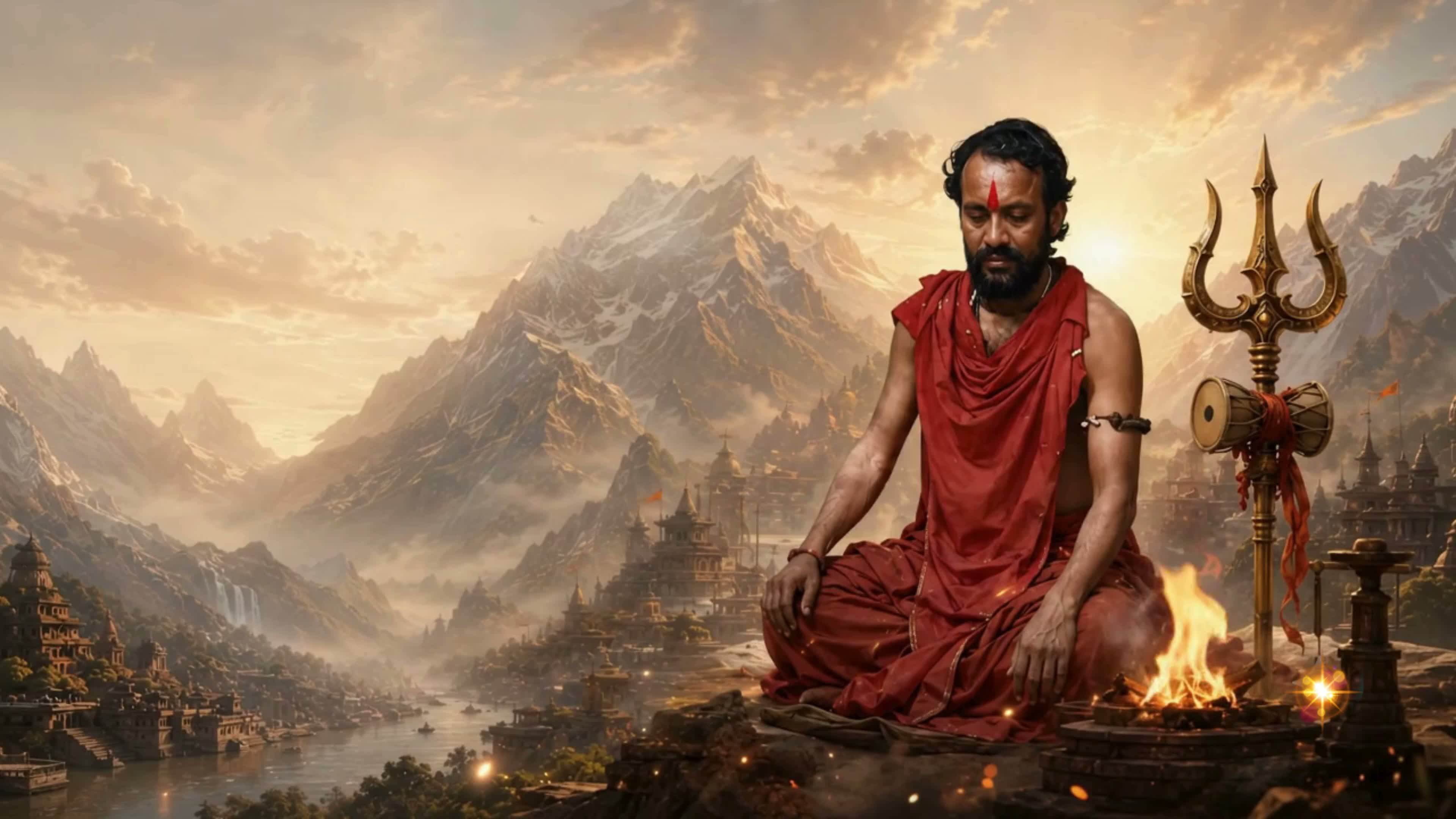
Tradition, Origin & Eternal Meaning
The Ancient Tradition of Intellectual and Spiritual Inquiry
Unlike dogmatic creeds that demand blind belief without questioning, Sanatan Dharma has always celebrated deep philosophical inquiry (Tarka and Vichara). From the legendary court of King Janaka, where sages like Yajnavalkya and Gargi debated the nature of the Supreme Reality, down through the historic assemblies convened by Adi Shankaracharya across the four corners of India, spiritual truth in Bharat has always been refined through open, respectful dialogue. A faith that cannot answer honest human questioning soon withers; a faith that welcomes deep questioning becomes a living, timeless light. The Dharma Sabha is the institutional forum where this glorious tradition remains vibrant today.
In Avhigat Akhara, the Dharma Sabha is held during major pilgrimages and annual monastic conventions. When hundreds of wandering ascetics gather in our camp, the daytime hours are dedicated to exploring eternal philosophical questions and addressing the moral challenges facing contemporary society. The assembly is not a political rally, nor is it a dry academic conference. It is a sacred gathering conducted with the dignity of an ancient council, where spiritual realization is honored above worldly degrees and wealth.
Key Pillars of Discussion in an Akhara Dharma Sabha
Each session of the Dharma Sabha centers around practical and metaphysical themes designed to guide both monastics and householders:
- Shastrartha (Philosophical Examination of Texts): Erudite scholars and sannyasis present commentaries on the Brahma Sutras, the Principal Upanishads, and the Bhagavad Gita. Diverse viewpoints—such as Advaita (Non-dualism), Vishishtadvaita (Qualified Non-dualism), and Dvaita (Dualism)—are debated with rigorous Sanskrit logic and mutual reverence, demonstrating that multiple intellectual paths lead to the same Supreme Truth.
- Sanskriti Samrakshan (Preserving Heritage and Languages): The assembly discusses practical ways to protect endangered Vedic shakhas (oral recitations), preserve sacred temple architecture, and encourage the study of Sanskrit and regional classical languages among younger generations.
- Prakriti Raksha (Environmental Protection and River Health): Long before modern ecological movements began, Sanatan councils laid down moral codes for protecting sacred rivers, cows, forests, and soil. The Dharma Sabha issues collective resolutions guiding millions of pilgrims on waste reduction, plastic elimination, and tree planting.
- Samaja Prabodhan (Ethical Guidance for Families): Householders face complex challenges today—the breakdown of family bonds, commercial greed, mental anxiety, and the neglect of aging parents. The elders of the Sabha offer compassionate, direct advice on how to raise children with spiritual values and maintain domestic peace.
The Structure and Decorum of the Council
The Dharma Sabha is presided over by a panel of venerable Acharyas and Mahamandaleshwars seated upon a raised dais behind the sacred emblem of the Akhara. Before discussions commence, the assembly chants the ancient Vedic invocation of unity from the Rigveda: "Samgachhadhvam samvadadhvam, sam vo manamsi janatam"—let us move together, let us speak with one voice, let our minds understand together in harmony.
Speakers are given fixed times to present their thoughts with clarity and restraint. Sarcasm, personal insults, and political partisanship are strictly forbidden. When differing opinions arise on scriptural interpretation, the matter is decided not by shouting or voting, but by referring back to the authoritative Vedic texts and the lived realization of the lineage elders. The resolutions adopted at the end of the council are published as guidance (Sandesh) for devotees across India and abroad.
Bridging the Gap Between Ancient Wisdom and Modern Life
Avhigat Akhara ensures that the Dharma Sabha remains accessible to common seekers. Sessions are held in simple, clear Hindi and English alongside Sanskrit citations so that college students, working professionals, and village elders can follow the discourse effortlessly. Seekers in the audience are invited to submit written questions on cards, which are read aloud and addressed directly by the presiding masters. Through this living bridge, the profound wisdom of the ancient forest sages flows directly into the modern home, offering clear guidance for living a purposeful, ethical, and fearless life.
Monastic Discipline & Public Service
Key Elements & Sacred Disciplines
Satya-Nishtha (Steadfast Dedication to Truth)
Seeking truth through reasoned inquiry, setting aside personal prejudices, sectarian bias, and social peer pressure.
Samvada (Respectful Philosophical Dialogue)
Expressing deep ideas with calm dignity and listening to opposing viewpoints with patience and intellectual humility.
Viveka (Spiritual Discrimination)
Distinguishing the permanent from the temporary, the essential from the secondary, to guide moral action in daily life.
Loka-Sangraha (Universal Social Welfare)
Channeling all intellectual and philosophical clarity into practical service that uplifts human society and protects nature.
Discipline, Eligibility & Conduct
Who May Participate?
Dharma Sabha sessions are open to all curious minds, including householders, students, researchers, and monastic followers. Attendees must be seated at least ten minutes before the opening mangalacharan. Mobile phones must be switched off or placed on silent mode. To submit a question to the panel, collect an inquiry slip from the sevadars at the hall entrance.
Camp Code of Conduct
Maintain dignified decorum throughout the proceedings. Applauding with whistles or commercial shouting is strictly prohibited; express appreciation through gentle clapping or saying "Har Har Mahadev" or "Sadhu Sadhu". Do not interrupt a speaker mid-sentence; all questions are taken during the designated inquiry period.
How You Can Offer Seva
Greeting arriving scholars, directing delegates to designated seating blocks, and assisting elderly listeners with cushioned seating.
Managing wireless microphones, adjusting sound clarity across the pandal, and monitoring live video broadcasts for remote viewers.
Handing out question cards to curious attendees, collecting and categorizing written inquiries, and distributing free booklets.
Large Dharma Sabha pavilions can seat up to five thousand people. Follow the marked pedestrian aisles, avoid standing in emergency exit corridors, and keep personal bags beneath your seat to ensure smooth crowd movement.
