
Malla-Yuddha — Vedic Wrestling & Physical Rigor
Disciplining the physical vessel through traditional red-earth wrestling, lifelong celibacy, and mental fortitude.
Malla-Yuddha is the ancient Vedic martial discipline of traditional wrestling practiced on consecrated red clay. In Avhigat Akhara, physical exercise is not an ego sport or commercial entertainment. It is a strict spiritual sadhana designed to build indomitable willpower, master sensory impulses, preserve vital life energy (ojas), and prepare the body to endure long hours of meditation and dharmic service.
Tradition, Origin & Eternal Meaning
The Sacred Philosophy of the Physical Vessel in Vedic Tradition
The ancient Upanishads boldly proclaim: "Shariram khalu dharma-sadhanam"—the physical body is the primary instrument for practicing righteousness and attaining liberation. The seers of Sanatan Dharma never treated the physical form with hatred or neglect; rather, they understood that a diseased, weak, and undisciplined body quickly becomes a prison that drags the mind down into lethargy, depression, and sensual addiction. To master the mind, one must first master the body. From this profound realization arose the tradition of the martial Akharas and the sacred science of Malla-Yuddha.
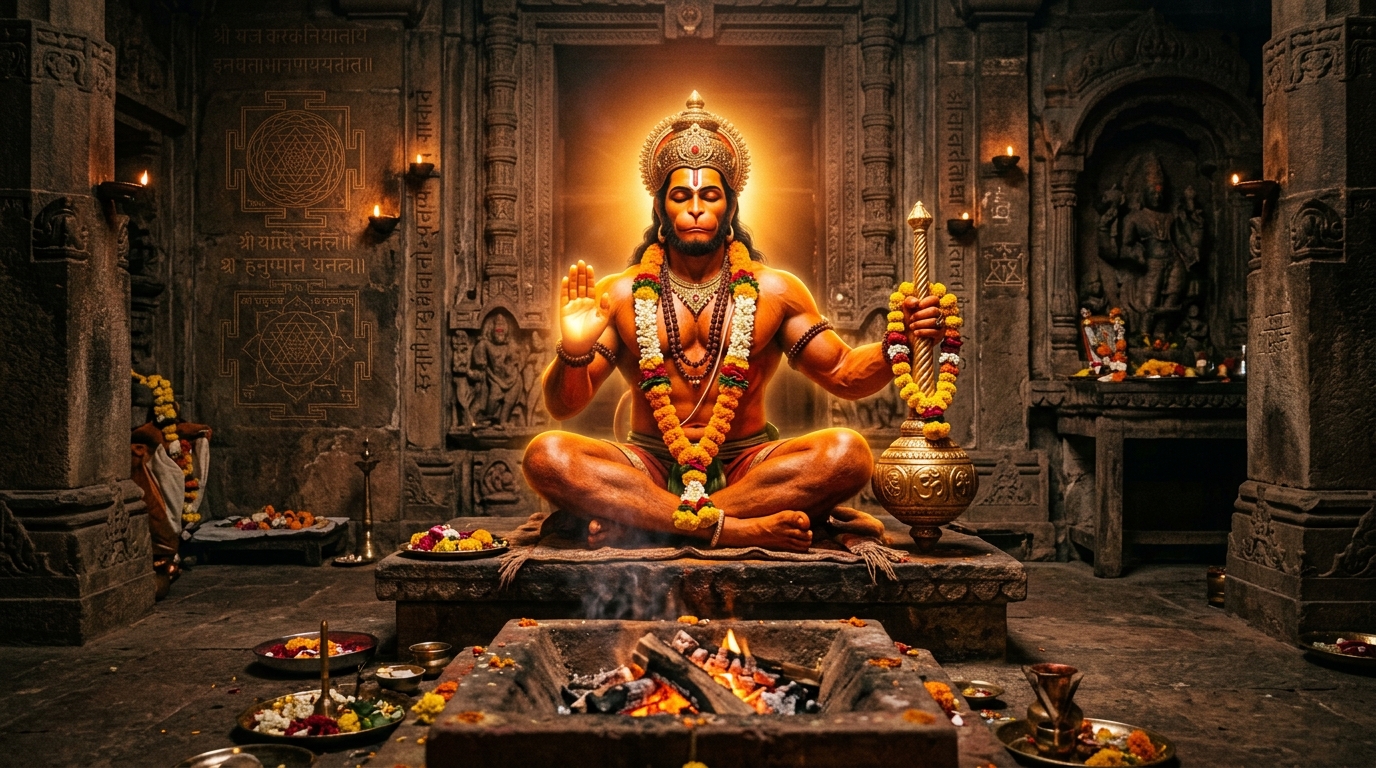
Recorded in ancient epics like the Mahabharata, where heroes like Bheema and Lord Krishna practiced wrestling as a noble art, Malla-Yuddha combines grappling, leverage, agility, breath control, and ethical restraint. In the Avhigat Akhara tradition, the wrestling pit (Akhara Mitti) is consecrated as a living temple. Before stepping foot into the soft, red earth, every wrestler bows down and touches the soil to their forehead, honoring Mother Earth and Lord Hanuman, the supreme patron of strength, humility, and celibacy.
Preparing the Sacred Wrestling Pit (Akhara Mitti)
The wrestling pit of a traditional Akhara is completely different from a modern synthetic gym mat. The clay itself is a medicinal and sacred mixture prepared with deliberate care:
- The Red Soil Base: Pure, fertile red earth is dug and sifted through fine screens to remove every pebble, thorn, and hard root.
- Herbal and Natural Nourishment: The pit is enriched with natural ingredients including fresh buttermilk, turmeric powder, mustard oil, camphor, neem leaf extracts, and crushed sandalwood. This mixture prevents bacterial growth, soothes cuts and abrasions, and softens the skin of the wrestlers during rigorous bouts.
- Daily Tilling and Blessing: Before every morning training session, the pit is aerated with a heavy wooden spade (kudali) by the wrestlers themselves. This laborious digging warms the shoulders and back muscles, teaching humility through physical service before a single wrestling grip is exchanged.
The Rigorous Daily Training of an Akhara Pehlwan
An ascetic wrestler in Avhigat Akhara follows a demanding regimen that begins long before sunrise:
- Dand and Baithak (Traditional Pushups and Squats): Practicing hundreds of traditional Surya Namaskars, Hindu pushups (dand), and deep knee bends (baithak) strengthens the joints, spine, and internal organs without heavy artificial metal machinery.
- Gada and Samtola (Mace Swinging and Log Lifting): Swinging heavy wooden and stone maces (gadas) over the shoulders develops immense grip strength, rotatory core stability, and chest capacity, echoing the heroic strength of Lord Hanuman.
- Dhar-Pakad (Sparring in the Clay): Wrestlers pair up under the watchful eye of the master (Guru/Ustad). They practice takedowns, locks, escapes, and counter-holds. Winning is never celebrated with boastful arrogance; both competitors touch each other’s feet after the bout in deep mutual reverence.
- Oil Massage and Earth Bath: After wrestling, partners take turns rubbing mustard oil into each other’s muscles and coating the body with the medicinal Akhara mud to cool internal heat and draw out toxins.
The Pillar of Brahmacharya (Celibacy and Vital Energy)
Without celibacy, Malla-Yuddha loses its soul. The Akhara teaches that the vital reproductive fluid, when preserved through pure thoughts, satvik food, and regular prayer, transforms into Ojas—a radiant subtle energy that lights up the eyes, strengthens the immune system, and grants deep peace to the brain. An Akhara wrestler eats fresh cow milk, hand-churned butter, soaked almonds, black chickpeas, and seasonal fruits, completely avoiding tobacco, spicy junk food, and impure habits. Their strength is quiet, protective, and deeply grounded in spiritual devotion.
Chivalry and Dharma: Strength Used Only to Protect
The cardinal rule of the Avhigat Akhara is that physical strength must never be used to intimidate the weak, extract wealth, or show off in public. A warrior who loses his temper has already lost the battle. True mastery means walking through the world with supreme physical power while remaining as gentle and courteous as a servant. Our wrestlers are trained to defend women, protect the poor, maintain social order during major religious gatherings, and dedicate their vigor to the glory of Sanatan Dharma.
Monastic Discipline & Public Service
Key Elements & Sacred Disciplines
Bal-Samrakshan (Preservation of Vital Energy)
Channeling physical impulses into radiant mental stamina, concentration, and deep spiritual resolve.
Mitti Vandana (Humility Before the Earth)
Bowing before the soil every morning keeps the wrestler free from the poisonous delusion of physical pride.
Nirbhayata (Disciplined Fearlessness)
Developing a courageous spirit ready to endure physical hardship and stand firmly for truth and dharma.
Satvik Ahar (Pure Nourishment)
Nourishing the body with clean, vegetarian food prepared with divine remembrance, avoiding all artificial stimulants.
Discipline, Eligibility & Conduct
Who May Participate?
Training is open to boys and men of good moral character committed to discipline, early rising, and strict celibacy (Brahmacharya) during training. Trainees wear traditional cotton langot (loincloth). Visitors wishing to observe training sessions must maintain silence, take off footwear before stepping near the pit enclosure, and dress in respectful attire.
Camp Code of Conduct
Never step into the sacred mud pit with footwear or street clothes. Touch the earth to your forehead with folded hands before stepping in. Bullying, arrogant bragging, and swearing are grounds for immediate expulsion from the Akhara. Treat your training partner as your brother in divine strength.
How You Can Offer Seva
Assisting the senior wrestlers in digging, sifting, and applying buttermilk and mustard oil to the wrestling pit every dawn.
Helping in boiling fresh cow milk, grinding almonds on traditional stone pestles (sil-batta), and serving morning diet.
Teaching basic traditional exercises (dand-baithak, surya namaskar) to visiting village youths and pilgrimage children.
Malla-Yuddha involves intense grappling and neck strength. All beginners must undergo foundational joint conditioning and tumbling training (Giraav) for at least four weeks under master supervision before attempting live sparring matches.
