Avhigat Akhara
Traditional Ascetic Hermitage & Vedic Lineage
Preserving Eternal Sanatan Dharma and Divine Guru Parampara
Membership Contact Us
Diksha, Sannyas & Marg Disciplines › Monastic Diksha Disciplines

Understanding Dakshina Marga & Vedic Sadhana

Dakshina Marga, known as the Right-Hand Path in Sanatan tradition, is the classical, radiant spiritual highway grounded in Vedic morality, temple liturgy, holy fire sacrifices (Havan), devotional chanting, and Raja Yoga. Emphasizing pure Sattva, non-injury (Ahimsa), physical cleanliness, and disciplined prayer, Dakshina Marga is universally recommended for all seekers, householders, and monastic aspirants. It offers a safe, steady, and joyous path to Self-realization without perilous occult shortcuts.

Level: Beginner
Vedic
Guru Diksha Required
Dakshina Marga: Right-Hand Vedic & Sattvic Path
Sacred Deity Sanctum Darshan Consecrated Murti
Divine Origin & Spiritual Identity

Understanding Dakshina Marga: The Royal Highway of Light

Pure Sattvic Devotion, Vedic Fire, and Mental Stillness
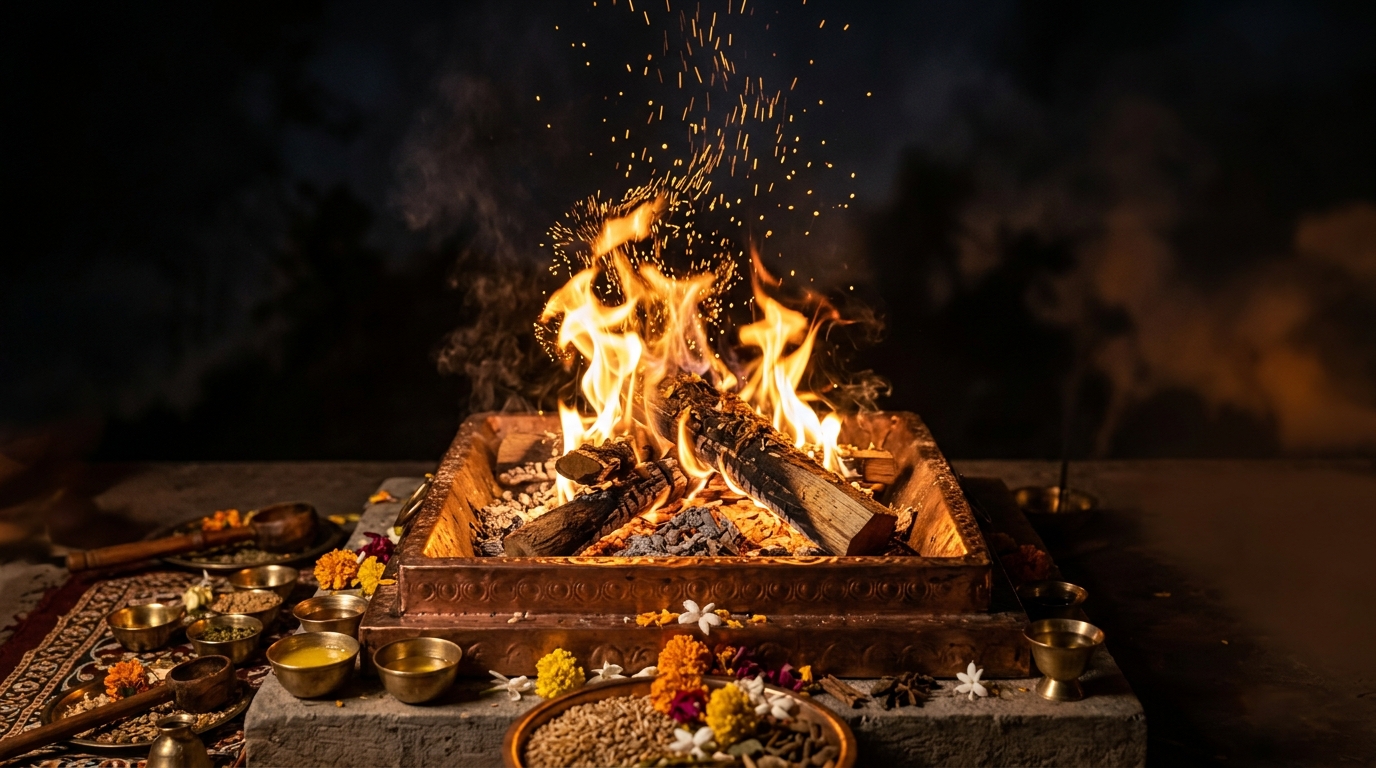
In the spiritual geography of Sanatan Dharma, Dakshina Marga represents the solar path of illumination, righteousness, and order. The word Dakshina means right-handed, auspicious, upright, and generous. While esoteric left-hand paths (Vama Marga) experiment with taboos and intense psychological hazards, Dakshina Marga walks in the clear daylight of Vedic wisdom. It builds a strong moral foundation (Yama and Niyama), purifies the physical body through clean plant-based food and pranayama, steady the mind through holy stotra chanting, and establishes communion with the Divine through Pancha Mahayajnas (five daily sacred duties). In this tradition, God is worshiped as the embodiment of supreme beauty, truth, and auspiciousness (Satyam Shivam Sundaram). The sanctified altar, the burning flame of cow ghee, the fragrant smoke of guggulu and camphor, and the recitation of Vedic suktas create an energetic environment where the practitioner subtle channels naturally open without nervous strain. The seeker cultivates four cardinal virtues: Viveka (spiritual discernment), Vairagya (healthy dispassion), Shat-sampat (sixfold mental treasures including calm, restraint, and faith), and Mumukshutva (yearning for freedom). Dakshina Marga does not require sitting in terrifying graveyards or consuming secret concoctions. It reveals that the highest divinity can be lovingly experienced in your own clean living room with a pure heart and humble prayer.
Understanding Dakshina Marga: The Royal Highway of Light
Dakshina Marga: Right-Hand Vedic & Sattvic Path
Sanctum Sacred Representation
Pure Sattvic Foundation (Sattva Shuddhi)
Vedic Fire & Mantra (Yajna Vidhana)
Universal Safety (Nirapad Marg)
Integration with Society (Dharmic Seva)
Definition & Spiritual Essence

What is Dakshina Marga: Right-Hand Vedic & Sattvic Path?

Sacred essence, spiritual foundation, and scriptural truth

Authoritative Summary (Direct Essence)

Dakshina Marga, known as the Right-Hand Path in Sanatan tradition, is the classical, radiant spiritual highway grounded in Vedic morality, temple liturgy, holy fire sacrifices (Havan), devotional chanting, and Raja Yoga. Emphasizing pure Sattva, non-injury (Ahimsa), physical cleanliness, and disciplined prayer, Dakshina Marga is universally recommended for all seekers, householders, and monastic aspirants. It offers a safe, steady, and joyous path to Self-realization without perilous occult shortcuts.

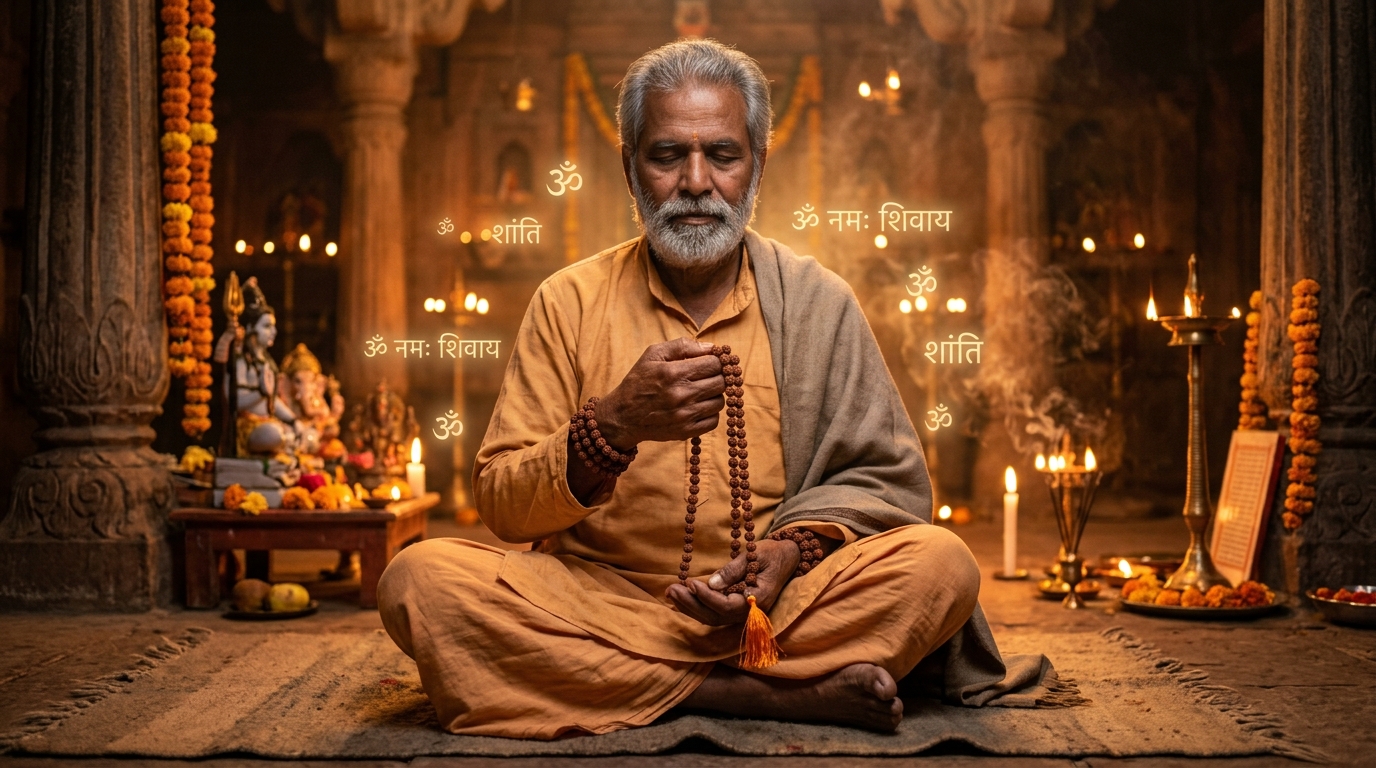
The day of a practitioner of Dakshina Marga unfolds with grace and harmony. Waking in the tranquil hours before dawn, the sadhak cleanses the body, puts on fresh cotton garments, and enters the family prayer room. The session begins with Achamana (sipping water for internal purification), lighting a pure ghee lamp, and reciting the Gayatri Mantra. The sound of the bell dispels negative subtle thought forms, and the flame reminds the mind to remain one-pointed toward truth. Following japa, the practitioner performs a short daily Pancha Yajna: offering water to the rising Sun (Surya Arghya), feeding birds or street animals (Bhuta Yajna), studying a chapter of sacred scripture (Brahma Yajna), offering mental prostrations to ancestors and parents (Pitri Yajna), and extending hospitality or kindness to a visitor (Manushya Yajna). Throughout the workday, the Dakshina Marga follower maintains ethical business practices, speaks politely, and avoids cheating or harsh speech. In the evening, the family gathers for twilight Sandhya worship, singing stotras and placing all daily results at the feet of the Lord. Because the practices are entirely public, transparent, and noble, the practitioner never feels ashamed, fearful, or defensive. The mind develops a natural, radiant cheerfulness (Prasada) that makes the sadhak a pillar of strength to friends, relatives, and neighbors. Even during intense commercial pressure or professional rivalry, the follower of the Right-Hand Path remains anchored in truth. If an opportunity arises to make quick money through corrupt bribery or deception, the sadhak rejects it immediately, knowing that wealth earned through injustice brings sickness and mental torment to future generations. They understand that real prosperity (Shri) is the fruit of dharma, peace of mind, and good health. When you return home from work with clean hands and an unburdened conscience, your sleep is deep and undisturbed. You do not suffer from the gnawing fear of being caught or exposed, because your life is an open book of daylight. This transparent integrity is the supreme psychological blessing of Dakshina Marga.
Spiritual Purpose & Inner Evolution

Why is Dakshina Marga: Right-Hand Vedic & Sattvic Path Practiced?

Core spiritual purposes, inner purification, and consciousness evolution

Mental Stillness & Focus

Daily japa and meditative contemplation calm wandering thoughts, fostering sharp inward awareness and emotional balance.

Spiritual Fortitude & Energy Balance

Authentic sacred kavacha and nyasa practices protect subtle vitality from negative inclinations, fear, and distraction.

Cultivation of Sattvic Discernment

Helps dissolve pride, resentment, and restlessness, strengthening humility, discernment, and spiritual surrender.

Inner Realization & Lineage Grace

Not an outward exhibition, but an inward journey toward self-realization sheltered under authentic monastic lineage guidance.

Tattvik Insight & Philosophy

Spiritual Significance & Philosophy

Philosophical essence and the science of internal transformation

“The significance of Dakshina Marga is that it harmonizes spiritual liberation with social order. While extreme asceticism and esoteric left-hand paths often alienate seekers from their families and civic duties, Dakshina Marga integrates seamlessly into human life. It produces devoted parents, dutiful children, honest businessmen, and compassionate leaders. Historically, the great golden ages of Indian civilization—the Vedic era, the reign of King Rama, the Gupta Empire—were powered by Dakshina Marga principles. Temples built according to this tradition became not merely places of private prayer, but epicenters of education, classical arts, music, architecture, and emergency famine relief. By walking this path, a human being achieves the four legitimate goals of life (Purusharthas): Dharma (righteousness), Artha (honest wealth), Kama (virtuous fulfillment of love), and Moksha (spiritual liberation). It is the true eternal backbone of Sanatan Dharma. In addition, practicing daily havan in the home cleanses the energetic atmosphere of the entire neighborhood. When pure cow ghee and medicinal herbs burn in the sacred fire while ancient Sanskrit mantras are chanted with proper cadence, subtle negative vibrations dissolve. Family members who breathe this sanctified air experience a noticeable reduction in irritability, anxiety, and sleeplessness. Children raised in homes where morning prayers and havan are conducted develop sharp memory, emotional stability, and spontaneous respect for life. The right-hand path creates a sanctuary of light that blesses not just one individual, but the entire community.”
Avhigat Akhara Monastic Wisdom
Seeker Eligibility & Suitability

Who is This Sadhana For?

Eligibility criteria, seeker temperament, and prerequisite guidance

Sincere Seekers

Individuals seeking daily focus, spiritual discipline, and quiet inward balance without complex rituals.

Householders

Practitioners balancing work, family, and social obligations while following a pure satvik spiritual path.

Disciplined Initiates

Dedicated practitioners who have mastered basic disciplines and wish to undertake formal anusthana under Guru Diksha.

Importance of Lineage Grace & Approval

Tantrik, Mahavidya, and advanced dhyana disciplines should not be initiated whimsically without lineage permission and proper understanding.

Seeker Discretion Notice

Who Should Take Lineage Guidance First?

Lineage Principle: Practice preserves sanctity and protects seekers when guided authentically

Dakshina Marga is completely safe and free from esoteric hazards. However, practitioners should avoid falling into dry ritual formalism where rituals become mechanical empty drills without inner love. Do not let clean living turn into arrogant self-righteousness where you look down upon less disciplined people with disgust. True purity makes the heart tender and compassionate, not cold and haughty. Also, ensure havan fires are properly ventilated in home settings to avoid smoke irritation.
Request Lineage Guidance Consultation Avhigat Akhara upholds the sacred decorum of traditional Diksha and guided practice.
Origins, Tradition & Guru Parampara

Historical Origins & Guru Parampara

Authentic scriptural foundation and unbroken monastic transmission

Traditional Origins

Dakshina Marga is the direct continuation of the Vedic Samhitas, Brahmanas, and Upanishads. It was codified in the classical Smritis and synthesized in the Bhagavad Gita by Bhagavan Krishna. Later, during the classical Puranic era, the great schools of Vaishnavism, Shaivism, and Smartism developed extensive Agamas (Pancharatra, Shaiva Siddhanta, and Vaikhanasa) establishing the exact rituals for temple consecration, murti worship, and home puja that form the lifeblood of contemporary Hindu life. Avhigat Akhara champions this pure stream.

Scriptural Authority

Taittiriya Upanishad (Shiksha Valli: Satyam Vada, Dharmam Chara), Bhagavad Gita (Chapter 17, Verses 11-13 on Sattvic Yajna), and Vishnu Purana (Book 3 on Sadachara). The Gita states: That sacrifice is Sattvic which is performed according to scriptural injunctions, with no desire for fruit, and with the firm conviction that it is a sacred duty.

Monastic Lineage Shelter

Avhigat Akhara conducts all public ceremonies, student dikshas, and ashram worship under strict Dakshina Marga guidelines. Our priests and acharyas maintain daily cow ghee havan, recite the Chandi Path and Rudrabhisheka according to Vedic svara, and train lay devotees in daily household Sandhyavandanam.
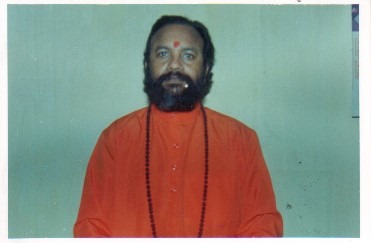
Pujya Guru Ji Maharaj - Avhigat Akhara
Guidance by Pujya Guru Ji Maharaj
“The path of light does not require dramatic tricks; it only asks that you love God with a clean heart, speak the truth, and feed the hungry.”

Guru Ji explains that people often chase complex occult secrets because their restless egos want to feel special and powerful. Dakshina Marga is for the wise soul who understands that true power is self-mastery. Lighting a simple lamp with genuine devotion and feeding a stray dog with love creates more spiritual merit than months of dangerous, ego-driven occultism. Keep your life simple, bright, and truthful.

Preparation & Sacred Disciplines

Preparation & Sacred Disciplines

Essential guidelines, satvik habits, and sanctum preparations

01

Consecrating the Puja Corner

Recommended

02

Gathering Sacred Items

Recommended

03

Bodily Cleansing & Tilak

Recommended

04

Achamana & Prana Purification

Recommended

05

Lighting the Deepa with Devotion

Recommended

06

Sankalpa of Universal Goodwill

Recommended

Practice Progression & Stages

Practice Progression & Stages

Systematic pathway from preliminary understanding to final sanctum offering

01

Stage 1: Bahya Puja (External Ritual Worship)

The seeker offers flowers, light, water, and food to the physical sacred form (Murti) with childlike love.

02

Stage 2: Japa & Stotra Path (Vocal Resonance)

The mind settles into the rhythmic recitation of sacred hymns, Sahasranamas, and the lineage Guru mantra.

03

Stage 3: Manasa Puja (Internal Contemplation)

The external ritual items are internalized; the seeker visualizes the entire cosmic worship inside the heart lotus.

04

Stage 4: Brahma Bhava (Oneness in Daily Life)

The highest realization where the sadhak sees the Supreme residing in every living soul, treating all life with reverence.

Daily Practice Discipline & Niyama

Daily Practice Discipline & Routine

Sanctum steadfastness: One Time, One Altar, and Inner Purity

Rule
Recommended

Ahimsa & Compassion

Rule
Recommended

Shaucha (Internal & External Purity)

Rule
Recommended

Daily Fire Havan (Deva Yajna)

Rule
Recommended

Reverence for Elders (Pitri Seva)

Rule
Recommended

Satya in Commerce

Rule
Recommended

Universal Well-being Prayer

Sacred Cautions & Safety Guidelines

Common Mistakes & Sacred Cautions

Safeguarding seekers against mispronunciation, haste, and unauthorized practices

Performing elaborate rituals while nursing bitter grudges against family members.

Correct Lineage Guidance: Forgive everyone before you sit before the altar. A clean heart is the only flower God accepts.

Worrying excessively over minor ritual errors or mispronunciations.

Correct Lineage Guidance: God looks at your heart sincerity (Bhava), not merely Sanskrit grammar. Chant with loving faith.

Using impure synthetic oils or adulterated ghee for the sacred lamp.

Correct Lineage Guidance: Use pure natural cow ghee or cold-pressed sesame oil from trustworthy sources.

Neglecting practical duties to your job or family while sitting at the altar for hours.

Correct Lineage Guidance: Balance prayer with efficient, diligent duty. Work is worship when done with integrity.

Boasting about how many havans, pilgrimages, or rituals you have completed.

Correct Lineage Guidance: Remain humble. All credit belongs to the grace of the Lord and the Guru lineage.

Authentic Seeker Inquiries

Authentic Questions Asked by Seekers

Direct, practical answers grounded in verified tradition and authentic lineage wisdom

What is the main difference between Dakshina Marga and Vama Marga?
Dakshina Marga is the right-hand Vedic path of moral purity, light, temple prayer, and Sattva. Vama Marga is the left-hand Tantric path that uses taboo elements and extreme methods to transmute primal passions.
Can anyone practice Dakshina Marga without secret initiation?
Yes. Chanting universal Vedic stotras, lighting an oil lamp, worshiping Lord Shiva, Rama, Krishna, or Devi, and living an honest life is open to every human being on earth without caste, gender, or national restrictions.
Why does Dakshina Marga place such immense emphasis on cow ghee in havans?
Pure cow ghee burned in sacred fire produces fine aromatic hydrocarbons, ethylene oxide, and oxygen ions that neutralize airborne bacteria and induce deep meditative calmness in the human nervous system.
Is murti worship considered idolatry in Dakshina Marga?
No. A consecrated murti is not a piece of stone; it is a sacred focal point (Pratika) through which the omnipresent, formless Divine reveals love to the human heart. Just as a photograph evokes love for your mother, a murti evokes remembrance of God.
How does regular havan protect a home from negative influences?
The combined vibrations of sacred Vedic mantras, the crackling heat of Agni, and natural medicinal herbs create a high-frequency energetic shield that dissolves stagnant depression and negative psychic thought forms.
What is the highest goal attained through Dakshina Marga?
The ultimate goal is Moksha: complete liberation from the cycle of birth and death, living in eternal divine consciousness and bliss while benefiting all creation.
Frequently Asked Questions

Frequently Asked Questions

Authentic answers to common queries regarding initiation, timing, and practice

The source inventory provided the spelling DAHSHIN MARGI. We have documented both the supplied term and the standard canonical Sanskrit transliteration Dakshina Marga for linguistic clarity and search accuracy.

YOUR SACRED NEXT STEP

Ready to Begin Dakshina Marga: Right-Hand Vedic & Sattvic Path?

Follow the authentic Vedic and monastic path under lineage guidance before starting your practice.

Guidance Recommended

Guru Guidance & Diksha Consultation

This sacred practice requires initiation and protective mantra guidance from the authentic monastic lineage before regular practice.

Direct connection with Avhigat Akhara.
Enquiry Open

Dakshina Marga: Right-Hand Vedic & Sattvic Path Guided Training

Learn step-by-step mantra japa, mudras, and nyasa under authentic Acharyas through our guided monastic batches.

Batch curriculum and registration dates announced periodically.
Approved Paraphernalia

Dakshina Marga: Right-Hand Vedic & Sattvic Path Sacred Essentials

View consecrated Jap Malas, consecrated Yantras, Kusha asanas, and authentic sadhana kits approved by Avhigat Akhara.

Consecrated items energized per scriptural traditions.
View Sadhana Essentials
Sacred Sanctum Essentials

Sacred Essentials & Sanctum Items

Consecrated items traditionally used to support meditation, focus, and sanctum discipline

Tradition & Guidance Advisory

Use of Mala, Yantra, Kit or other materials can vary by practice. Follow the guidance given for your Sadhana.

Essential Checklist Before Practice
Vedic Sequence
1
1. Guidance
Guru Guidance
Consult
2
2. Mala
Consecrated Mala
View ↓
3
3. Yantra
Sanctum Yantra
View ↓
4
4. Kit
Sadhana Kit
View ↓
5
5. Asan
Pure Woolen Asan
View ↓
Mala Sacred Tool

Consecrated Haldi / Tulsi Japa Mala

108 knotted beads consecrated according to Vedic rites.

Yantra Sanctum Item

Handcrafted Copper Yantra Plate

Sacred geometric plate for sanctum meditation and focus.

Asan Daily Practice

Pure Woolen Meditation Asana

Traditional insulation mat to preserve spiritual energy.

॥ श्री गुरु चरण सरोज रज ॥

One-to-One Samasya Samadhan

Confidential Guidance

Private guidance from Guru Ji and the Akhara's guides. Choose what you need help with.