Avhigat Akhara
Traditional Ascetic Hermitage & Vedic Lineage
Preserving Eternal Sanatan Dharma and Divine Guru Parampara
Membership Contact Us
Nav Graha & Jyotish Sadhana › Nav Graha

Lord Chandramaa Sadhana — Ruler of the Mind, Emotional Serenity & Nectar of Immortality

Lord Chandramaa Sadhana is the deeply soothing, restorative spiritual discipline dedicated to Lord Chandra (Soma), celebrated in Vedic wisdom as the divine ruler of the mind (Chandrama Manaso Jatah), the cosmic lord of vegetation, and the celestial dispenser of cooling soma nectar. Born from the mind of the cosmic being (Purusha) and churned from the ocean of milk, the Moon governs our emotional tides, psychological balance, sleep cycles, intuitive empathy, and the sacred mother archetype. In the authentic tradition of Avhigat Akhara, Chandramaa Sadhana is practiced to cool the burning agitations of modern stress, eliminate chronic insomnia, heal emotional trauma, resolve psychiatric turbulence, and awaken that tranquil inner lake of consciousness where the reflection of the Supreme Divine shines without distortion.

Level: Beginner
Vedic
Guru Diksha Required
Lord Chandramaa Sadhana (Moon Upasana)
Sacred Deity Sanctum Darshan Consecrated Murti
Divine Origin & Spiritual Identity

Who is Lord Chandramaa?

The Divine Sovereign of the Mind — Lord of Nectar, Tides, Emotional Equanimity, and Herbal Vitality
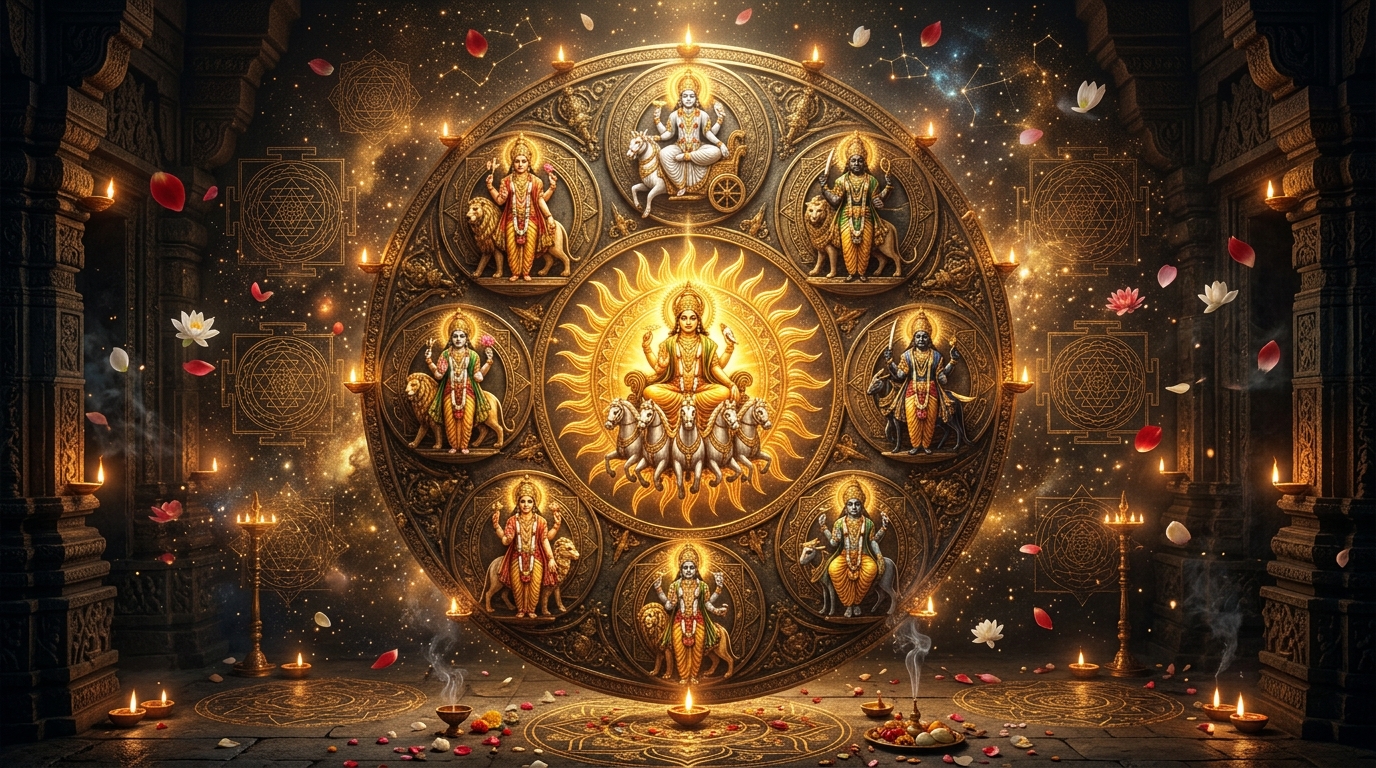
Lord Chandra, born of the great Sage Atri and Anasuya, is iconographically depicted with a dazzling pearl-white complexion, clad in pure white robes, holding a mace and lotus, riding upon a chariot drawn by ten immaculate white antelopes or white horses. In Vedic philosophy, the Moon is the Manas: the sensory and emotional faculty of the mind that processes thoughts, feelings, and memories. Just as the physical Moon exerts gravitational pull over the terrestrial oceans, creating the rhythmic ebb and flow of oceanic tides, so does the subtle Moon govern the 70% water content in human tissues, the cerebrospinal fluid, and the cyclical waxing and waning of human emotions. In human biology, the Moon rules the breasts, stomach, lymphatic system, left eye in men (right in women), and sleep cycles. When the Moon is afflicted by malefic planets (such as Rahu or Saturn), the native suffers from chronic depression, bipolar mood swings, phobias, digestive ulcers, and painful relationship with the mother. When purified through authentic Chandramaa Sadhana, the mind becomes like a calm mountain lake on a full-moon night: cool, luminous, unflappable, and capable of deep artistic intuition and spiritual samadhi.
Who is Lord Chandramaa?
Lord Chandramaa Sadhana (Moon Upasana)
Sanctum Sacred Representation
Manaso Jatah (Born from the Cosmic Mind)
The Divine Dispenser of Soma Nectar
Healer of Emotional Trauma and Insomnia
Embodiment of Motherly Love (Matritva)
Definition & Spiritual Essence

What is Lord Chandramaa Sadhana (Moon Upasana)?

Sacred essence, spiritual foundation, and scriptural truth

Authoritative Summary (Direct Essence)

Lord Chandramaa Sadhana is the deeply soothing, restorative spiritual discipline dedicated to Lord Chandra (Soma), celebrated in Vedic wisdom as the divine ruler of the mind (Chandrama Manaso Jatah), the cosmic lord of vegetation, and the celestial dispenser of cooling soma nectar. Born from the mind of the cosmic being (Purusha) and churned from the ocean of milk, the Moon governs our emotional tides, psychological balance, sleep cycles, intuitive empathy, and the sacred mother archetype. In the authentic tradition of Avhigat Akhara, Chandramaa Sadhana is practiced to cool the burning agitations of modern stress, eliminate chronic insomnia, heal emotional trauma, resolve psychiatric turbulence, and awaken that tranquil inner lake of consciousness where the reflection of the Supreme Divine shines without distortion.

What is Chandramaa Sadhana? Chandramaa Sadhana is a calming, restorative spiritual practice designed to achieve emotional stability, mental clarity, and deep peaceful sleep. In the authentic lineage of Avhigat Akhara, Chandra upasana is performed during the serene evening hours, particularly during Shukla Paksha (waxing moon) and on the night of Purnima (full moon). The practitioner sits facing Northwest (the directional quarter of the Moon) on a clean white wool or cotton mat, wearing spotless white clothing, using an authentic rosary of natural freshwater pearls (Moti), silver beads, or pure crystal quartz (Sphatik). The altar is kept serene, illuminated by a pure cow ghee lamp, and decorated with fragrant white flowers (such as white lotuses, white lilies, or jasmine), clean spring water in a silver or glass bowl, fresh cow milk, and sweet rice kheer. The practice includes chanting the Chandra Gayatri, the Someshwara Stotra, and meditating upon Lord Shiva, who wears the crescent moon (Chandrashekhara) upon his matted hair to cool the cosmic poison. Chandramaa Sadhana demands unconditional forgiveness, loving respect for one biological mother, and the cultivation of emotional honesty. When mastered, it completely dissolves anxiety attacks, balances female hormonal cycles, restores deep refreshing sleep, and fills the heart with cool, unshakeable joy.
Spiritual Purpose & Inner Evolution

Why is Lord Chandramaa Sadhana (Moon Upasana) Practiced?

Core spiritual purposes, inner purification, and consciousness evolution

Mental Stillness & Focus

Daily japa and meditative contemplation calm wandering thoughts, fostering sharp inward awareness and emotional balance.

Spiritual Fortitude & Energy Balance

Authentic sacred kavacha and nyasa practices protect subtle vitality from negative inclinations, fear, and distraction.

Cultivation of Sattvic Discernment

Helps dissolve pride, resentment, and restlessness, strengthening humility, discernment, and spiritual surrender.

Inner Realization & Lineage Grace

Not an outward exhibition, but an inward journey toward self-realization sheltered under authentic monastic lineage guidance.

Tattvik Insight & Philosophy

Spiritual Significance & Philosophy

Philosophical essence and the science of internal transformation

“The spiritual significance of Lord Chandramaa lies in his role as the great pacifier. In a world inflamed by competition, ambition, and anger, the soul easily becomes feverish and exhausted. The Moon brings the cool, silver moonlight that soothes all burns. He reminds us that peace is not found by conquering the world, but by calming the waves of the mind and resting in the presence of the Divine.”
Avhigat Akhara Monastic Wisdom
Seeker Eligibility & Suitability

Who is This Sadhana For?

Eligibility criteria, seeker temperament, and prerequisite guidance

Sincere Seekers

Individuals seeking daily focus, spiritual discipline, and quiet inward balance without complex rituals.

Householders

Practitioners balancing work, family, and social obligations while following a pure satvik spiritual path.

Disciplined Initiates

Dedicated practitioners who have mastered basic disciplines and wish to undertake formal anusthana under Guru Diksha.

Importance of Lineage Grace & Approval

Tantrik, Mahavidya, and advanced dhyana disciplines should not be initiated whimsically without lineage permission and proper understanding.

Seeker Discretion Notice

Who Should Take Lineage Guidance First?

Lineage Principle: Practice preserves sanctity and protects seekers when guided authentically

Chandramaa energy is cold, moist, and receptive. Avoid practicing this sadhana outdoors in bitter freezing cold, damp fog, or while suffering from acute bronchial congestion or pneumonia, as excess lunar energy can aggravate phlegm (Kapha). Maintain moderate diet, avoiding cold icy drinks or sour curd at night. If you experience excessive sentimental weeping, lack of motivation, or extreme lethargy, balance the practice with Surya Namaskar at dawn, drink warm saffron milk with a pinch of ginger, and consult your ashram preceptor. Essential spiritual safety protocols must be observed when practicing Lord Chandramaa Sadhana (Moon Upasana). The seeker must never attempt to approach this practice as a magical shortcut to evade moral responsibility or to inflict harm upon rivals. Authentic Sanatan scriptures clearly state that cosmic laws operate with perfect justice; any attempt to manipulate subtle energies for selfish or harmful purposes creates severe psychological agitation and karmic distress. If you experience bodily heat, restlessness, or vivid disturbed dreams, temporarily suspend intensive counting, drink warm cow milk sweetened with rock sugar, spend quiet time walking amidst trees, and consult your preceptor for guidance.
Request Lineage Guidance Consultation Avhigat Akhara upholds the sacred decorum of traditional Diksha and guided practice.
Origins, Tradition & Guru Parampara

Historical Origins & Guru Parampara

Authentic scriptural foundation and unbroken monastic transmission

Traditional Origins

The veneration of Soma is celebrated throughout the Rigveda (the entire Ninth Mandala, the Soma Mandala, containing 114 suktas, is dedicated exclusively to Soma), the Atharvaveda, the Chhandogya Upanishad, and the Shiva Purana. The celebrated Somnath Temple in Gujarat, the first of the twelve sacred Jyotirlingas, stands as a prime historical monument where Chandra was cured of his wasting disease by Lord Shiva. Avhigat Akhara has preserved ancient monastic water-gazing and lunar contemplation disciplines for centuries. In the historical development of Sanatan spiritual sciences, the discipline of Lord Chandramaa Sadhana (Moon Upasana) represents the precise convergence of internal contemplation and macrocosmic awareness. Ancient Vedic rishis observed that the human nervous system resonates intimately with celestial rhythms, seasonal shifts, and cosmic energy currents. Rather than viewing cosmic forces with fatalistic dread or passive superstition, classical Himalayan masters formulated structured contemplative methods to harmonize individual prana with the wider universal order. The archival lineages of Avhigat Akhara have safeguarded these authentic oral and written treatises across centuries, stripping away medieval superstitions and commercial distortions to reveal the deep psychological, physiological, and spiritual mechanics that allow an honest practitioner to achieve unshakeable clarity and emotional equilibrium.

Scriptural Authority

Primary scriptural authorities include the Soma Suktam of the Rigveda, the Chandra Kavacham from the Brahmanda Purana, the Chandrashekhara Ashtakam by Sage Markandeya, the Brihat Parashara Hora Shastra, and the Matsya Purana. The texts explicitly declare that worshipping Lord Shiva, who wears the crescent moon on his forehead, completely pacifies all lunar afflictions. Authoritative scriptural treatises provide extensive technical analysis regarding the philosophical foundations of Lord Chandramaa Sadhana (Moon Upasana). Classical commentaries found in the Brihat Parashara Hora Shastra, the Surya Siddhanta, and traditional Tantric Agamas explain that planetary grahas are not hostile external entities seeking to punish humans, but divine cosmic mirrors that reflect an individual soul accumulated karmic impressions. Through disciplined mantra recitation, ethical living, and sincere contemplative surrender, the practitioner purifies the psychic mirror, transforming negative emotional reactivity into serene spiritual wisdom, inner resilience, and deep philosophical insight.

Monastic Lineage Shelter

Within Avhigat Akhara, Chandramaa Sadhana is prescribed for disciples who suffer from overactive analytical minds, insomnia, or emotional burnout. The preceptors teach that meditation is impossible with a restless mind; by invoking the cooling grace of Soma, the mental lake becomes still, allowing the disciple to enter effortless deep meditation. Within the pedagogical framework of Avhigat Akhara, Lord Chandramaa Sadhana (Moon Upasana) is transmitted strictly as an experiential discipline of consciousness and self-purification. Senior preceptors emphasize that outer planetary or cosmic rituals are completely useless if the disciple continues to harbor deceit, malice, laziness, or unbridled anger in daily domestic conduct. Disciples are required to maintain a regular daily self-audit, reviewing their interactions, emotional reactions, and speech habits. By aligning outward behavior with the ethical principles taught in the hermitage, the aspirant ensures that the spiritual prana generated during japa is converted into lasting moral character, radiant mental serenity, and sincere compassionate service to all beings.
Pujya Guru Ji Maharaj - Avhigat Akhara
Guidance by Pujya Guru Ji Maharaj
“When the water of the lake is calm, the moon is seen clearly; when the thoughts of the mind are still, God is revealed in your own heart.”

My child, do not let worldly turbulence agitate your mind. The world is full of noise, but your true self is silent and deep. Take refuge in the cooling grace of Lord Chandrashekhara. Forgive those who hurt you, love your mother, and your mind will become a sanctuary of eternal peace.

Preparation & Sacred Disciplines

Preparation & Sacred Disciplines

Essential guidelines, satvik habits, and sanctum preparations

01

Northwest Space Sanctification

Recommended

Prepare a clean altar in the Northwest direction, covering a low wooden chowki in spotless white silk.

02

Silver Vessel and Pure Milk Setup

Recommended

Place a clean silver cup filled with pure water and a few drops of cow milk at the center of the altar.

03

Ghee Lamp and White Floral Tribute

Recommended

Light a brass or silver lamp with cow ghee, offering fresh white jasmine or lotus flowers before the Yantra.

04

Sphatik Mala Alignment

Recommended

Hold the pearl or sphatik mala softly at heart level, closing your eyes and feeling cooling moonbeams in the head.

05

Sankalpa of Peace & Mental Clarity

Recommended

Take water in your right palm, resolving to forgive all beings and cultivate an ocean of inner peace.

Practice Progression & Stages

Practice Progression & Stages

Systematic pathway from preliminary understanding to final sanctum offering

01

Chinta Shamana (Quelling of Anxiety)

Chronic worry, panic attacks, and restless nervousness subside into deep physical calm.

02

Nidra Siddhi (Restorative Sleep)

Insomnia and nightmares dissolve; the seeker falls asleep effortlessly and wakes refreshed.

03

Bhavana Prasada (Emotional Equanimity)

Extreme mood swings disappear; the practitioner remains calm, kind, and loving in adversity.

04

Soma Sthiti (Abiding in Ambrosial Peace)

The mind becomes a spotless mirror of pure divine consciousness, radiant and blissful.

Daily Practice Discipline & Niyama

Daily Practice Discipline & Routine

Sanctum steadfastness: One Time, One Altar, and Inner Purity

Rule
Recommended

Unwavering Service to Biological Mother

Rule
Recommended

Drinking Water from Pure Silver

Rule
Recommended

Consecrated Moti or Sphatik Mala

Rule
Recommended

Full Moon (Purnima) Contemplation

Rule
Recommended

Offering Milk to Shivalinga

Rule
Recommended

Emotional Forgiveness Practice

Rule
Recommended

Donation of Rice, Milk, and Sugar

Rule
Recommended

Gentle Speech & Compassion

Sacred Cautions & Safety Guidelines

Common Mistakes & Sacred Cautions

Safeguarding seekers against mispronunciation, haste, and unauthorized practices

Quarreling with or hurting the feelings of your biological mother while doing Chandra japa.

Correct Lineage Guidance: Ask your mother for forgiveness, speak to her with loving care, and seek her blessing.

Consuming ice-cold drinks or sour curd late at night during lunar worship.

Correct Lineage Guidance: Drink only warm milk or room-temperature water during evening contemplation.

Wearing flawed, synthetic, or cracked Pearl (Moti) gemstones.

Correct Lineage Guidance: Avoid synthetic gems; rely upon Sphatik malas, silver vessels, and sincere meditation.

Watching disturbing, violent, or anxious news right before going to bed.

Correct Lineage Guidance: Keep your bedroom a quiet sanctuary; read spiritual books or meditate before sleep.

Authentic Seeker Inquiries

Authentic Questions Asked by Seekers

Direct, practical answers grounded in verified tradition and authentic lineage wisdom

Can Chandramaa Sadhana cure severe chronic insomnia without pills?
When combined with clean sleep hygiene, silver vessel water, and evening mantra japa, Chandramaa Sadhana calms the nervous system, enabling the brain to enter natural melatonin cycles and restful sleep.
Why do full moon and new moon days cause emotional turbulence in some people?
The gravitational and electromagnetic pull of the Moon on full moon and new moon peaks, shifting fluid pressure in the body. If the nervous system is ungrounded, emotional volatility increases; sadhana converts this pull into spiritual focus.
What is the connection between Lord Shiva and the Moon?
When the Moon was cursed with a wasting disease, he surrendered to Lord Shiva. Shiva placed the crescent moon upon his forehead, transforming him into Chandrashekhara and reviving his light forever.
Frequently Asked Questions

Frequently Asked Questions

Authentic answers to common queries regarding initiation, timing, and practice

The classical Vedic mantra "Om Shram Shreem Shroum Sah Chandraya Namah" or the sacred Chandra Gayatri chanted 108 times in the evening is highly recommended.

YOUR SACRED NEXT STEP

Ready to Begin Lord Chandramaa Sadhana (Moon Upasana)?

Follow the authentic Vedic and monastic path under lineage guidance before starting your practice.

Guidance Recommended

Guru Guidance & Diksha Consultation

This sacred practice requires initiation and protective mantra guidance from the authentic monastic lineage before regular practice.

Direct connection with Avhigat Akhara.
Enquiry Open

Lord Chandramaa Sadhana (Moon Upasana) Guided Training

Learn step-by-step mantra japa, mudras, and nyasa under authentic Acharyas through our guided monastic batches.

Batch curriculum and registration dates announced periodically.
Approved Paraphernalia

Lord Chandramaa Sadhana (Moon Upasana) Sacred Essentials

View consecrated Jap Malas, consecrated Yantras, Kusha asanas, and authentic sadhana kits approved by Avhigat Akhara.

Consecrated items energized per scriptural traditions.
View Sadhana Essentials
Sacred Sanctum Essentials

Sacred Essentials & Sanctum Items

Consecrated items traditionally used to support meditation, focus, and sanctum discipline

Tradition & Guidance Advisory

Use of Mala, Yantra, Kit or other materials can vary by practice. Follow the guidance given for your Sadhana.

Essential Checklist Before Practice
Vedic Sequence
1
1. Guidance
Guru Guidance
Consult
2
2. Mala
Consecrated Mala
View ↓
3
3. Yantra
Sanctum Yantra
View ↓
4
4. Kit
Sadhana Kit
View ↓
5
5. Asan
Pure Woolen Asan
View ↓
Mala Sacred Tool

Consecrated Haldi / Tulsi Japa Mala

108 knotted beads consecrated according to Vedic rites.

Yantra Sanctum Item

Handcrafted Copper Yantra Plate

Sacred geometric plate for sanctum meditation and focus.

Asan Daily Practice

Pure Woolen Meditation Asana

Traditional insulation mat to preserve spiritual energy.

॥ श्री गुरु चरण सरोज रज ॥

One-to-One Samasya Samadhan

Confidential Guidance

Private guidance from Guru Ji and the Akhara's guides. Choose what you need help with.