
Maha Mrityunjaya Shiva Sadhana
The supreme Vedic healing and fear-dispelling discipline dedicated to Lord Shiva, restoring inner vitality, longevity, and spiritual equanimity.
Who is Mahamrityunjaya Shiva?
The Three-Eyed Lord of Liberation, Vitality & Victor over Death
Bhagwan Mahamrityunjaya is the radiant, nectar-showering form of Bhagwan Shiva revealed in the Rigveda (Mandala 7, Sukta 59). As the victor over physical, psychological, and spiritual death, Mahamrityunjaya is visualized seated in the lotus posture, holding vessels of life-restoring amrita (celestial nectar) with which He bathes the devotee, dispelling chronic ailments, premature passing, and existential dread.
The Mahamrityunjaya Mantra is one of the most potent sanjeevani mantras in Vedic literature, chanted with unbroken faith by seers and sages to nourish life-force (Pushti) and grant liberation (Moksha) with the ease of a ripe cucumber detaching naturally from its creeper.

What is Maha Mrityunjaya Sadhana?
Sacred essence, spiritual foundation, and scriptural truth
The supreme Vedic healing and fear-dispelling discipline dedicated to Lord Shiva, restoring inner vitality, longevity, and spiritual equanimity.
Maha Mrityunjaya Sadhana is one of the most venerated practices within the Sanatan Vedic tradition. Sourced from the Rigveda (Mandala 7), this profound contemplation on the Three-Eyed Lord (Tryambakam) acts as a spiritual balm for the agitated mind.
Pujya Guru Ji emphasizes that the essence of this Sadhana is not merely warding off physical distress, but severing the bonds of ignorance, worldly fear, and inner decay—just as a ripe cucumber naturally detaches from its creeper without pain.
Why is Maha Mrityunjaya Sadhana Practiced?
Core spiritual purposes, inner purification, and consciousness evolution
Mental Stillness & Focus
Daily japa and meditative contemplation calm wandering thoughts, fostering sharp inward awareness and emotional balance.
Spiritual Fortitude & Energy Balance
Authentic sacred kavacha and nyasa practices protect subtle vitality from negative inclinations, fear, and distraction.
Cultivation of Sattvic Discernment
Helps dissolve pride, resentment, and restlessness, strengthening humility, discernment, and spiritual surrender.
Inner Realization & Lineage Grace
Not an outward exhibition, but an inward journey toward self-realization sheltered under authentic monastic lineage guidance.
Spiritual Significance & Philosophy
Philosophical essence and the science of internal transformation
“The Three-Eyed Lord represents the vision of past, present, and the timeless transcendent state. Chanting connects the individual prana with cosmic life energy.”
Who is This Sadhana For?
Eligibility criteria, seeker temperament, and prerequisite guidance
Individuals seeking daily focus, spiritual discipline, and quiet inward balance without complex rituals.
Practitioners balancing work, family, and social obligations while following a pure satvik spiritual path.
Dedicated practitioners who have mastered basic disciplines and wish to undertake formal anusthana under Guru Diksha.
Importance of Lineage Grace & Approval
Tantrik, Mahavidya, and advanced dhyana disciplines should not be initiated whimsically without lineage permission and proper understanding.
Who Should Take Lineage Guidance First?
Lineage Principle: Practice preserves sanctity and protects seekers when guided authentically
Historical Origins & Guru Parampara
Authentic scriptural foundation and unbroken monastic transmission
Traditional Origins
Scriptural Authority
Monastic Lineage Shelter
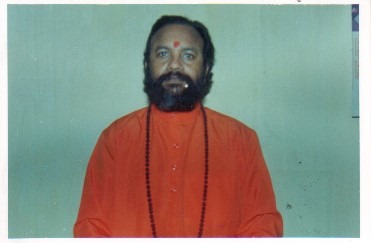
Pujya Guru Ji teaches that spiritual practice without surrender becomes mere mental gymnastics. When approached with a clean heart, reverence for the lineage, and daily discipline, this sacred vidya becomes an illuminated bridge to inner peace.
Preparation & Sacred Disciplines
Essential guidelines, satvik habits, and sanctum preparations
Use a genuine 5-Mukhi consecrated Rudraksha mala for chanting.
Mandatory RuleUse a genuine 5-Mukhi consecrated Rudraksha mala for chanting.
Keep sanctum clean with a burning cow-ghee lamp.
Mandatory RuleKeep sanctum clean with a burning cow-ghee lamp.
Observe pure vegetarian satvik diet free from onion and garlic.
Mandatory RuleObserve pure vegetarian satvik diet free from onion and garlic.
Practice Progression & Stages
Systematic pathway from preliminary understanding to final sanctum offering
Sankalpa & Vow of Haridra / Bhasma
Day 1 - 3Seek divine blessings, state your inner intention for spiritual elevation, and purify speech.
Japa Regularity on Consecrated Rudraksha
Day 4 - 11Practice prescribed rounds of the sacred mantra with steady breathing and unhurried rhythm.
Dhyana on Tryambaka Form
Day 12 - 21Meditate upon the calm, nectar-showering form of Lord Shiva seated atop Mount Kailash.
Purnahuti & Samarpan
CulminationComplete the offering with bilva patra, jalabhisheka, and offering fruits of practice to the Divine.
Daily Practice Discipline & Routine
Sanctum steadfastness: One Time, One Altar, and Inner Purity
Rudraksha Rosary Japa
Shivalinga Abhisheka with Pure Water
Common Mistakes & Sacred Cautions
Safeguarding seekers against mispronunciation, haste, and unauthorized practices
Chanting at extreme speed without feeling the meaning of the words.
Correct Lineage Guidance: Slow down. Each syllable should drop like a drop of celestial nectar.
Treating the sacred mantra as an astrological trick for quick wealth.
Correct Lineage Guidance: This is a moksha-granting vidya. Spiritual surrender produces true peace and well-being.
Authentic Questions Asked by Seekers
Direct, practical answers grounded in verified tradition and authentic lineage wisdom
Frequently Asked Questions
Authentic answers to common queries regarding initiation, timing, and practice
Yes. For personal peace and health, anyone can reverently chant this mantra. For specific high-count anushthana, receiving guidance from an Akhara elder is advised.
Related Sacred Sadhanas
Connected disciplines within this lineage and spiritual tradition

Sacred Essentials & Sanctum Items
Consecrated items traditionally used to support meditation, focus, and sanctum discipline
Use of Mala, Yantra, Kit or other materials can vary by practice. Follow the guidance given for your Sadhana.
Mahamrityunjaya Pure Sphatik Mala
Pure cooling quartz (sphatik) mala traditionally advised for Shiva Mahamrityunjaya japa.
Mahamrityunjaya Copper Yantra
Auspicious yantra placed on sanctum altar for peace and well-being.
Ask About This Sacred Item
Inquire with the sanctum team regarding consecration, authenticity, or practice usage.
